Bionic Boogie
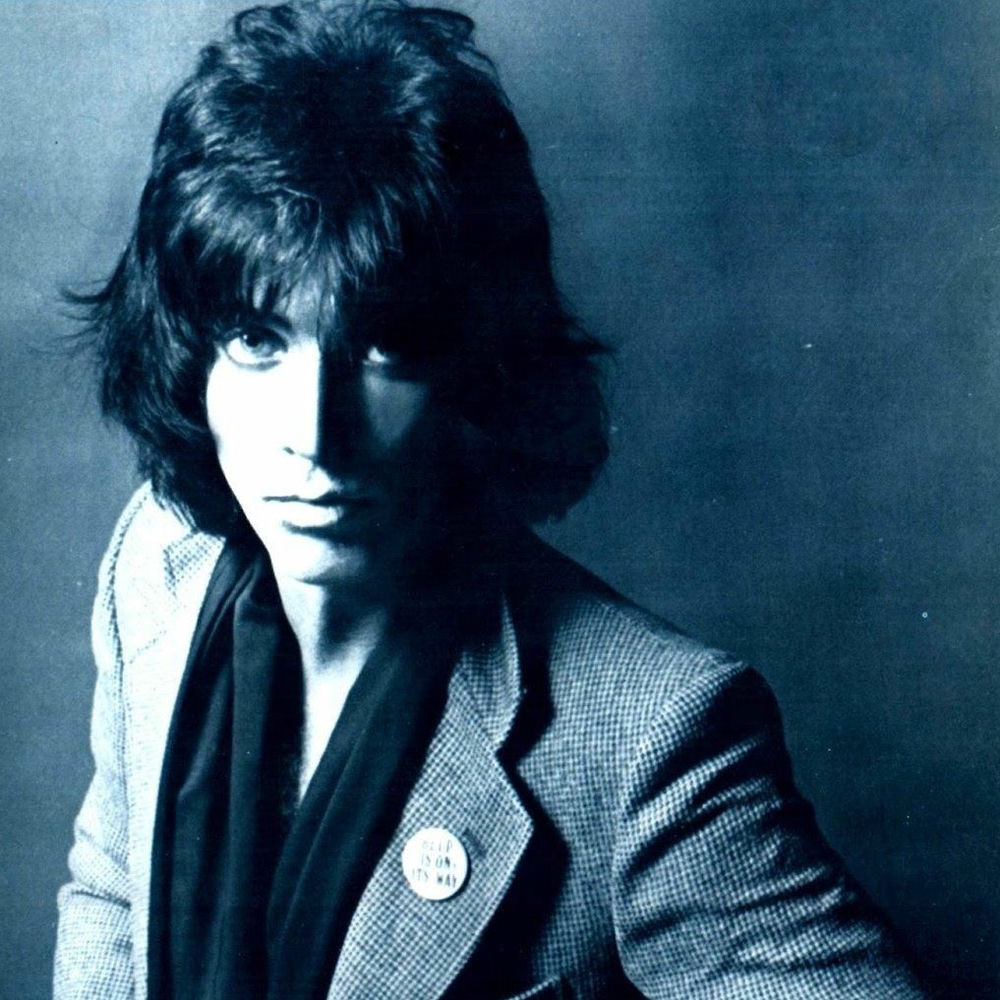
Bionic Boogie: The Pioneers of New York Disco-Funk
Bionic Boogie was an American studio group that became a vital force in the late 1970s New York disco and funk scene. The collective, formed by veteran producer Gregg Diamond, is best remembered for its innovative fusion of orchestral disco with deep funk rhythms, achieving notable chart success with several dance floor anthems.
Early career
The project was the brainchild of producer, songwriter, and arranger Gregg Diamond, who had already found success with his earlier group, Starvue. In 1977, Diamond assembled a rotating cast of top-tier New York session musicians and vocalists to create a new, more musically complex sound under the name Bionic Boogie. Their self-titled debut album was released that same year on Polydor Records, immediately establishing their signature blend of driving basslines and lush string arrangements.
Breakthrough
The group's commercial breakthrough arrived in 1978 with their second album, "Hot Butterfly," released on the Polydor imprint. The title track, "Hot Butterfly," became a massive club hit, soaring to number 15 on the Billboard Hot Soul Singles chart and cementing their status in the disco era. This success was solidified by subsequent singles that dominated dance floors, making Bionic Boogie a staple in discotheques across the United States and beyond.
Key tracks
Hot Butterfly — This soaring disco ballad was the group's biggest chart hit, showcasing their elegant blend of romantic strings and a steady four-on-the-floor beat.
Dance Little Dreamer — A later release that became an underground favorite, this track highlighted their shift towards a more electronic, synth-driven boogie sound as the 1980s began.
Risky Changes — Featured on their 1979 album "Bionic Boogie," this cut is a prime example of their tight, horn-heavy funk prowess and complex arrangements.
Flesh & Blood — This track demonstrated the project's versatility, merging soulful vocals with a relentless, percussive groove that kept dance floors packed.
The group's sound evolved with the times, moving from pure disco into the early 80s electro-funk and boogie style, as heard on their final album, 1981's "Breakdance." Gregg Diamond's production work with Bionic Boogie influenced the post-disco landscape, though the collective disbanded as musical trends shifted. Diamond continued his production career until his passing in 1999, leaving Bionic Boogie's recordings as a testament to a specific, sophisticated era of New York dance music.
Fans of Bionic Boogie's slick fusion of disco and funk should also explore the work of similar artists from the same era. Chic mastered the blend of live funk musicianship with disco sophistication. Shalamar delivered a similar mix of soulful vocals and dance-oriented production. Gap Band brought a heavier, more playful funk element to the dance floor. B.T. Express provided an earlier blueprint for extended, rhythm-focused disco instrumentals.
The music of Bionic Boogie maintains a steady rotation on dedicated classic disco and funk radio stations, particularly those focusing on the 1970s and early 1980s dance eras. Online radio streams specializing in vintage club sounds frequently feature their tracks, ensuring their grooves reach both nostalgic listeners and new audiences discovering the roots of dance music.
You can hear the dynamic sound of Bionic Boogie on radio stations featured here on onairium.com. Listeners can discover their essential disco-funk catalog through the classic dance music stations available on our platform.