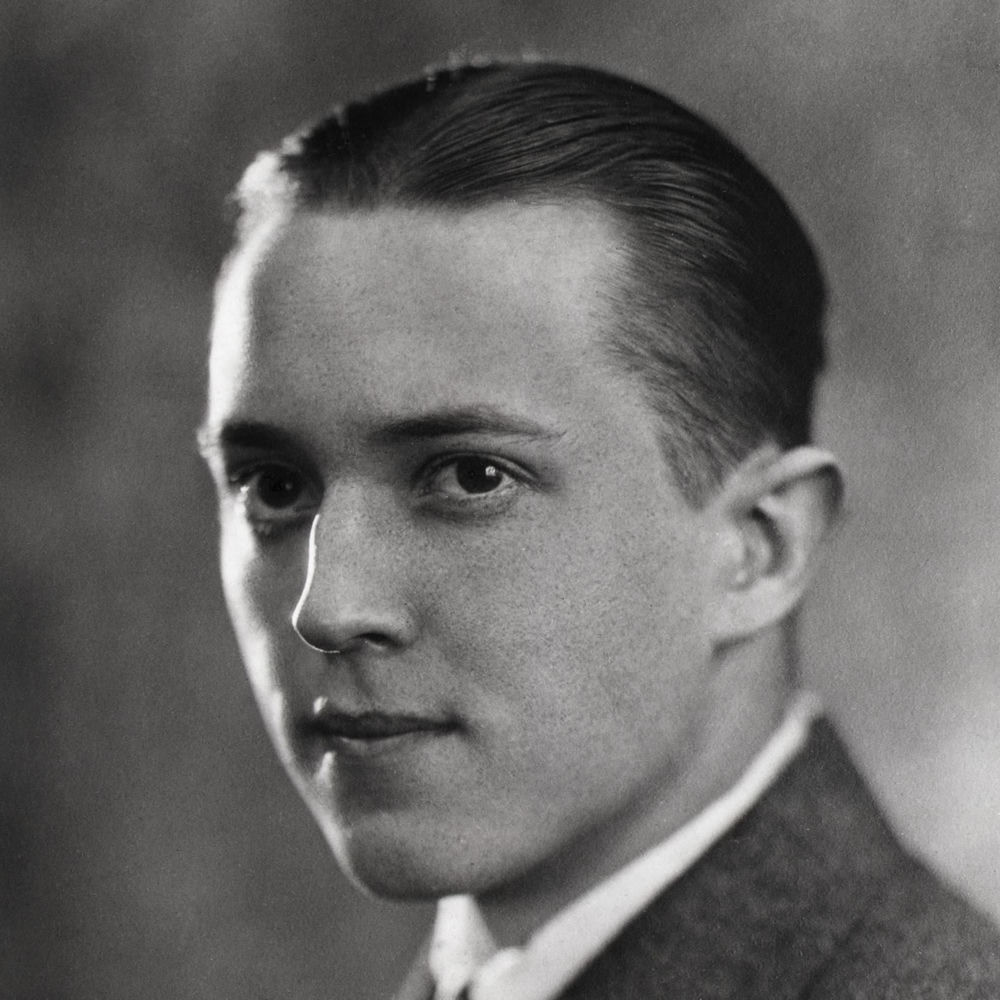

Bix Beiderbecke: The Legendary Jazz Cornetist
Bix Beiderbecke was a pioneering American jazz cornetist, pianist, and composer whose innovative style defined the 1920s jazz age. Hailing from Davenport, Iowa, his tragically brief career left a small but perfect recorded legacy that continues to influence musicians, with his 1927 recording of "Singin' the Blues" standing as a landmark in jazz history.
Early career
Born Leon Bismark Beiderbecke in 1903, he was largely self-taught, developing a unique, bell-like tone and lyrical approach distinct from the dominant style of Louis Armstrong. His early professional work began with The Wolverines in 1924, leading to his first recordings for the Gennett label that same year, capturing his fresh sound for posterity.
Breakthrough
Beiderbecke's major breakthrough came in 1927 when he joined the premier dance orchestra of the era, Jean Goldkette's band, and later the famous Paul Whiteman Orchestra. His celebrated solos on recordings with smaller groups from these bands, known as the Bix Beiderbecke and His Gang sessions for OKeh records, cemented his legendary status among musicians and aficionados.
Key tracks
Singin' the Blues — Recorded in 1927, this Frankie Trumbauer collaboration is perhaps Beiderbecke's most famous performance, showcasing his pure, singing cornet style.
I'm Coming, Virginia — This 1927 track highlights Bix's masterful use of space and melodic invention within a popular song structure.
In a Mist — An important solo piano composition by Beiderbecke, revealing his interest in Impressionist harmonies beyond traditional jazz.
Riverboat Shuffle — A lively early recording with The Wolverines that became a jazz standard and introduced his sound to a wider audience.
Davenport Blues — His own composition, recorded with his Rhythm Jugglers in 1925, which remains a classic of the Chicago jazz style.
Despite his rising fame, Beiderbecke struggled with the pressures of touring and the rigid structure of the large bands. His later years were marked by declining health, heavily impacted by alcoholism, yet he still produced moments of brilliance on records like "Georgia On My Mind" with Hoagy Carmichael. His death in 1931 at age 28 cut short a career that was just beginning to explore the fusion of jazz and classical ideas he envisioned.
Artists who share Beiderbecke's lyrical and inventive approach to early jazz include Louis Armstrong — the other foundational cornet and trumpet genius of the era who defined hot jazz. Bunny Berigan — a later trumpeter who carried the torch of Bix's lyrical, mid-register style into the swing era. Frankie Trumbauer — Beiderbecke's close collaborator on C-melody saxophone, famous for their recorded work together. Red Nichols — a fellow cornetist and bandleader whose 1920s recordings often reflected the influence of Beiderbecke's cooler sound.
Bix Beiderbecke's music maintains a constant presence on dedicated jazz radio stations, particularly those focusing on traditional and classic jazz formats. His recordings are staples on programs celebrating the origins of swing and the seminal artists of the acoustic recording age.
You can explore the timeless sound of Bix Beiderbecke on the classic jazz stations featured right here on onairium.com, where his influential cornet solos remain in regular rotation for new listeners and aficionados alike.