Björk
Listen on radio stations:

Björk: The Avant-Garde Voice of Electronic Art Pop
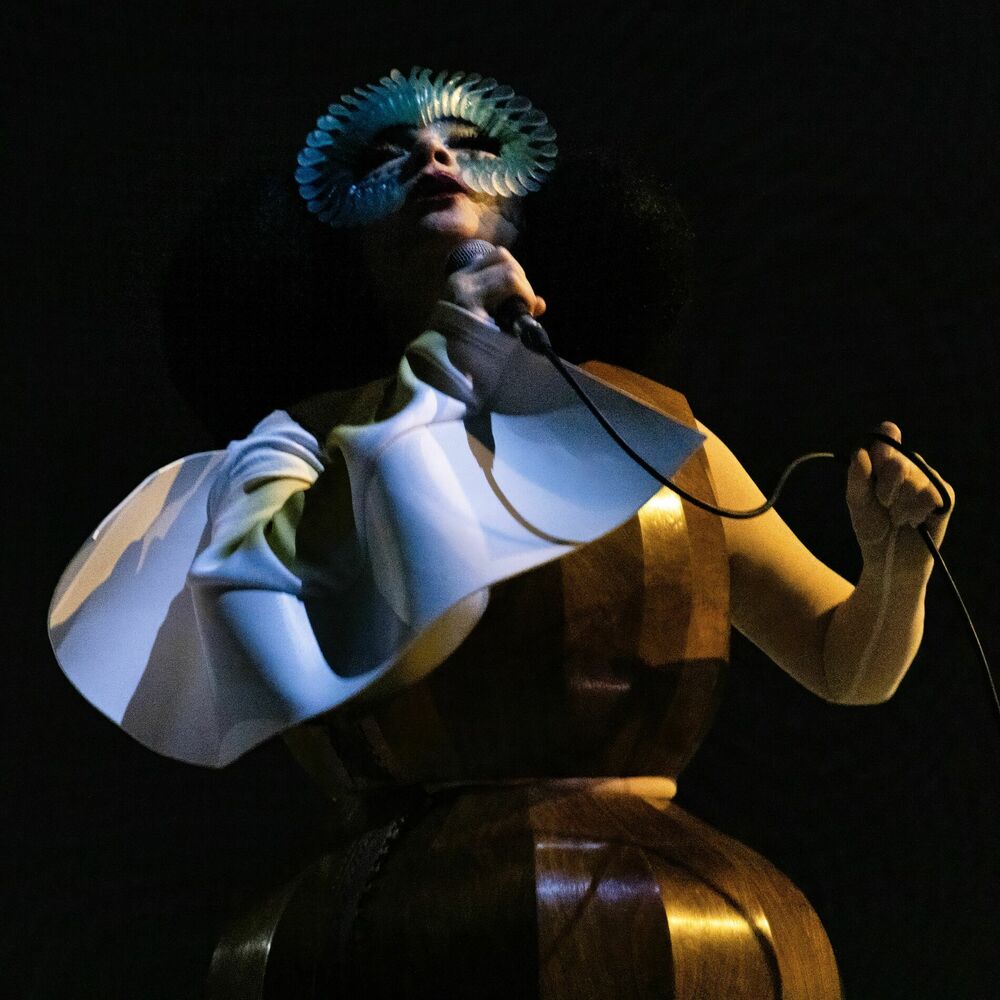
Björk is an Icelandic singer, songwriter, and producer known for her expansive, experimental approach to electronic and art pop music. Emerging from Reykjavík, she has built a catalog of critically acclaimed albums that challenge genre conventions and explore the fusion of nature, technology, and avant-garde soundscapes.
Early career
Björk Guðmundsdóttir began her musical journey as a child in Iceland, releasing a self-titled album of pop and jazz covers in 1977 at the age of 11. Her professional breakthrough in Iceland came as the lead vocalist of the alternative rock band The Sugarcubes, which formed in 1986 and gained international attention with their 1987 debut single Birthday.
Breakthrough
Björk's solo career launched globally with her 1993 album Debut, produced by Nellee Hooper. The album, blending electronic beats with jazz and pop influences, was a commercial and critical success, selling over three million copies worldwide and establishing her unique artistic voice. This was followed by the even more ambitious and influential Post in 1995, which solidified her status as a pioneering force in 1990s music.
Key tracks
Human Behaviour - The lead single from Debut introduced her distinctive vocal style and surreal, nature-themed imagery to a global audience.
Hyperballad - A standout from Post, this track exemplifies her ability to marry complex electronic production with deeply emotional and lyrical songwriting.
Jóga - From 1997's Homogenic, this orchestral-electronic ballad is a powerful ode to her homeland and a landmark in her evolving sound.
All Is Full of Love - Noted for its groundbreaking music video, this song from Homogenic represents the zenith of her concept of a lush, robotic, and emotional future.
Pagan Poetry - From 2001's Vespertine, this intricate and intimate song showcases her use of microbeats and whispered confessions.
Her subsequent albums, including Medúlla (2004) constructed almost entirely from human voices, Volta (2007), and Biophilia (2011) which merged music with app-based educational projects, continued her path of relentless innovation. Later works like Vulnicura (2015) and Utopia (2017) are deeply personal explorations of heartbreak and healing, framed within complex orchestral and flute-laden arrangements.
Listeners who appreciate Björk's boundary-pushing ethos often find common ground with the work of FKA Twigs, who similarly blends avant-garde pop with experimental production. The theatrical art pop of Kate Bush is a clear foundational influence on Björk's work. The electronic explorations of Arca, a key collaborator on Björk's later albums, also resonate with her sonic palette. Furthermore, the ambitious compositional style of Radiohead shares a similar spirit of artistic risk-taking within alternative music.
Her music is a staple on stations dedicated to alternative, electronic, and avant-garde sounds, frequently featured on eclectic mix shows and programs highlighting artistic innovation in modern music.
The diverse and evolving music of Björk remains available for discovery and listening through various radio formats that celebrate artistic experimentation.