Southern Can Is Mine
Radio Caprice - Country/Folk Blues offers a rich blend of country, folk, and blues music, creating a soulful listening experience for fans of these genres. You can listen live to carefully curated playlists that highligh…
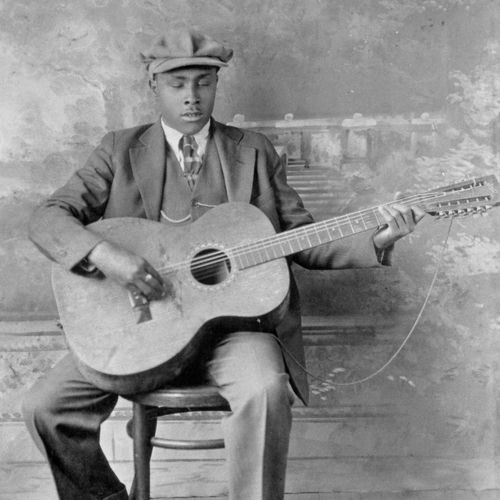
Blind Willie McTell was a masterful American blues singer and twelve-string guitar virtuoso from the state of Georgia. His prolific recording career, spanning from the late 1920s to the 1950s, left an indelible mark on the country blues genre, with songs like "Statesboro Blues" becoming foundational standards covered by countless artists.
Born William Samuel McTier in 1898 in Thomson, Georgia, he was blind from a young age and received formal musical education at schools for the blind. By the mid-1920s, he was a seasoned street performer in Atlanta, leading to his first recording session for Victor Records in 1927.
McTell's early output was remarkably diverse, recording under pseudonyms like Blind Sammie and Georgia Bill for labels including Victor, Columbia, and Okeh. His clear, melodic voice and intricate, ragtime-influenced fingerpicking on the twelve-string guitar set him apart from many of his Delta blues contemporaries.
While commercial success in the traditional sense was elusive for most pre-war bluesmen, McTell's 1928 recording of "Statesboro Blues" for Victor became his signature and most influential work. The song's rolling guitar riff and vivid lyrical imagery ensured its longevity far beyond its initial release, though it never charted in its original form.
His most famous and enduring recording session came in 1940, when folklorist John A. Lomax recorded him for the Library of Congress. These sessions captured McTell's vast repertoire, from blues and ragtime to spirituals and ballads, providing an invaluable document of his artistry.
Statesboro Blues — This 1928 recording is his most covered song, famously reinterpreted by The Allman Brothers Band and defining the Piedmont blues style.
Broke Down Engine Blues — A masterclass in metaphor and desolate atmosphere, showcasing McTell's profound lyrical depth and guitar mastery.
Death Cell Blues — Recorded in 1933, this haunting song is a powerful example of his narrative skill and emotional delivery.
Atlanta Strut — An instrumental tour-de-force that highlights his complex, danceable ragtime-influenced guitar technique.
Dying Crapshooter's Blues — A vivid, story-driven ballad from the 1940 Library of Congress sessions, illustrating his role as a musical storyteller.
McTell continued to record commercially into the 1950s, including a final session for Atlantic Records in 1956. Despite his talent, he never achieved major commercial fame during his lifetime, working often as a street performer and in small venues. He passed away in 1959 in Milledgeville, Georgia.
His legacy was cemented posthumously as the folk and blues revival of the 1960s rediscovered his catalog. The song "Statesboro Blues" became a rock anthem via The Allman Brothers Band's 1971 live version, introducing McTell to a massive new audience. Bob Dylan's 1983 song "Blind Willie McTell" further enshrined his name in popular music history.
For fans of the intricate, melodic country blues style, explore similar artists from the American blues tradition. Blind Blake was another phenomenally skilled guitarist whose ragtime-influenced Piedmont style parallels McTell's technique. Mississippi John Hurt shares a similar gentle vocal delivery and complex, fingerpicked guitar arrangements. Rev. Gary Davis was a peer and fellow twelve-string guitar virtuoso with a vast repertoire of spirituals and ragtime blues. Son House offers a contrasting, raw Delta blues power that highlights the diversity within the early blues genre.The music of Blind Willie McTell remains a staple on dedicated blues radio stations and specialty Americana programs. His recordings are frequently featured on stations focusing on roots music, classic blues formats, and historical music streams, ensuring his voice continues to reach new listeners.
You can hear the timeless Piedmont blues of Blind Willie McTell