Blixa Bargeld
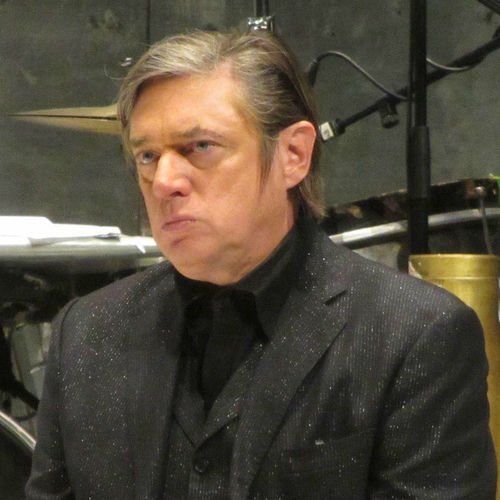
Blixa Bargeld: The Avant-Garde Architect of German Industrial Music
Blixa Bargeld is a German musician, composer, and performer who stands as a foundational pillar of the European post-punk and industrial music scenes. From his base in Berlin, he co-founded the seminal band Einstürzende Neubauten and served as a long-term guitarist for Nick Cave and the Bad Seeds, shaping the sound of alternative music for over four decades.
Early career
Born in 1959 in West Berlin, Bargeld, born Christian Emmerich, adopted his stage name in the late 1970s. His artistic journey began not with formal music training but through radical performance art and the utilization of non-instruments. In 1980, he co-founded Einstürzende Neubauten, a group that literally translated as "Collapsing New Buildings," which became infamous for constructing music from scrap metal, power tools, and custom-built apparatus.
The band's early releases, like the 1981 album Kollaps on the German label ZickZack, defined a brutal new sonic language. Their confrontational live shows, often involving the physical destruction of venues, cemented their status as pioneers of industrial music and a central force in the Berlin underground.
Breakthrough
Einstürzende Neubauten's international breakthrough accelerated in the mid-1980s through albums like Halber Mensch (1985) and tours that expanded their reach beyond Europe. A pivotal moment came in 1983 when Nick Cave invited Bargeld to join his newly formed band, The Bad Seeds. This collaboration, lasting until 2003, brought Bargeld's distinctive, textural guitar work to a wider alternative rock audience, featuring on landmark albums like Tender Prey (1988) and Let Love In (1994).
Key tracks
Yü-Gung — This driving, rhythmic track from 1985's Halber Mensch became an unlikely club hit and a defining anthem of the band's more structured, yet still visceral, phase.
Die Interimsliebenden — A later masterpiece from 2000's Silence Is Sexy, it showcases the band's evolution into nuanced, lyrical soundscapes built from atmospheric percussion and Bargeld's spoken-word poetry.
Zerstörte Zelle — A stark, early example from Kollaps that encapsulates the group's original ethos of creating music from noise, tension, and collapse.
The Weeping Song — As a Bad Seed, Bargeld's guitar work on this 1990 Nick Cave single is iconic, providing the song's haunting, melodic framework.
Throughout the 1990s and 2000s, Einstürzende Neubauten continued to innovate, releasing albums on labels like Mute and their own Potomak, and famously financing the 2002 album Perpetuum Mobile through a pioneering direct-supporter model. Bargeld also pursued numerous solo projects, sound installations, and theatrical scores, reinforcing his role as a conceptual artist. The band's enduring influence was recognized in their home country, with their 2004 album Perpetuum Mobile charting in Germany and later works like Alles in Allem (2020) receiving widespread critical acclaim.
Artists exploring similar territories of industrial experimentation and German avant-garde include KMFDM, who share a focus on mechanized rhythms and social critique. Die Krupps also helped pioneer the industrial metal genre in Germany. For the theatrical and confrontational aspect, Laibach from Slovenia presents a parallel in using music as a deconstructive force. The influence extends to later acts like Rammstein, who adopted a more accessible, stadium-ready version of industrial metal rooted in the path Neubauten forged.
Blixa Bargeld's groundbreaking work with Einstürzende Neubauten and the Bad Seeds maintains a constant