Blue Mink
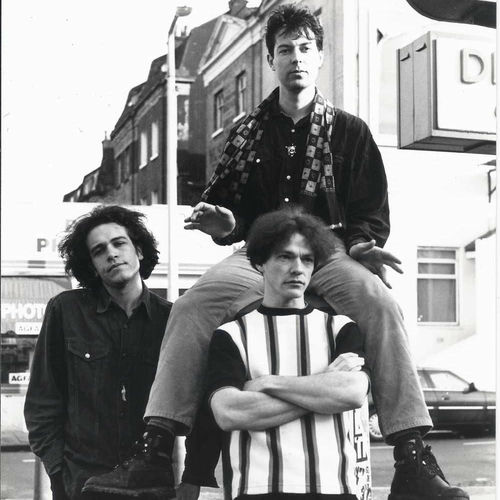
Blue Mink: The Pioneers of British Pop-Rock
Blue Mink was a vibrant British pop-rock and blue-eyed soul band that achieved significant chart success in the early 1970s. Formed by a collective of top session musicians, the group is best remembered for their infectious, socially-conscious hit singles that defined a era of crossover pop.
Early career
Blue Mink came together in 1969, a supergroup of sorts assembled from London's elite session scene. The core lineup featured vocalists Madeline Bell and Roger Cook, drummer Barry Morgan, bassist Herbie Flowers, keyboardist Roger Coulam, and guitarist Alan Parker. Their collective pedigree was immense, having already played on countless hits for other artists, which gave them immediate industry credibility.
Breakthrough
The band's debut single in late 1969, "Melting Pot", became an instant smash. Released on Philips Records, the song's catchy melody and optimistic message of racial harmony resonated widely, peaking at number three on the UK Singles Chart. This success propelled their first album, Melting Pot, establishing Blue Mink as a major new act with a distinct, polished sound.
Key tracks
Melting Pot — This debut single was their biggest hit, a defining pop anthem of its time with a memorable cookery metaphor for social integration.
Banner Man — Another major hit, this 1971 track showcased their knack for melodic, radio-friendly rock and reached number three in the UK.
Good Morning Freedom — Their second single continued their chart run, hitting number ten and cementing their upbeat, brass-driven signature style.
The Banner Man — The title track from their 1971 album demonstrated their consistent ability to craft sophisticated pop-rock with soulful vocals.
Our World — A later single from 1972, it exemplified their continued relevance on pop radio with its expansive production.
The band maintained a steady output of albums and singles throughout the early 70s, including Real Mink and Only When I Laugh. Despite numerous lineup changes, with singers like Kiki Dee briefly joining, their sound remained a blend of soulful pop and light rock. Internal tensions and shifting musical tastes led to the band's dissolution in 1974, though their recorded work left a lasting impression.
Fans of Blue Mink's accessible, session-musician-polished pop-rock may also enjoy the sounds of The Foundations, who blended soul with British pop sensibilities. White Plains operated in a similar vein of harmonious, chart-oriented pop from the same era. The sophisticated studio craft of The Alan Parsons Project shares a focus on musical excellence. For more soul-inflected vocals, Dusty Springfield remains a quintessential touchstone.
Blue Mink's catalog remains a staple on classic hits and 70s-focused FM stations, frequently featured in daytime rotations that celebrate pop history. Their upbeat tracks are perfect for retro segments on adult contemporary and oldies radio streams, ensuring their music continues to reach new generations of listeners.
You can hear the timeless pop-rock of Blue Mink regularly across various radio stations featured on onairium.com. Tune in to discover their classic hits and experience the polished sound that made them a defining act of early 1970s British music.