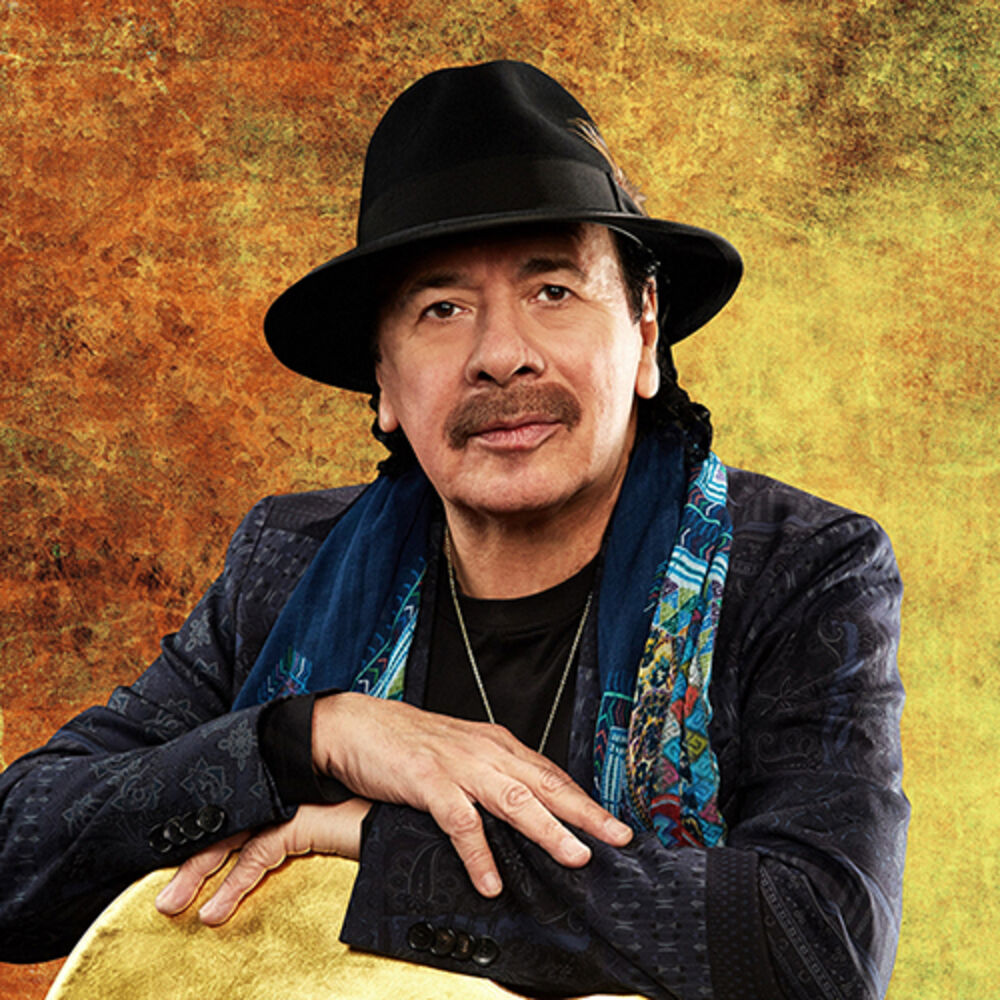


Bob Moses: The Avant-Garde Jazz Percussionist
Bob Moses is an American drummer and composer known for his innovative work in avant-garde jazz. His career, spanning over five decades, is marked by influential collaborations and a unique approach to rhythm and composition.
Early Career
Born in New York City, Bob Moses began his professional journey in the 1960s within the city's fertile jazz scene. He quickly gained recognition for his technical skill and inventive style, leading to early work with pivotal figures like pianist Roland Hanna and guitarist Pat Metheny.
Breakthrough
Moses's reputation solidified through his involvement with the Gary Burton Quartet in the early 1970s, a group celebrated for its fusion of jazz with rock and world music influences. This period established him as a forward-thinking musician capable of navigating complex compositions and free improvisation with equal mastery.
Key Tracks
Bittersweet in the Ozone - This track from his 1975 album showcases his compositional talent and the textured, layered percussion that became his signature.
Visit with the Great Spirit - A piece highlighting his spiritual and exploratory approach to jazz, often featuring expansive, atmospheric drum work.
Father Time - Exemplifies his ability to blend intricate rhythms with melodic sensibility, a staple of his solo and collaborative output.
Throughout the 1980s and beyond, Bob Moses led his own groups, including the band Mozown, and continued to record albums that defied easy categorization. His work often incorporates elements of world music, funk, and free jazz, maintaining a consistent focus on rhythmic exploration and ensemble interplay. As an educator, he has also influenced subsequent generations of drummers.
Listeners who appreciate the adventurous textures of Bob Moses may also enjoy the work of Pat Metheny for shared harmonic innovation. The exploratory spirit of Gary Burton aligns with Moses's fusion pursuits, while the compositional depth of Roland Hanna reflects a similar artistic seriousness. The rhythmic complexity found in the music of Oregon also offers a parallel listening experience.