Boney M
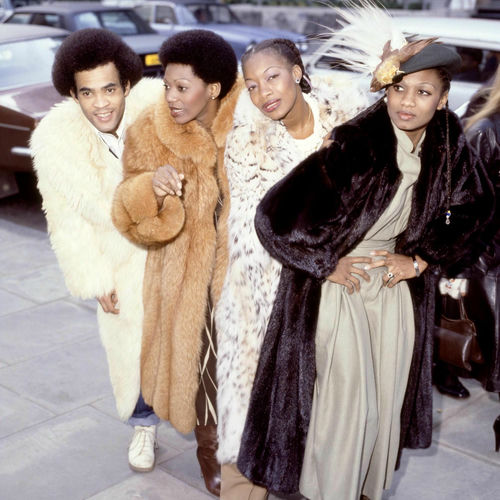
Boney M: The Disco and Europop Phenomenon
Boney M. is a legendary German-based vocal group that became one of the defining acts of the 1970s disco and pop era. Hailing from West Germany, the ensemble achieved global superstardom, selling over 150 million records worldwide and scoring a string of unforgettable international hits.
Early career
Boney M. was the brainchild of German producer and songwriter Frank Farian, who formed the group in 1975. The original lineup featured four Caribbean-born performers living in London: singers Marcia Barrett, Liz Mitchell, and Maizie Williams, alongside male dancer and occasional vocalist Bobby Farrell.
Farian initially recorded the single "Baby Do You Wanna Bump" under the Boney M. name, featuring his own vocals. The song became a club hit in the Benelux region, prompting Farian to assemble the visual group to perform the music live, creating a unique producer-fronted act model.
Breakthrough
The group's major international breakthrough came in 1976 with the single "Daddy Cool". Released on Hansa Records, the song topped the charts in numerous European countries and became a UK number one, establishing their signature blend of disco rhythms, catchy melodies, and glamorous stage presence.
This success was solidified by their 1978 album Nightflight to Venus, which spawned the global mega-hit "Rivers of Babylon" / "Brown Girl in the Ring". The album reached number one in the UK and was certified Platinum, cementing their status as pop icons.
Key tracks
Daddy Cool — This 1976 smash was the group's first UK number one and defined their infectious, dance-floor ready Euro-disco sound.
Rivers of Babylon — A reggae-infused adaptation of a Jamaican gospel song, it became one of 1978's best-selling singles globally, showcasing their versatile appeal.
Ma Baker — This 1977 hit, with its dramatic story of a gangster matriarch, exemplified Farian's talent for crafting disco-pop narratives with massive hooks.
Rasputin — A disco-folk epic about the infamous Russian mystic, it became a signature track and has enjoyed a massive resurgence in popularity through digital platforms.
Sunny — Their 1976 upbeat disco cover of the Bobby Hebb classic demonstrated their ability to reinterpret songs into dance anthems.
The late 1970s represented the peak of "Boney Mania," with the group dominating charts across Europe, Australia, and beyond. Their success continued into the early 1980s with albums like Boonoonoonoos and hits like "Hooray! Hooray! It's a Holi-Holiday."
Internal changes occurred as producer Frank Farian remained the driving musical force, and the lineup saw shifts, most notably with singer Liz Mitchell's departure and return. The group's chart dominance waned as the disco era faded, but their classic hits endured.
Boney M.'s legacy is that of a quintessential Euro-disco act, a producer-led project that achieved phenomenal commercial success. Their music, a fusion of disco, pop, reggae, and calypso, created a unique and timeless party soundtrack. Artists with a similar foundational blend of European pop sensibility and dance rhythms include Modern Talking, another hugely successful German duo from the 1980s created by a prolific producer. The camp, theatrical side of their performance finds a relative in Village People, the American disco group built around character costumes. For the pure, unadulterated disco pulse behind their biggest hits, listen to Donna Summer, the genre's undisputed queen. The later Eurodance wave also owes a debt to their model, heard in acts like Aqua.
The timeless disco and pop anthems of Boney M. remain a staple on classic hits and 70s retro radio stations featured on this website. Their high-energy tracks are regularly featured in dedicated disco programming and weekend throwback mixes across numerous online radio streams.
You can hear the iconic music of Boney M. on radio stations featured on our website. Listeners can discover their classic hits and experience the disco phenomenon through a variety of radio stations available on onairium.com.