Buxtehude
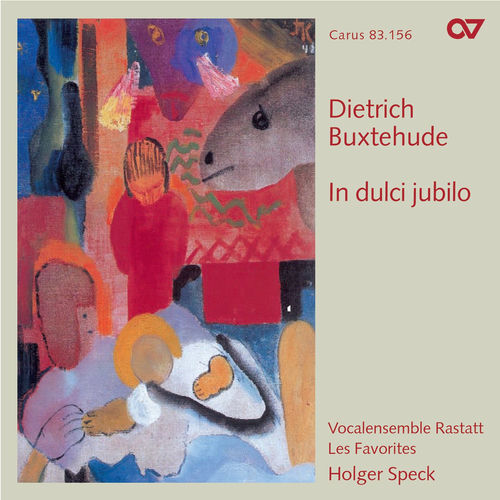
Buxtehude: The Baroque Organ Virtuoso
Dieterich Buxtehude was a German-Danish composer and organist of the Baroque era, primarily active in the Hanseatic city of Lübeck. His innovative sacred and instrumental works, particularly for the organ, established a North German style that directly influenced later masters like Johann Sebastian Bach.
Early career
Born around 1637 in what is now Bad Oldesloe, Buxtehude's early musical training likely came from his father, an organist. His professional career began in earnest with his appointment as organist at the Marienkirche in Lübeck in 1668, a prestigious post he held for nearly 40 years until his death in 1707.
Breakthrough
While 17th-century fame differed from modern chart success, Buxtehude's reputation was solidified through his creation of the Abendmusiken, a celebrated series of public evening concerts in Lübeck. These events, featuring his large-scale sacred vocal works, attracted musicians and audiences from across Europe, making the city a major musical destination.
Key tracks
Membra Jesu Nostri — This cycle of seven cantatas is a landmark of early Lutheran sacred music, admired for its profound devotional expression and structural innovation.
Praeludium in G minor, BuxWV 163 — A quintessential example of his organ style, showcasing the dramatic, free-form "stylus phantasticus" that would captivate the young Bach.
Jubilate Domino, BuxWV 64 — A brilliant and festive sacred concerto that highlights his mastery of vocal-instrumental writing and contrapuntal energy.
Nun freut euch, lieben Christen g'mein, BuxWV 210 — This chorale fantasia demonstrates his genius in elaborating Lutheran hymn tunes with intricate organ figuration.
His prolific output, though not released on "albums" in his time, includes over 100 vocal works and a seminal body of organ music that became foundational repertoire. The legend of Bach's long pilgrimage on foot to hear Buxtehude in 1705 underscores his towering status among contemporaries.
For listeners of Buxtehude, the intricate counterpoint and dramatic organ works of Johann Sebastian Bach represent the most direct lineage. The sacred vocal intensity of Heinrich Schütz, an earlier German master, provides crucial context. Explore the North German organ tradition further with Johann Adam Reincken, a colleague and influence on Buxtehude's development.Buxtehude's music remains a staple on classical radio stations specializing in early music and Baroque programming. His organ preludes and sacred cantatas are frequently featured on dedicated FM broadcasts and online streams that explore the foundations of Western classical music.
You can hear the majestic music of Dieterich Buxtehude on the classical and Baroque radio stations featured here. Explore the stations available on onairium.com to discover his influential works within the rich tapestry of German Baroque music.