
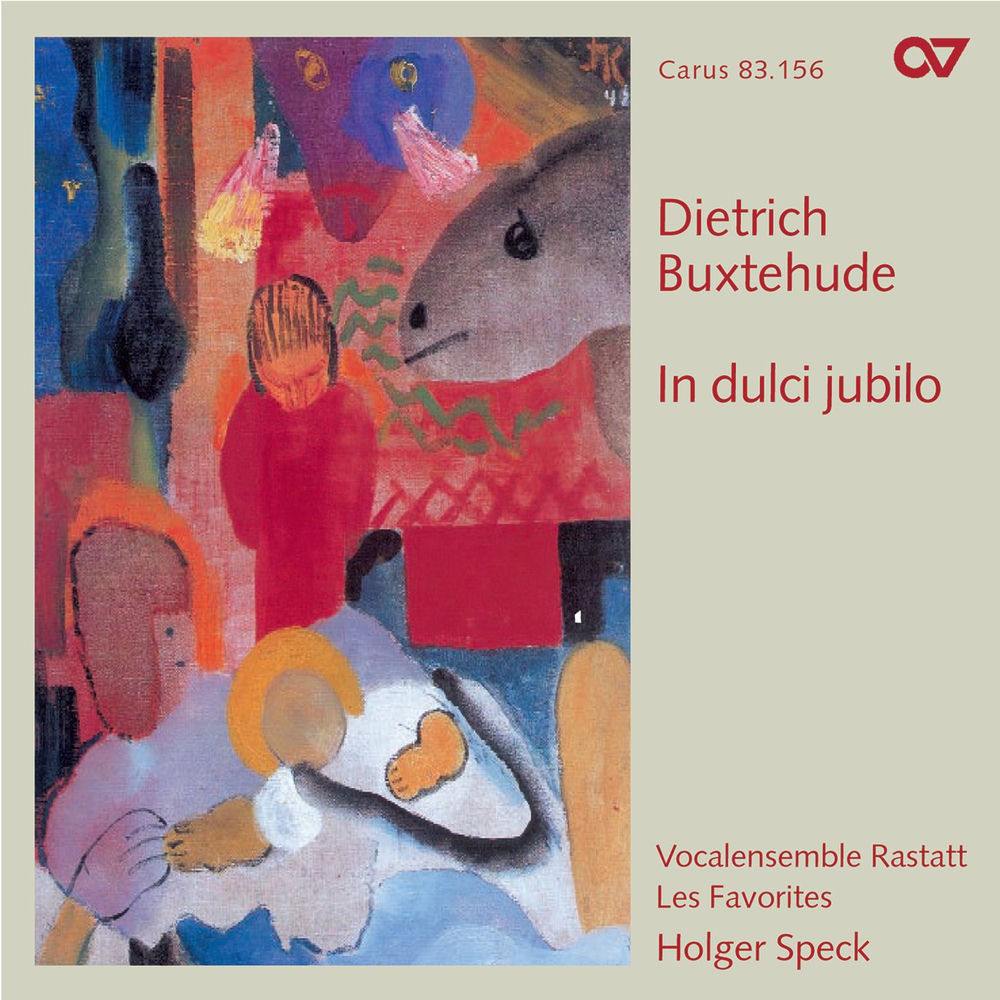
Buxtehude
Buxtehude: The Baroque Organ Virtuoso
Dieterich Buxtehude was a Danish-German composer and organist of the Baroque era. His profound influence on the North German organ school and his innovative vocal works cemented his legacy as a central figure in 17th-century music.
Early career
Born around 1637 in what is now Denmark, Buxtehude's early musical training came from his father, an organist. His professional career began in earnest with his appointment as organist at the Marienkirche in Lübeck in 1668, a prestigious post he would hold for nearly forty years.
Breakthrough
While not a "breakthrough" in the modern commercial sense, Buxtehude's establishment of the Abendmusiken concert series in Lübeck marked his rise to international fame. These evening concerts, featuring large-scale sacred vocal and instrumental music, attracted musicians and audiences from across Europe, including a young Johann Sebastian Bach.
Key tracks
Membra Jesu Nostri — This cycle of seven cantatas is a landmark work, considered one of the first oratorios and a masterpiece of devotional Lutheran music.
Praeludium in G minor, BuxWV 163 — A quintessential example of his virtuosic organ style, showcasing the dramatic, free-form preludes that influenced generations.
Jubilate Domino, BuxWV 64 — This vibrant sacred concerto highlights his skill in blending Italianate vocal flair with German contrapuntal rigor.
Nun freut euch, lieben Christen g'mein, BuxWV 210 — A brilliant chorale fantasia demonstrating his transformative approach to Lutheran hymn tunes on the organ.
Buxtehude's output was almost entirely published posthumously, circulating widely in manuscript copies among musicians. His primary "label" was the church itself, with his music serving liturgical and concert purposes in Lübeck. His reputation was built not on sales, but on the pilgrimage other composers made to learn from him.
His extensive catalogue includes over 100 organ works, numerous sacred cantatas, and chamber sonatas. The stylistic bridge he formed between the earlier North German style and the high Baroque of Bach and Handel is his most significant achievement. Though he never wrote an opera, the dramatic intensity in his vocal writing prefigures the later Baroque period.
For listeners exploring the foundations of Baroque music, similar artists include Johann Sebastian Bach who famously walked great distances to hear Buxtehude play. Georg Philipp Telemann also continued the tradition of blending Italian and German styles in sacred music. Jan Pieterszoon Sweelinck represents the earlier Dutch influence on the North German organ school that Buxtehude inherited.
Buxtehude's compositions remain a staple on classical radio stations, particularly those specializing in Baroque music and early organ repertoire. His works are frequently featured in the programming of dedicated classical FM stations and online streams focused on historical performance.
The music of Dieterich Buxtehude continues to be celebrated on radio stations worldwide. You can discover this Baroque master's influential sound through the classical and early music stations available on onairium.com.
