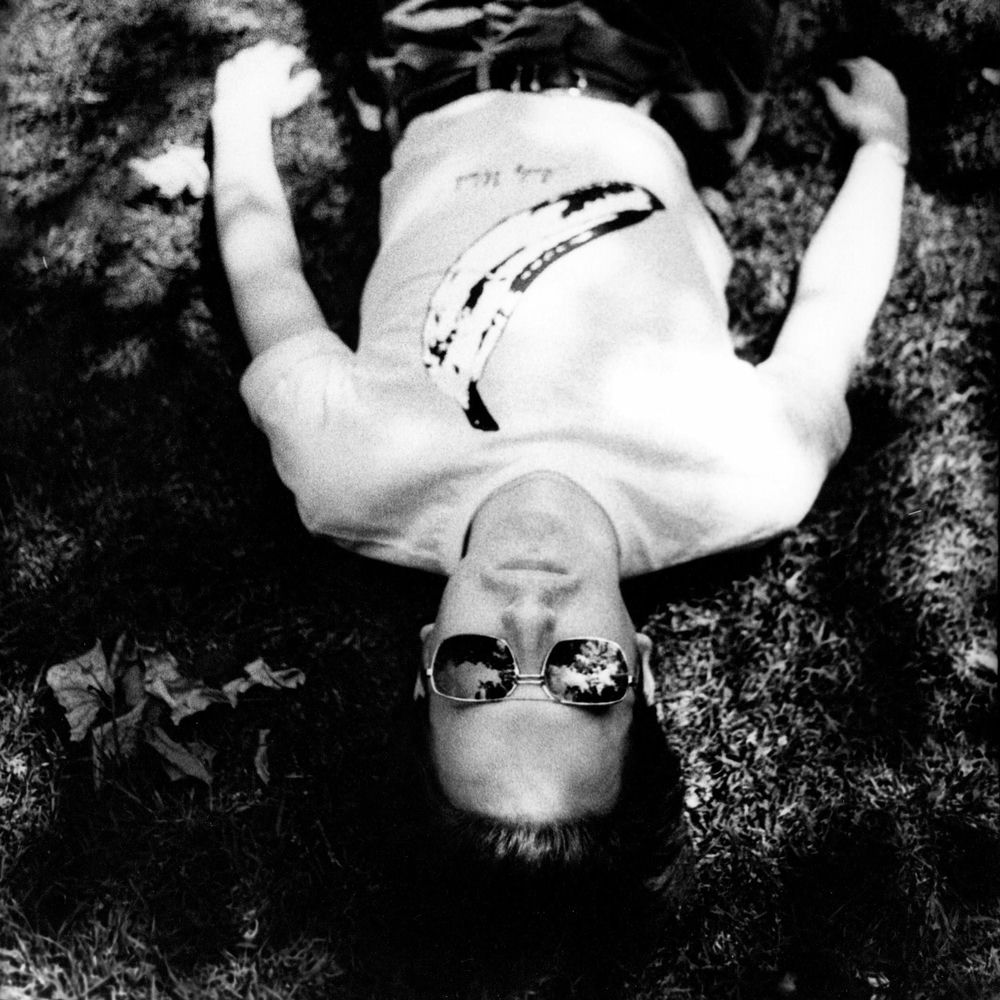
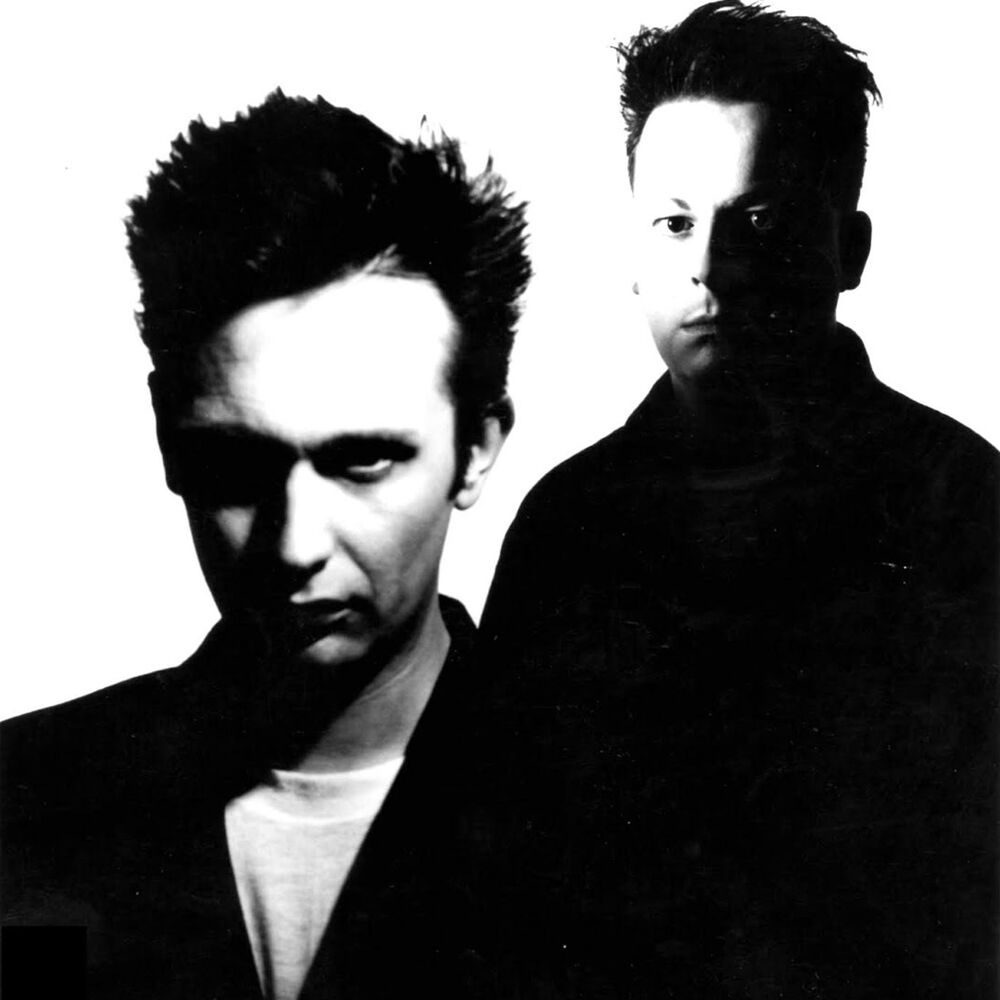
Cabaret Voltaire
Listen on radio stations:

Cabaret Voltaire: Pioneers of Industrial and Electronic Music
Cabaret Voltaire were a pioneering English group from Sheffield, central to the development of industrial and electronic music. Formed in 1973, their innovative use of tape loops, synthesizers, and found sound created a dark, rhythmic blueprint that influenced countless artists across post-punk, industrial, and alternative dance genres.
Early career
Cabaret Voltaire formed in 1973 in Sheffield, England, with the core trio of Richard H. Kirk, Stephen Mallinder, and Chris Watson. Their early work was fiercely experimental, utilizing reel-to-reel tape recorders, rudimentary electronics, and a DIY ethos to create a jarring collage of noise, rhythm, and manipulated sound, which aligned them with the nascent industrial scene.
Breakthrough
The group's signing to Rough Trade Records in 1978 marked a shift towards more structured, albeit still challenging, song forms. Their 1979 debut album, Mix-Up
Key tracks
Nag Nag Nag - This 1979 single is a definitive early statement, marrying frantic drum machines, distorted vocals, and punk energy to create a seminal post-punk and industrial anthem.
Silent Command - A track from their debut album that showcases their mastery of atmospheric tension and tape-loop experimentation, defining their early sound.
Sensoria - From their 1984 album Micro-Phonies, this track marked their move into more accessible, dance-floor oriented electro-funk while retaining a distinctively cold, industrial edge.
Just Fascination - Another single from Micro-Phonies that highlighted their successful integration of pop structures with cutting-edge electronic production.
Crackdown - The title track from their 1983 album emphasized a cleaner, more synth-pop influenced direction, reflecting their evolution during the 1980s.
Throughout the 1980s, Cabaret Voltaire continued to evolve, moving towards a more polished synth-pop and alternative dance sound on albums for labels like Some Bizzare and Virgin, while never fully abandoning their experimental roots. The departure of Chris Watson in 1981 and later Stephen Mallinder in 1994 left Richard H. Kirk to steer the project as a primarily solo venture, releasing new material into the 2000s that explored ambient techno and electronic styles.
Fans of Cabaret Voltaire's groundbreaking work may also appreciate the pioneering electronics of Throbbing Gristle, who were foundational to the industrial genre. The post-punk experimentation of The Human League shares a similar Sheffield origin and early electronic approach. The dark, danceable rhythms of Ministry later carried the industrial funk blueprint into heavier territory. The innovative sampling and atmosphere of The Art Of Noise also explores similar avant-garde pop concepts.
Similar artists