Camel
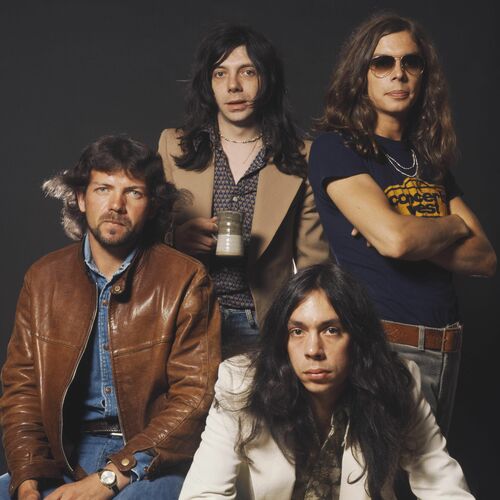
Camel: The Progressive Rock Pioneers
Formed in 1971 in Surrey, England, Camel is a foundational act in the progressive rock genre, celebrated for their intricate instrumentals and conceptual album narratives. The band achieved significant commercial success in the mid-1970s, most notably with their acclaimed 1975 album The Snow Goose, which broke into the UK Top 30 and solidified their reputation as masterful musical storytellers.
Early career
Camel's origins trace back to the disbandment of the psychedelic rock group The Brew, with guitarist Andrew Latimer and bassist Doug Ferguson joining forces with keyboardist Peter Bardens and drummer Andy Ward. Their self-titled debut album, Camel, was released in 1973 on the MCA Records label, introducing their blend of melodic rock and complex arrangements to a niche but growing audience.
Breakthrough
The band's major breakthrough arrived in 1975 with their third studio album, The Snow Goose. A fully instrumental concept album based on Paul Gallico's novella, it was released on Decca Records and peaked at number 22 on the UK Albums Chart. This critical and commercial success established Camel as a leading force in the progressive rock movement of the era.
Key tracks
Lady Fantasy — This epic suite from their second album Mirage became a live favorite and a definitive example of their early symphonic prog style.
The Snow Goose — The title track from their breakthrough album showcased their ability to convey narrative and emotion purely through instrumental music.
Never Let Go — A powerful track from their debut that highlighted Andrew Latimer's distinctive guitar work and the band's dynamic range.
Rhayader — A key piece from The Snow Goose album, it demonstrated their skill in creating evocative, cinematic soundscapes.
Stationary Traveller — A standout from their 1984 album, this track illustrated the band's adaptation to a more accessible, synth-driven sound in the 1980s.
Following their peak, Camel continued to release ambitious works like 1976's Moonmadness, which also charted in the UK. The late 1970s saw lineup changes, with bassist/vocalist Richard Sinclair joining, and the release of the ambitious double-album Nude in 1981. Despite shifting musical trends, the band, always led by Andrew Latimer, maintained a dedicated global fanbase through consistent touring and albums like 1991's Dust and Dreams.
Fans of Camel's intricate compositions and melodic prog-rock will also appreciate the work of Caravan, another key band from the Canterbury scene known for their jazz-inflected rock. Pink Floyd shares Camel's affinity for conceptual depth and atmospheric soundscapes. The symphonic scope of Genesis in their Peter Gabriel era offers a similar narrative-driven musical experience. For those drawn to Camel's instrumental prowess, Steve Hackett provides masterful guitar work within the progressive framework.
Camel's rich catalog is a staple on dedicated classic rock and progressive rock radio stations, frequently featured on specialty programs that explore the genre's history. Their music resonates across online rock radio streams and independent music radio stations that champion intricate, album-oriented rock from the 1970s and beyond.
Listeners can explore the enduring legacy of this seminal English progressive rock group by tuning into the radio stations available on onairium.com, where Camel's timeless compositions remain in regular rotation for both longtime fans and new audiences.