
Camel: The Enduring Journey of British Progressive Rock
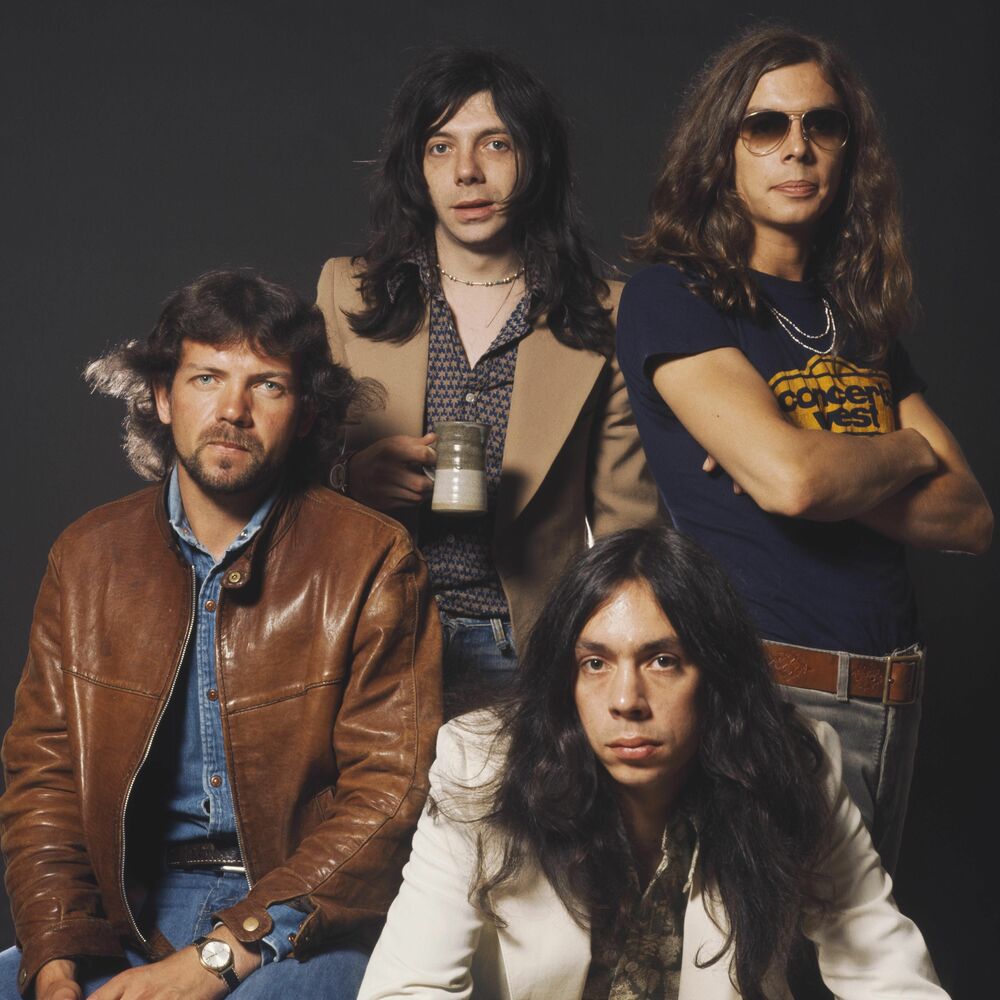
Camel is a British progressive rock band formed in the early 1970s, known for their intricate instrumentals and melodic, concept-driven albums. Hailing from the United Kingdom, the group achieved a dedicated global following and critical acclaim with landmark records like 1974's "Mirage" and their 1975 instrumental suite "The Snow Goose".
Early career
Camel was founded in 1971 in Surrey, England, by guitarist Andrew Latimer, bassist Doug Ferguson, keyboardist Peter Bardens, and drummer Andy Ward. The band's early sound blended blues and pop rock influences, leading to their self-titled debut album in 1973 on the MCA Records label, which established their foundation in the burgeoning progressive rock scene.
Breakthrough
The band's breakthrough arrived with their second album, 1974's "Mirage". Released on the Deram label, this record refined their symphonic prog style and featured longer, more complex compositions. Its success, particularly the track "Lady Fantasy", solidified Camel's reputation and set the stage for their most commercially successful work.
Key tracks
Lady Fantasy - This epic multi-part suite from "Mirage" became a live staple and is considered a definitive example of the band's early, guitar-driven progressive rock sound.
The Snow Goose - The title track from their 1975 album is the centerpiece of a fully instrumental concept record based on Paul Gallico's novel, showcasing the band's ability to convey narrative through music alone.
Rhayader - Another key movement from "The Snow Goose", this piece highlights the band's skill with atmospheric, melodic instrumentals that defined their peak-era popularity.
Never Let Go - A powerful track from their debut album that features the driving organ work of Peter Bardens and announced the band's arrival on the progressive rock stage.
Ice - From their 1976 album "Moonmadness", this song exemplifies the band's later, more refined and keyboard-textured approach to symphonic rock.
Following the peak of "The Snow Goose", Camel continued to evolve, releasing albums like "Rain Dances" (1977) which incorporated jazz-fusion elements. Despite several lineup changes, with Andrew Latimer remaining the constant creative force, the band has produced a consistent discography, including later works like "Harbour of Tears" (1996) and "Rajaz" (1999), maintaining their commitment to melodic progressive rock.
Fans of Camel's intricate compositions and melodic prog sensibilities may also enjoy the work of Caravan, who share the Canterbury scene's whimsical and jazz-inflected approach. The symphonic scope of Genesis in their Peter Gabriel era offers a similar narrative ambition. For listeners drawn to Camel's instrumental prowess, the complex rock of King Crimson provides a more experimental parallel, while the melodic focus of Steve Hackett resonates with Latimer's guitar style.
The music of Camel remains a fixture on classic progressive rock and album-oriented radio stations, where their epic suites and concept albums find a natural home. Their recordings are regularly featured in programming dedicated to the classic era of symphonic and art rock.
Listeners can explore the detailed musical journey of Camel through their extensive catalog featured on radio stations available on onairium.com.