Camille Saint-Saëns
Listen on radio stations:


Camille Saint-Saëns: The French Romantic Virtuoso
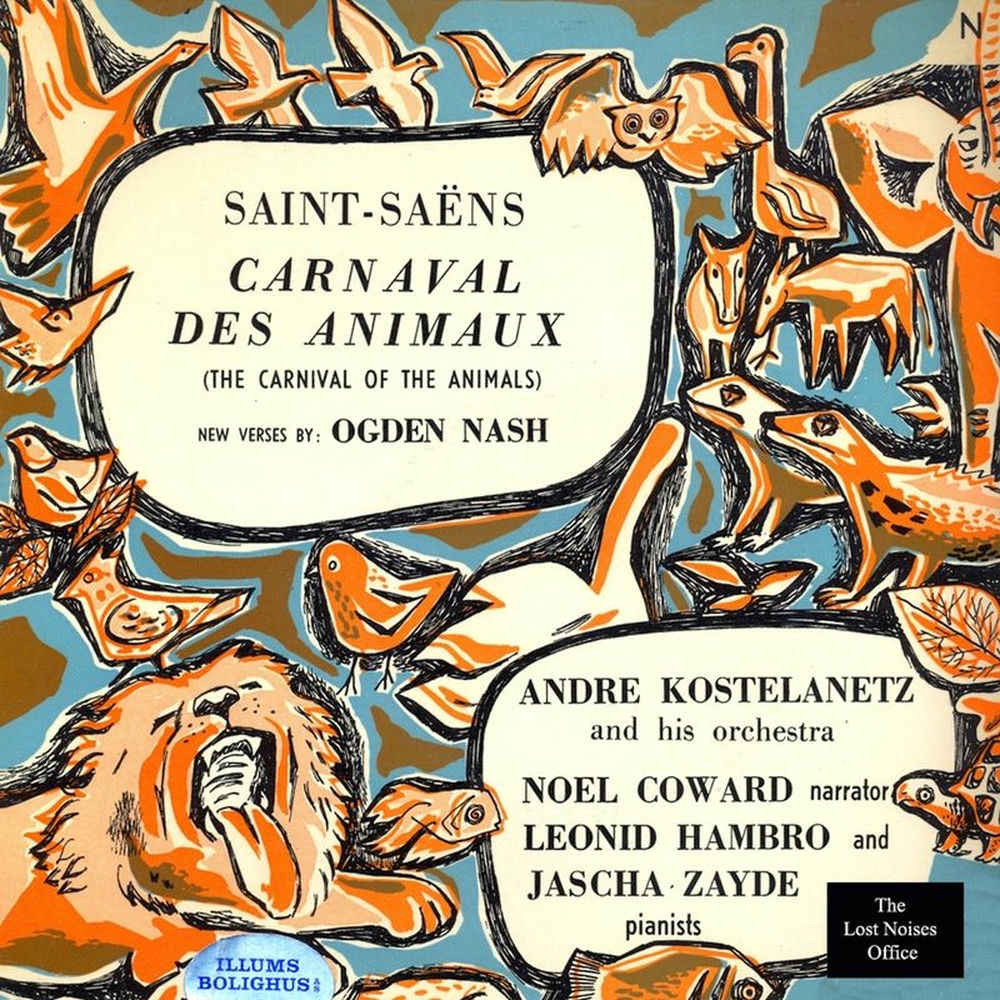
Camille Saint-Saëns was a French composer, organist, pianist, and conductor whose prolific career bridged the 19th and 20th centuries. Hailing from Paris, his most enduring achievement is the iconic orchestral work The Carnival of the Animals, though his output spanned opera, symphony, and concerto with remarkable technical mastery.
Early career
Born in Paris in 1835, Saint-Saëns was a child prodigy, giving his first public piano recital at the age of ten. He studied at the Paris Conservatoire and later served as the organist at the prestigious Church of the Madeleine for two decades, building a reputation as a formidable improviser.
Breakthrough
While respected in French musical circles, Saint-Saëns gained wider international recognition through his instrumental works, particularly his symphonic poems and concertos. His Introduction and Rondo Capriccioso for violin and orchestra, written for the virtuoso Pablo de Sarasate in 1863, became a staple of the Romantic repertoire.
Key tracks
Danse Macabre - This 1874 symphonic poem is famous for its vivid musical depiction of death playing a fiddle at midnight.
The Carnival of the Animals - A humorous suite for chamber ensemble, its movement "The Swan" for cello and piano is one of his most beloved melodies.
Samson and Delilah - The opera's aria "Mon coeur s'ouvre à ta voix" remains a highlight of the mezzo-soprano repertoire.
Piano Concerto No. 2 in G minor - A dramatic and popular work that showcases his blend of classical structure and Romantic flair.
Organ Symphony (Symphony No. 3) - This grand 1886 work for orchestra and organ solidified his legacy as a master of large-scale forms.
As a founder of the Société Nationale de Musique in 1871, Saint-Saëns championed French instrumental music. His style, often noted for its clarity, elegance, and adherence to classical forms, contrasted with the heavier German Romanticism of his time.
Artists like Gabriel Fauré shared his melodic refinement and was his close friend and pupil. Charles Gounod represents an earlier generation of French opera and sacred music. Georges Bizet, another contemporary, also worked within the French dramatic tradition, though with a different orchestral color.
His music continues to be celebrated for its craftsmanship and invention. The compositions of Camille Saint-Saëns remain essential listening within the canon of French Romantic music.