
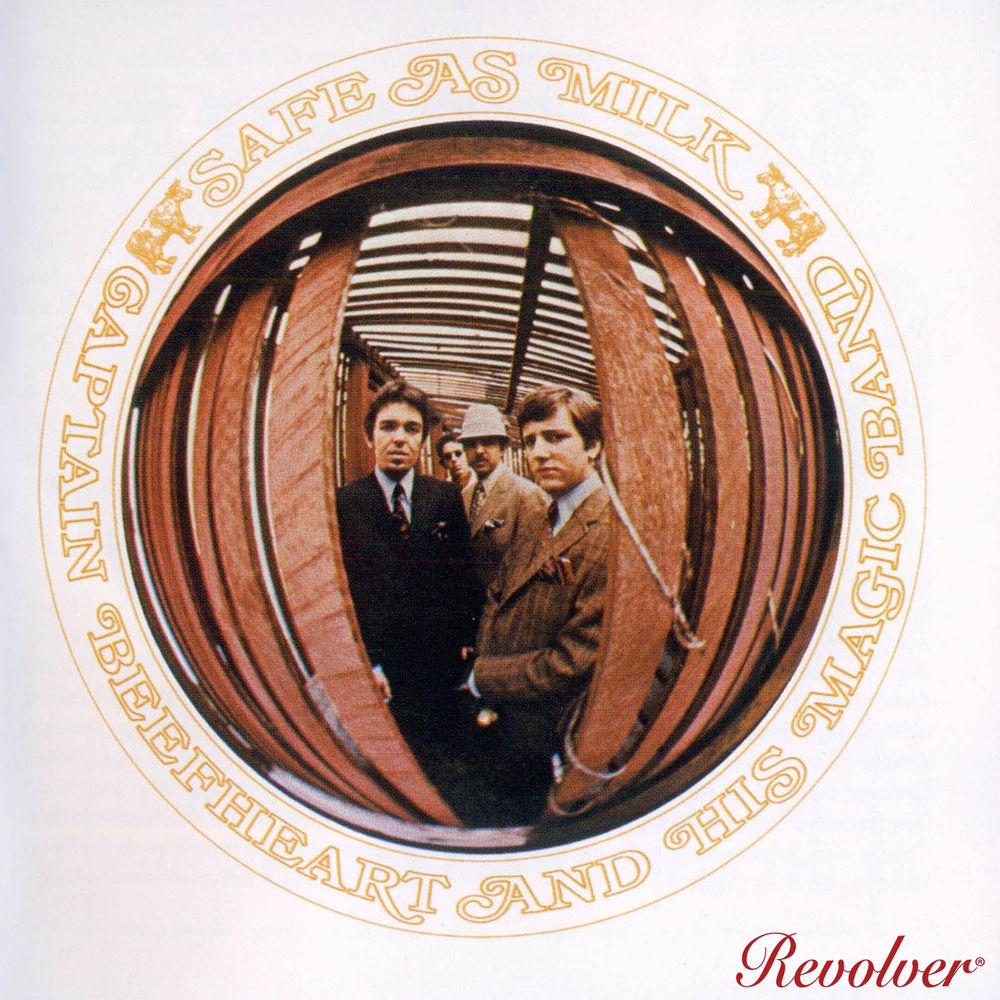
Captain Beefheart and His Magic Band
Captain Beefheart and His Magic Band: Pioneers of Avant-Garde Blues Rock
Captain Beefheart and His Magic Band was an American avant-garde rock group led by the enigmatic singer, songwriter, and multi-instrumentalist Don Van Vliet. Operating from Lancaster, California, the group's primary achievement was the 1969 album Trout Mask Replica, a landmark work that defied commercial conventions to become one of the most influential and critically analyzed records in experimental music.
Early career
Don Van Vliet formed the first iteration of his Magic Band in 1964, blending a deep love for Delta blues with a growing desire to subvert its structure. Their early singles on A&M and Buddah Records, like "Diddy Wah Diddy," showed a raw, psychedelic-tinged R&B sound. The 1967 debut album Safe as Milk, produced by a young Ry Cooder for Buddah, presented a more polished but still wildly inventive take on blues rock.
Breakthrough
The group's definitive breakthrough was not commercial but artistic, arriving with 1969's Trout Mask Replica. Produced by Van Vliet's childhood friend Frank Zappa and released on Zappa's Straight Records label, the double album was recorded after months of intense, isolated rehearsal. It featured complex, dissonant compositions and surreal lyrics, peaking at No. 58 on the Billboard Pop Albums chart, a surprising placement for such challenging material.
Key tracks
Trout Mask Replica — The album's title track encapsulates the record's chaotic, collage-like aesthetic and its deliberate break from traditional rock songwriting.
Electricity — From their debut, this track showcases Van Vliet's powerful howl and the band's ability to warp blues into something menacing and new.
Moonlight on Vermont — A slightly more accessible entry point from Trout Mask Replica, highlighting the intricate interlocking guitar parts of Bill Harkleroad and Jeff Cotton.
Clear Spot — The title track from their 1972 album for Reprise Records demonstrates a return to a tighter, more produced rhythm and blues groove.
Ice Cream for Crow — The 1982 single and title track of their final album is a fitting, off-kilter blues swan song for the project.
Later albums like 1970's Lick My Decals Off, Baby continued the difficult path, while 1972's Clear Spot and 1974's Unconditionally Guaranteed saw attempts at a more commercial sound that led to band turmoil. After a hiatus, Captain Beefheart and His Magic Band reformed for three final albums in the late 1970s and early 80s on Virgin and Epic Records before Van Vliet retired from music in 1982 to focus on painting.
Artists exploring similarly deconstructed and visionary American music include Frank Zappa who shared a commitment to musical complexity and satire. The experimental rock approach also connects to The Residents with their shared use of anonymity and avant-garde performance. Later noise and art rock acts like Sonic Youth drew clear inspiration from the band's dissonant guitar textures. The raw, poetic spirit can be heard in the work of Tom Waits, especially his 1980s shift into more percussive, surreal storytelling.
Captain Beefheart and His Magic Band maintains a steady rotation on specialty radio formats dedicated to adventurous rock history. Their challenging catalog is a staple on freeform alternative rock radio stations, college radio, and online radio streams focused on psychedelic and avant-garde genres, where their influence is regularly celebrated and explored.
You can hear the groundbreaking music of Captain Beefheart and His Magic Band on the curated classic rock and experimental radio stations featured right here on onairium.com. Tune in to discover the enduring legacy of this truly unique American artist.
