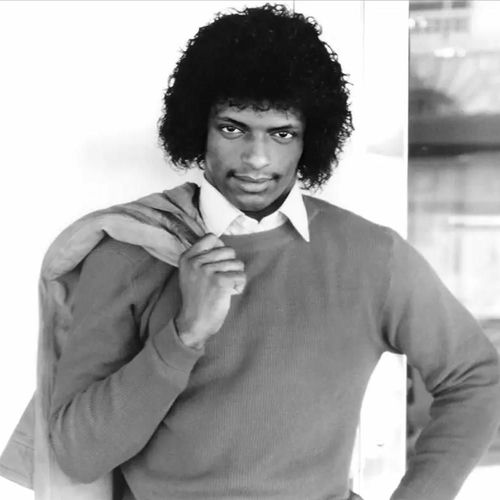
Carl Carlton
Carl Carlton: The Soul and Funk Powerhouse
Carl Carlton is an American soul and R&B singer and guitarist whose career spans over five decades, marked by a distinctive voice and a string of enduring dancefloor anthems. Hailing from Detroit, Michigan, he is best known for his electrifying 1981 cover of "She's a Bad Mama Jama," which became a platinum-selling crossover smash and a defining track of the funk era.
Early career
Born in 1953, Carlton began his musical journey early, signing with the legendary Motown label's Soul imprint as a teenager in the late 1960s. His initial releases, including the single "Competition Ain't Nothin'" in 1968, showcased his raw talent but did not break through commercially, leading him to refine his sound and stagecraft on the vibrant club circuit.
Breakthrough
Carlton's major breakthrough arrived in 1981 after he signed with 20th Century Fox Records. His rendition of the soul classic "She's a Bad Mama Jama (She's Built, She's Stacked)," originally by Carl Carlton and the songwriting team of Leon Haywood, became an instant phenomenon. The single soared to No. 2 on the Billboard R&B chart and crossed over to No. 22 on the Hot 100, eventually earning a platinum certification for sales exceeding one million copies.
Key tracks
She's a Bad Mama Jama (She's Built, She's Stacked) — This platinum-selling 1981 funk anthem remains his signature hit, a staple of old-school playlists worldwide.
Everlasting Love — Carlton's 1974 version of this pop-soul standard became a major hit, reaching No. 6 on the Billboard Hot 100 and establishing him as a chart force.
Baby Don't You Walk Away — This 1983 single continued his successful run on the R&B charts, peaking at No. 13 and showcasing his smooth vocal delivery.
Drop by My Place — A popular track from his successful 1982 album "The Bad C.C.," it solidified his reputation for crafting irresistible dance grooves.
Sustained success and later work
Following the massive success of "Bad Mama Jama," Carlton released the album "The Bad C.C." in 1982, which spawned further R&B hits. He continued to record and perform consistently throughout the 1980s and 1990s, collaborating with artists like Smokey Robinson and maintaining a loyal fan base. His music has been heavily sampled in hip-hop, a testament to its enduring rhythmic power, and he remains a celebrated live performer on the soul and funk revival circuit.
For fans of Carl Carlton's brand of energetic funk and smooth soul, the music of similar artists like The Gap Band offers a similar blend of tight musicianship and party-starting rhythms. Morris Day shares that same flair for slick, dance-oriented funk from the same era. The polished soul of Luther Vandross provides a complementary vocal sophistication, while the foundational grooves of The Ohio Players echo in Carlton's own instrumental prowess.
Carl Carlton's classic hits maintain a strong presence on radio, frequently featured on classic soul and funk FM stations, dedicated R&B channels, and online radio streams celebrating the golden era of dance music. His tracks are essential for any playlist focused on timeless grooves and undeniable rhythm.
Listeners can discover the dynamic catalog of Carl Carlton, from his early soul cuts to his funk anthems, by tuning into the radio stations featured on onairium.com, where his music continues to energize audiences and define a vibrant chapter in American music history.