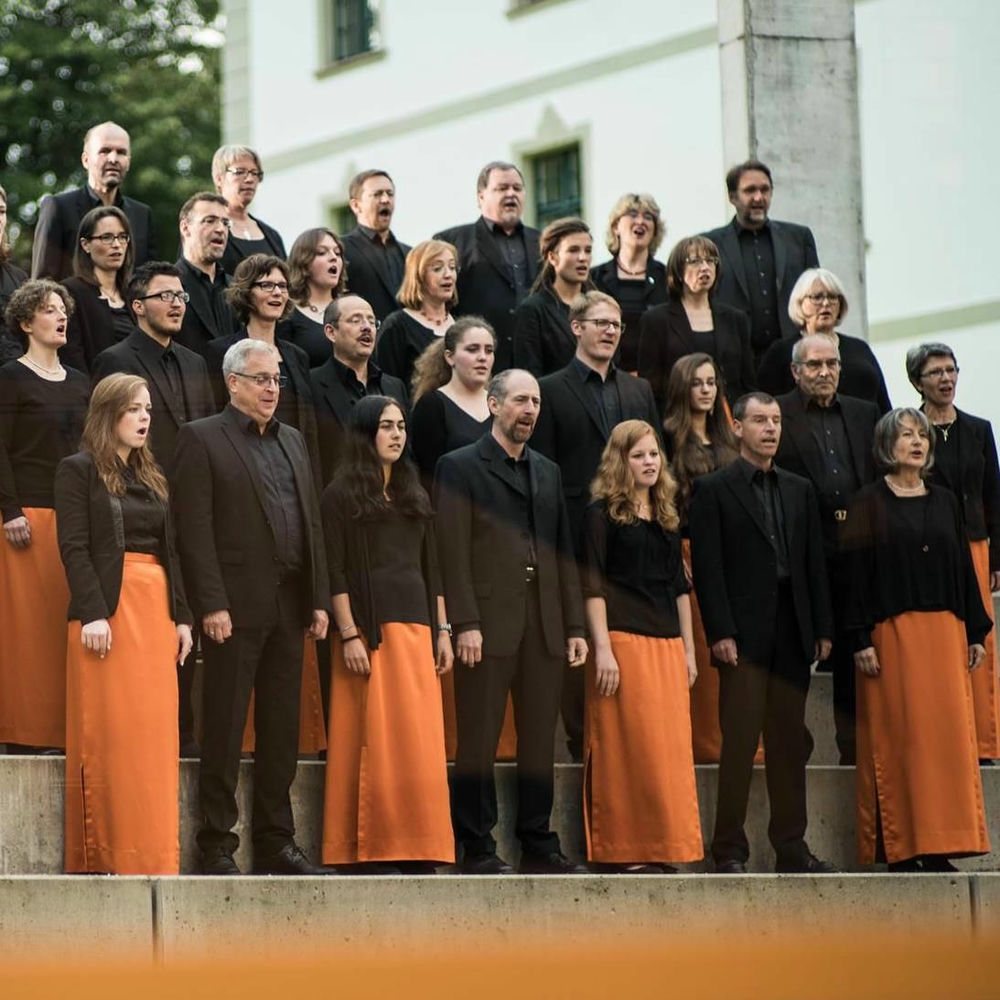
Carl Orff: The Composer of Primal Modernist Masterpieces
Carl Orff was a German composer and music educator whose work left a profound mark on 20th-century classical and choral music. His most famous achievement, the monumental secular cantata Carmina Burana, has achieved global recognition, selling millions of copies and becoming a staple in both concert halls and popular culture.
Early career
Born in Munich in 1895, Carl Orff displayed musical talent early, studying at the Munich Academy of Music. His initial compositions in the 1910s and 1920s were influenced by late Romanticism and early modernists like Richard Strauss and Claude Debussy, but he sought a radically different path. A pivotal moment came through his work at the Günther School for gymnastics, music, and dance in Munich, where he began developing his influential educational philosophy, Orff Schulwerk.
Breakthrough
Orff's international breakthrough arrived in 1937 with the premiere of Carmina Burana, a scenic cantata based on medieval poems. Premiered in Frankfurt, the work was published by Schott Music, a label that remains the publisher of his catalog. While immediate Nazi reception was mixed, its powerful, rhythmic, and accessible style resonated with audiences, leading to countless performances and recordings that have since certified its multi-platinum status worldwide.
Key tracks
O Fortuna — This opening and closing movement from Carmina Burana is one of the most recognizable pieces of classical music ever written, used extensively in film and television.
Carmina Burana — The complete cantata stands as Orff's definitive masterpiece, defining his "theatrum mundi" concept of total theater combining music, movement, and speech.
Catulli Carmina — Part of Orff's Trionfi trilogy, this 1943 work continues the composer's exploration of ancient texts with a focus on percussion and chorus.
Trionfo di Afrodite — The final part of the Trionfi trilogy, this concert opera showcases Orff's mature style of driving rhythms and stark, powerful textures.
Following the monumental success of Carmina Burana, Orff composed two companion pieces, Catulli Carmina and Trionfo di Afrodite, to form the triptych Trionfi. His later stage works, including Die Kluge and Der Mond, further developed his unique musical language, often termed "Theatrum Mundi." Parallel to his composing, Orff's educational work, the Orff Schulwerk, became a globally adopted method for teaching music to children, ensuring his legacy in pedagogy as well as performance.
For listeners captivated by Carl Orff's dramatic and rhythmic approach to classical composition, explore similar artists featured on our network. The theatricality of Richard Strauss is a clear precursor to Orff's operatic scale. Hindemith shares Orff's German modernist context and interest in practical music-making. The choral intensity and ancient themes in the works of Stravinsky, particularly The Rite of Spring, offer a compelling parallel. For a contemporary of Orff with a different, yet equally distinct, harmonic language, discover Bartok.
The powerful rhythms and epic choral arrangements of Carl Orff's catalog make his music a frequent feature on classical FM stations, specialty choral and orchestral programs, and online radio streams dedicated to 20th-century masterworks. His works are programmed for their immediate impact and enduring popularity with audiences.
You can experience the dramatic force of Carl Orff's compositions, from the famed O Fortuna to his complete stage works, on the classical and modern composition radio stations available through onairium.com. Tune in to discover why his primal and innovative sound continues to captivate listeners worldwide.