








Celia Cruz: The Queen of Salsa
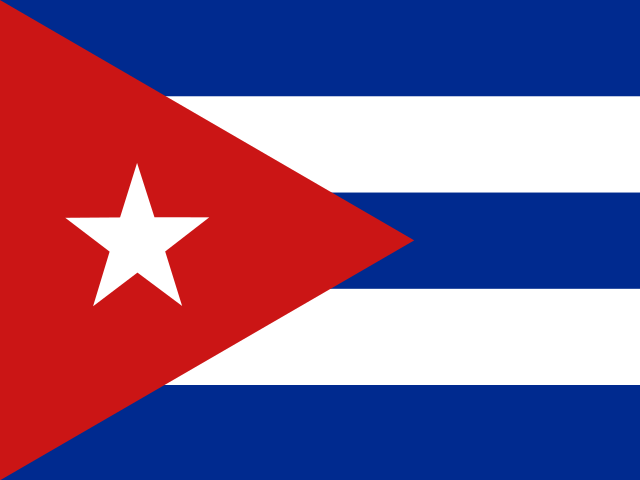
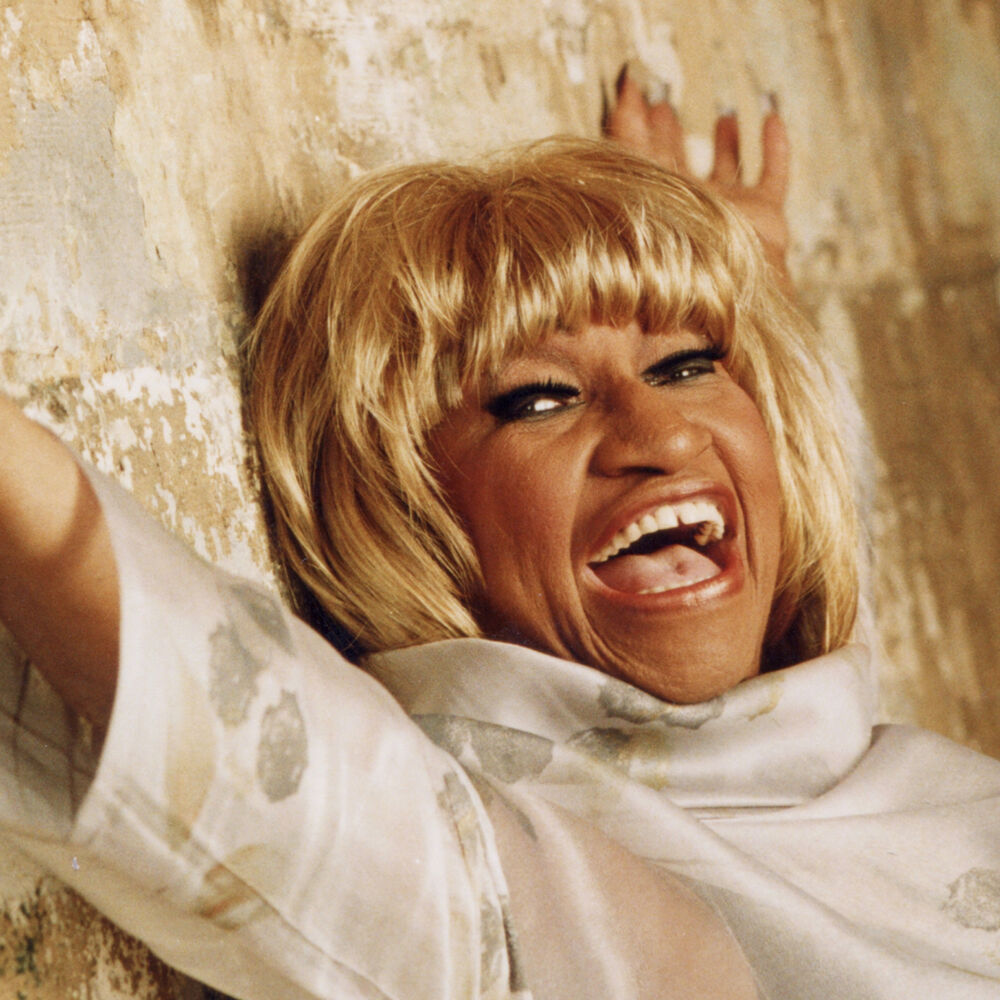
Celia Cruz was a Cuban-American singer whose powerful voice and electrifying stage presence made her a global icon of Latin music. Hailing from Havana, she sold millions of records worldwide, earning numerous gold and platinum certifications and leaving an indelible mark on salsa and tropical music.
Early career
Úrsula Hilaria Celia de la Caridad Cruz Alfonso was born in Havana, Cuba, in 1925. Her professional career began in the 1940s after winning a radio talent show, leading to her joining the renowned Cuban orchestra Sonora Matancera in 1950, where she recorded numerous hits and gained fame across Latin America.
Breakthrough
Celia Cruz's definitive breakthrough in the United States came after the Cuban Revolution, when she relocated and began collaborating with key figures in the New York salsa scene. Her partnership with bandleader Johnny Pacheco and the Fania All Stars in the 1970s catapulted her to international stardom, solidifying her status as the genre's leading female voice.
Key tracks
Quimbara - This explosive 1974 track with Johnny Pacheco became an instant salsa anthem, showcasing her vibrant energy and defining sound.
La Vida Es Un Carnaval - A later-career masterpiece, this song's message of joy and resilience became one of her most beloved and enduring hits.
Bemba Colorá - A fiery guaracha that highlights her Afro-Cuban roots and unmatched vocal command.
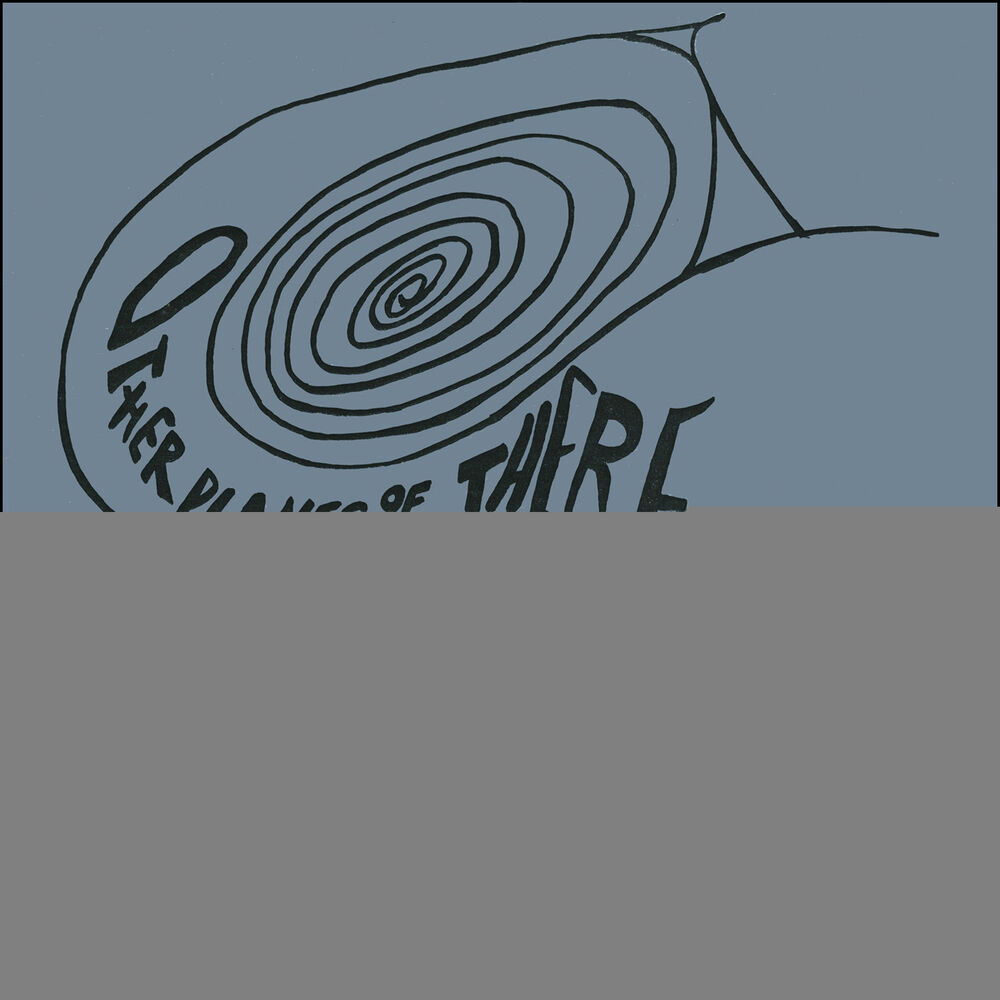
Usted Abusó - A powerful duet with Willie Colón from the 1977 album "Only They Could Have Made This Album," demonstrating her mastery of romantic salsa.
Yo Viviré (I Will Survive) - Her Spanish-language version of the disco classic transformed it into a powerful salsa statement of survival.
Throughout the 1980s and 1990s, Celia Cruz continued to dominate, winning Grammy and Latin Grammy Awards and collaborating with artists across genres, from Gloria Estefan to David Byrne. Her prolific output included successful albums on labels like Fania Records, RMM, and Sony Discos.
Artists who share Celia Cruz's foundational role in tropical music include Willie Colón, who was a key collaborator in the New York salsa movement. The vocal power and stage presence of La India earned her the title "Princess of Salsa," following in Cruz's footsteps. For the classic Cuban son style that informed Cruz's early work, listen to Compay Segundo. The enduring legacy of salsa dura is also carried forward by Marc Anthony, a modern superstar in the genre.
Celia Cruz's timeless catalog, from guaracha to salsa and Latin pop, remains a staple on classic salsa FM stations and tropical music online radio streams. Her music is frequently featured on dedicated Latin music radio stations celebrating the genre's rich history.
The music of Celia Cruz, the undisputed Queen of Salsa, can be heard and discovered through the radio stations featured on onairium.com, where her legendary voice continues to inspire new generations of listeners.