Celly Campello
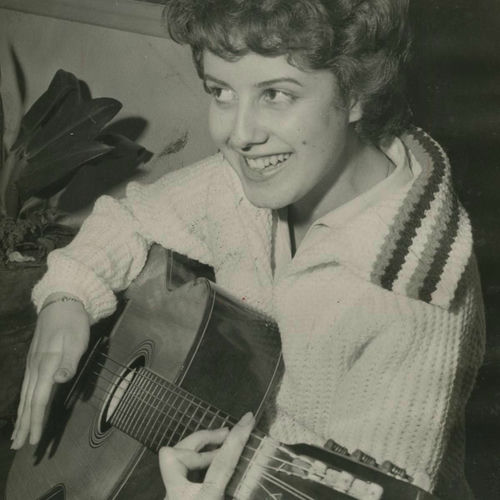
Celly Campello: The Pioneering Voice of Brazilian Rock 'n' Roll
Celly Campello was a foundational Brazilian singer who became the nation's first major rock 'n' roll star. Hailing from Taubaté, São Paulo, her explosive success in 1959 with the single "Banho de Lua" (Tintarella di Luna) sold over 100,000 copies and ignited the rock movement in Brazil.
Early career
Celly Campello was born in 1942 and began her career as a teenager alongside her brother, Tony Campello. The siblings were discovered after winning a talent contest on TV Record, which led to their own television show, "Alô, Brotos," in 1959. This platform was crucial for introducing the energetic new rock 'n' roll sound to a young Brazilian audience.
Breakthrough
Her breakthrough was immediate and monumental in 1959 with the release of "Banho de Lua." The song, a Portuguese cover of the Italian hit "Tintarella di Luna," was released by Chantecler, the leading label for the nascent rock scene. It became a national phenomenon, topping charts and achieving massive sales that would later be certified Gold, establishing the commercial potential of rock music in Brazil.
Key tracks
Banho de Lua — This 1959 cover was the record-breaking smash that launched the rock era in Brazil and defined her career.
Estúpido Cupido — Her powerful Portuguese version of "Stupid Cupid" further cemented her status as the queen of Brazilian rock in the late 1950s.
Broto Legal — The theme song for her TV show became an anthem for the youth culture she represented.
Splish Splash — Her energetic take on the Bobby Darin classic showcased her ability to adapt American rock for Brazilian fans.
Pare, Pense, Não Se Suicide — This later track demonstrated her continued relevance and versatility within the evolving Brazilian musical landscape.
Following her initial burst of fame, Celly Campello continued recording for Chantecler, releasing a series of successful singles and EPs throughout the early 1960s. Her career, though tragically shortened, laid the essential groundwork for every Brazilian rock artist that followed, proving the genre's viability in the market.
For fans of Celly Campello's foundational Brazilian rock sound, explore similar pioneering artists from the same era. Roberto Carlos began his legendary career in the same Jovem Guarda movement. Wanderléa was another major star of the televised Brazilian rock boom. Rita Lee later emerged as a rock icon who built upon the path Campello helped create. Tim Maia infused his soul and rock with a similarly raw and charismatic Brazilian energy.
Celly Campello's music holds a permanent place in the rotation of classic Brazilian radio stations, particularly those dedicated to nostalgic hits and the foundational sounds of national rock. Her tracks are staples on stations celebrating the golden era of Brazilian pop and rock, ensuring new generations discover her pioneering work.
The enduring rock 'n' roll legacy of Celly Campello can be heard on radio stations featured here. Listeners can discover or revisit the music of this Brazilian pioneer through the classic hits and dedicated genre stations available on onairium.com.