




Celly Campello: The Pioneer of Brazilian Rock and Roll
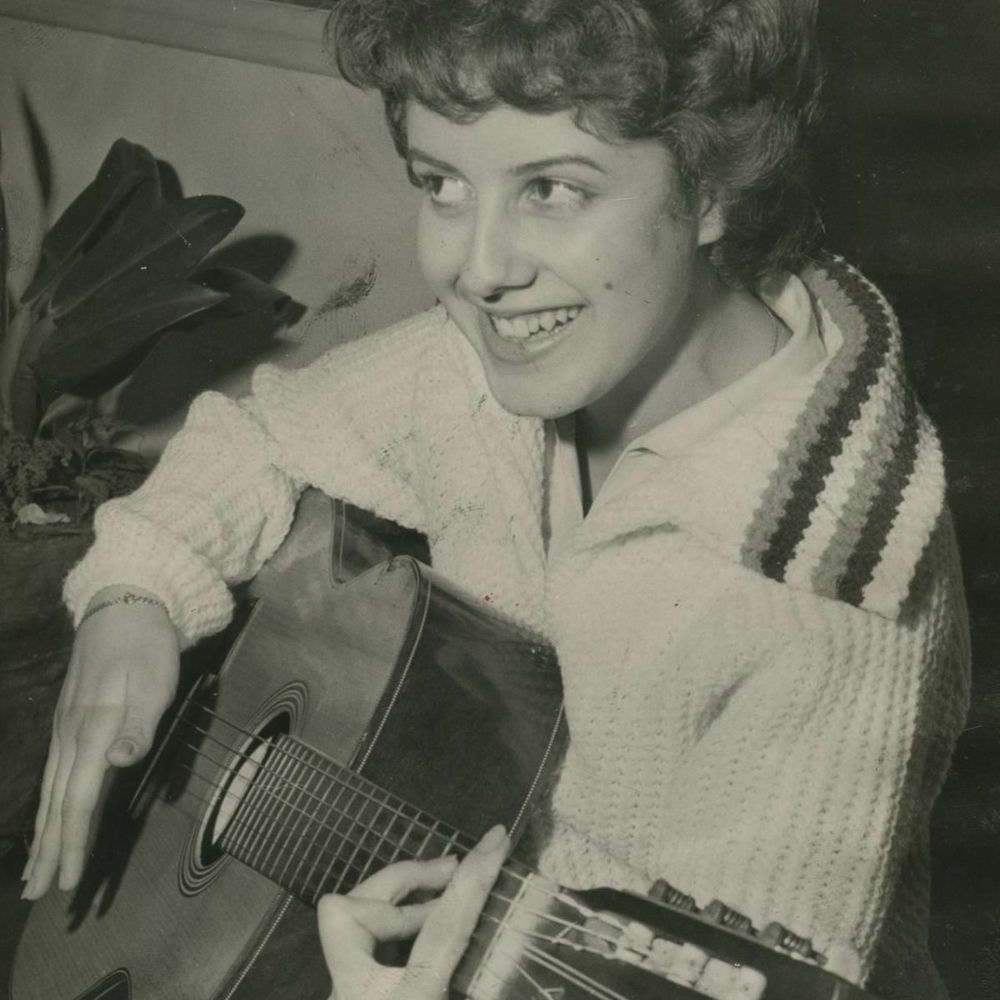
Celly Campello was a Brazilian singer and the nation's first major rock and roll star. Hailing from São Paulo, her explosive success in the late 1950s and early 1960s, marked by massive record sales and chart dominance, permanently altered the landscape of Brazilian popular music.
Early career
Celly Campello was born in 1942 in Taubaté, São Paulo. Her musical career began alongside her brother Tony Campello, with the duo performing on radio programs before being discovered by RCA Victor.
Her professional debut came in 1959 with the release of her first single, which featured the song "Banho de Lua" (Tintarella di Luna). This cover of an Italian hit would soon become a national phenomenon.
Breakthrough
Celly Campello's breakthrough was immediate and seismic in 1959. Her debut single, "Banho de Lua," became a runaway hit, selling over 100,000 copies in its first month and eventually achieving platinum-level sales in Brazil.
The song topped charts across the country, making the teenage singer a household name and proving the commercial viability of rock and roll sung in Portuguese. This success was solidified with her debut album, "Broto Certinho," released the same year.
Key tracks
Banho de Lua — This 1959 cover was her career-defining smash, breaking sales records and introducing rock and roll to a massive Brazilian audience.
Estúpido Cupido — Another major hit from 1960, this Portuguese version of "Stupid Cupid" further cemented her status as the queen of the *yê-yê* movement.
Broto Certinho — The title track from her debut LP became an anthem for Brazilian youth and a classic of the early rock era.
Splish Splash — Her energetic Portuguese cover of the Bobby Darin hit showcased her ability to adapt American rock and roll for local fans.
Following this unprecedented success, Celly Campello became a fixture on television and radio, starring in her own TV show. She released several successful albums for RCA Victor throughout the early 1960s, including "A Nova Sensação do Rock" and "Celly e Seus Sucessos." Her career, though meteoric, faced the shifting tides of musical trends, and she stepped back from the spotlight in the mid-1960s, leaving behind a legendary but brief recording period. Her influence, however, endured for decades. For fans of Celly Campello's pioneering Brazilian rock sound, explore similar artists from the era like Roberto Carlos, who also rose to fame in the Jovem Guarda movement. Erasmo Carlos was another central figure and frequent songwriter in the same scene. The energetic spirit of her music can also be heard in later artists like Rita Lee, who blended rock with Brazilian rhythms. Os Mutantes later channeled a similar innovative and Brazilian-ized rock energy in the Tropicalia movement.
RADIO ROTATION: The timeless hits of Celly Campello maintain a regular presence on dedicated Brazilian classic rock stations and oldies FM channels. Her music is also featured on online radio streams specializing in international rock history and curated programs focusing on Latin American musical pioneers.
Listeners can discover the foundational sound of Brazilian rock and roll by tuning into stations that play Celly Campello's classic catalog. Her influential music is regularly featured on the vintage rock and Brazilian music radio stations available on onairium.com.

