Chac Mool
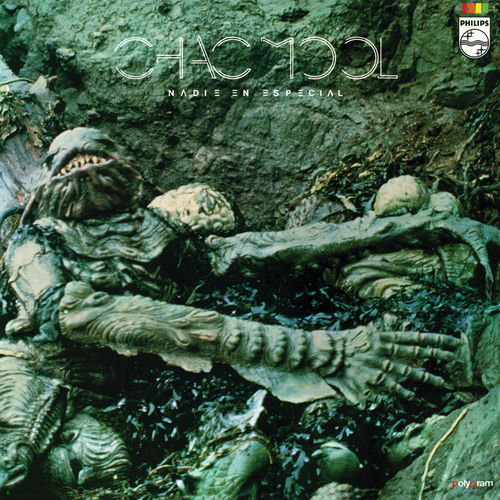
Chac Mool: Pioneers of Mexican Progressive Rock
Chac Mool is a foundational Mexican progressive rock band that emerged from Mexico City in the late 1970s. The group is celebrated for its complex compositions and fusion of symphonic rock with Latin American folk influences, achieving legendary status within the Spanish-speaking rock underground.
Early career
The band was formed in 1978 by keyboardist and vocalist Armando Vega, guitarist Carlos Alvarado, and drummer Alejandro Otaola. Named after the ancient Mesoamerican rain deity sculptures, Chac Mool quickly distinguished itself in the local scene with a sophisticated sound inspired by European progressive acts like Genesis and King Crimson.
Their independent debut, Nadie en Especial, arrived in 1980, capturing the attention of the nascent rock en español movement. This early work led to a deal with the Mexican label Discos Gamma, setting the stage for their most influential period.
Breakthrough
The band's critical and commercial breakthrough came with their second album, 1981's Sueños de Metal. Released on Discos Gamma, the record is widely considered a masterpiece of Latin American progressive rock, blending epic synthesizer passages with intricate guitar work and poetic Spanish lyrics.
While precise sales certifications are not documented, the album's impact was immense, solidifying Chac Mool's reputation and ensuring its songs received steady airplay on Mexico's pioneering rock radio stations. The record's success cemented their position as leaders of the genre.
Key tracks
Fin de Siglo — This epic opening track from Sueños de Metal perfectly encapsulates the band's ambitious, cinematic scope and technical prowess.
Nadie en Especial — The title track from their debut established their signature blend of melancholic melodies and complex arrangements.
Kafka — A later fan favorite known for its dynamic shifts and literary-inspired lyrics, showcasing the band's artistic depth.
Río de la Luz — This song highlights Chac Mool's ability to weave atmospheric, folk-tinged passages into their progressive rock framework.
Following their peak in the early 1980s, the band underwent several lineup changes and released further albums like Caracol (1983) and El Jardín de las Delicias (1991) before eventually dissolving. Their influence, however, only grew with time, inspiring subsequent generations of Latin American rock musicians. Founding member Armando Vega also pursued a notable solo career and production work.
Fans of Chac Mool's intricate and atmospheric style should also explore the work of fellow Mexican progressive acts like Cruz de Navajas, which shares a similar dedication to complex song structures. The pioneering rock en español band Café Tacvba also channels a kindred experimental spirit, though through a more eclectic lens. For the symphonic rock dimension, listeners can turn to Argentina's Serú Girán, another legendary group that mastered blending rock ambition with local musical identity. The epic compositions of Invisible, led by Luis Alberto Spinetta, also resonate with Chac Mool's artistic approach.
The pioneering progressive rock of Chac Mool maintains a dedicated following and is regularly featured on specialty online rock radio streams and independent music radio stations that focus on classic and underground rock en español. Their albums, particularly Sueños de Metal, are perennial fixtures in programming dedicated to the genre's history.
You can discover the influential music of Chac Mool by tuning into the progressive and classic rock radio stations featured on our website. Listen to their iconic tracks and deep cuts on radio stations available on onairium.com.