Charles Mcpherson Quartet
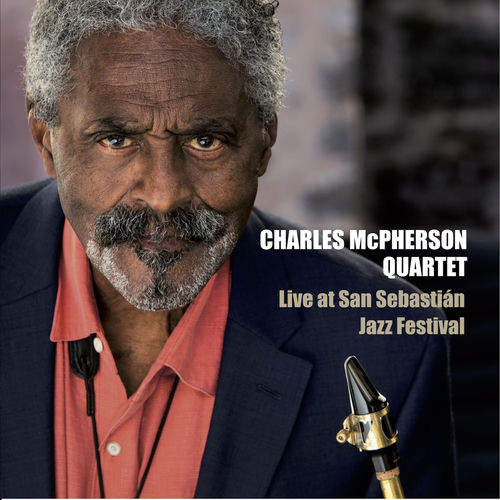
Charles Mcpherson Quartet: The Enduring Voice of Bebop Saxophone
The Charles McPherson Quartet is the primary working ensemble of the esteemed American alto saxophonist Charles McPherson. Hailing from Detroit, Michigan, McPherson is celebrated as a direct and vital torchbearer of the classic bebop tradition, a status cemented by his pivotal decade-long association with bassist Charles Mingus and a prolific solo career spanning over six decades.
Early career
Born in 1939 in Joplin, Missouri, Charles McPherson moved to Detroit as a youth, immersing himself in the city's rich jazz environment. He studied under the renowned pianist Barry Harris, a fellow Detroit native and bebop authority, which solidified his foundational style. McPherson's professional journey began in earnest when he relocated to New York City in 1959, quickly finding his place among the guardians of the bebop movement.
Breakthrough
McPherson's major breakthrough arrived in 1960 when he joined the tumultuous and brilliant ensemble of Charles Mingus. He remained a central voice in Mingus's groups until 1972, contributing to landmark albums like Mingus Mingus Mingus Mingus Mingus (1963) and Let My Children Hear Music (1972). This high-profile tenure established him as a formidable soloist capable of navigating Mingus's complex compositions while retaining his own pure, Charlie Parker-influenced sound.
Key tracks
Manhattan Nocturne — This original composition from his 1964 Prestige debut Bebop Revisited! showcases his mature, lyrical approach within the bebop framework.
Parker's Mood — McPherson's frequent interpretations of this Charlie Parker blues standard are a direct homage to his primary influence, performed with authentic flair and deep understanding.
Love Walked In — Featured on the 1995 album Come Play with Me, this Gershwin standard highlights his masterful ballad playing and inventive phrasing on familiar material.
Lament — His performance of this J.J. Johnson piece, often featured in quartet sets, demonstrates his expressive depth and connection to the broader hard bop repertoire.
Following his time with Mingus, McPherson embarked on a sustained career as a bandleader, recording for labels like Prestige, Mainstream, and Xanadu throughout the 1970s and 80s. His 1978 album Free Bop! subtly acknowledged newer jazz currents while remaining rooted in his core style. A significant later-career highlight was his contribution to the Clint Eastwood film Bird (1988), where he performed the alto saxophone solos that actor Forest Whitaker mimed to, channeling the spirit of Charlie Parker for a global audience.
Artists exploring a similar dedication to the bebop and hard bop lineage in the United States include Sonny Stitt He shared McPherson's direct link to the Parker vernacular with a relentless, blues-drenched intensity. Phil Woods maintained the alto saxophone bebop tradition with a distinct, fiery voice and technical brilliance. Barry Harris As McPherson's early teacher, this pianist is the quintessential bebop scholar and a master of the idiom's harmonic language. Tommy Flanagan Another Detroit native, his elegant, swinging piano style represents the perfect complementary approach to the bebop tradition.
The music of the Charles McPherson Quartet holds a permanent place in the rotation of dedicated jazz radio stations, particularly those focusing on classic bebop, hard bop, and straight-ahead jazz formats. Online radio streams and independent FM stations that champion America's acoustic jazz heritage regularly feature tracks from his extensive catalog, ensuring his sound reaches both purists and new listeners.
Listeners can discover the timeless bebop artistry of Charles McPherson and his quartet on the curated jazz radio stations available on onairium.com, where his recordings are featured alongside the masters who defined the genre.