Charlie Parker and Dizzy Gillespie
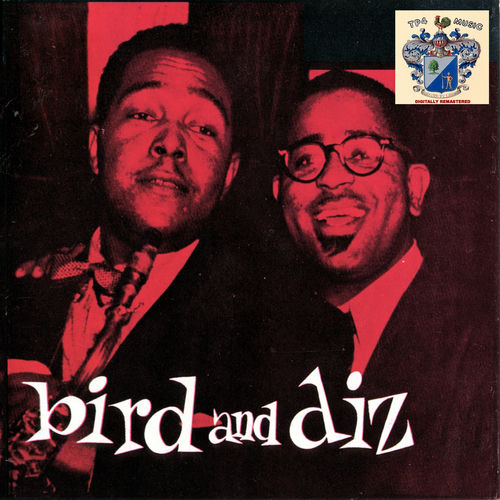
Charlie Parker and Dizzy Gillespie: Architects of Bebop Jazz
Charlie Parker and Dizzy Gillespie were the twin pioneers of the bebop movement, a revolutionary style of modern jazz that emerged in the 1940s. Hailing from the United States, their complex harmonies and blistering tempos redefined the genre, with their seminal recordings for labels like Savoy and Dial becoming the foundational texts for generations of musicians.
Early career
Alto saxophonist Charlie Parker, born in 1920 in Kansas City, developed his virtuosic style through relentless practice and jam session battles. Trumpeter Dizzy Gillespie, born in 1917 in Cheraw, South Carolina, honed his advanced harmonic knowledge and technical prowess while playing in big bands like those led by Cab Calloway. Their paths converged in New York City's after-hours clubs, where they, alongside pianists like Thelonious Monk, began crafting the bebop language away from the constraints of the swing era.
Breakthrough
The breakthrough for bebop and the Parker-Gillespie partnership crystallized in the mid-1940s. While they had recorded together earlier, their 1945 session for the Guild label, featuring "Salt Peanuts" and "Shaw 'Nuff," served as a manifesto. The subsequent years saw a flurry of legendary recordings, with Parker's series for the Savoy label, including the 1945 "Ko-Ko" session, and his work for Dial Records becoming particularly influential, though commercial chart success in the pop sense was limited to this niche, artistic movement.
Key tracks
Ko-Ko — Based on the chord changes of "Cherokee," this 1945 Savoy recording is a quintessential bebop anthem showcasing Parker's breathtaking improvisational speed and invention.
Salt Peanuts — A Gillespie composition famous for its manic, shouted refrain and complex rhythmic drive, it became a signature tune and a test piece for aspiring jazz players.
Yardbird Suite — This Parker original, recorded in 1946, highlights the lyrical and melodic beauty within bebop's often frenetic context, demonstrating the genre's full emotional range.
Night in Tunisia — Gillespie's exotic composition, featuring a famous Parker solo on the 1946 Dial recording, blended Afro-Cuban rhythms with sophisticated harmony, pointing toward future jazz directions.
Ornithology — Another Parker classic built on the chords of "How High the Moon," this song's title became one of Parker's nicknames and remains a standard jam session vehicle.
Their famed 1953 concert at Massey Hall in Toronto, released on the Debut label, captured the quintet in peak form and is often cited as one of the greatest live jazz recordings. Gillespie's career expanded into big band leadership and Afro-Cuban jazz explorations with musicians like Chano Pozo, while Parker's prolific output continued until his death in 1955, leaving a profound legacy on the Savoy, Dial, and Verve labels.
For fans of the intricate, high-energy bebop style of Charlie Parker and Dizzy Gillespie, the music of Bird is essential, as it directly continues Parker's saxophone lineage. The harmonic daring of Bud Powell on piano was integral to the bebop rhythm section. Later masters like Sonny Rollins built their monumental saxophone styles upon the foundation Parker laid. The virtuosic trumpet work of Clifford Brown further developed the lyrical and technical pathways Gillespie pioneered.
Their revolutionary bebop catalog maintains a constant presence on dedicated jazz radio stations, from public radio jazz programs to online specialty streams focusing on classic American music. The complex solos and timeless compositions of Parker and Gillespie are staples for DJs and hosts celebrating jazz history.
The groundbreaking bebop of Charlie Parker and Dizzy Gillespie continues to air on jazz stations featured on our website. Listeners can discover the enduring genius of these artists by tuning into the radio stations available on onairium.com.