

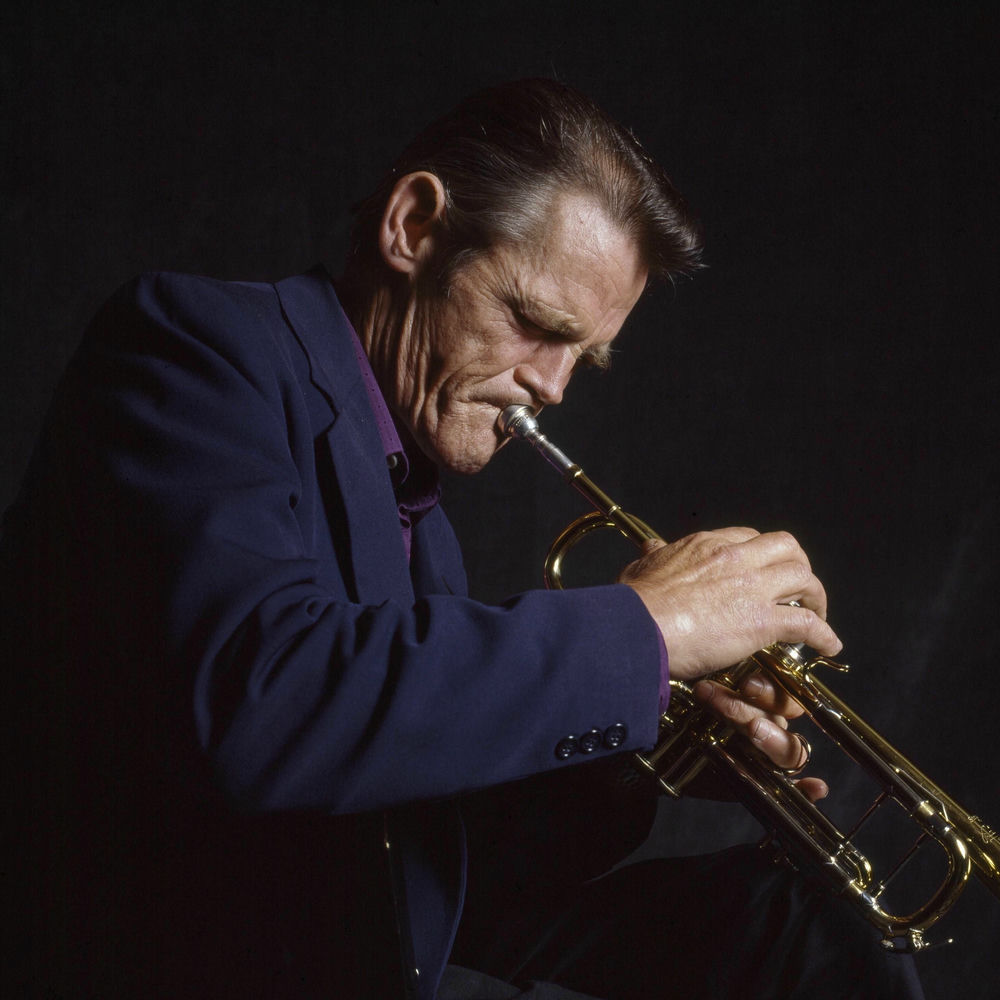
Chet Baker
Listen Chet Baker on radio stations:






Chet Baker: The Definitive Voice of West Coast Cool Jazz
Chet Baker was an American jazz trumpeter and vocalist who became a central figure in the West Coast cool jazz movement of the 1950s. His understated, lyrical playing and fragile vocal style defined a generation of jazz, though his career was famously marred by personal struggles with drug addiction.
Early career
Chet Baker was born in Yale, Oklahoma, in 1929 and first found musical direction in an Army band while stationed in Berlin. After his service, he immersed himself in the burgeoning Los Angeles jazz scene, playing in clubs and catching the ear of established musicians like saxophonist Charlie Parker, with whom he performed briefly in 1952.
Breakthrough
Baker's major breakthrough came in 1952 when he joined the Gerry Mulligan Quartet, a piano-less group that became a sensation. Their recording of My Funny Valentine, featuring Baker's iconic solo, became a signature hit and propelled him to stardom. Winning both the DownBeat and Metronome magazine polls as best new trumpeter in 1953, he soon launched a successful solo career, signing with the Pacific Jazz label.
Key tracks
My Funny Valentine - This 1952 recording with the Gerry Mulligan Quartet established Baker's melancholic trumpet sound as a jazz standard.
Let's Get Lost - The title track from his 1959 vocal album perfectly encapsulates his intimate, whisper-like singing style.
Time After Time - A prime example of his late-career resurgence, showcasing a deeper, more weathered but profoundly expressive vocal approach.
Almost Blue - His interpretation of this Elvis Costello ballad demonstrated his lasting influence and ability to connect with modern songwriting.
Throughout the late 1950s and 1960s, Baker's heroin addiction severely disrupted his career, leading to legal troubles, lost work permits, and periods of musical obscurity in Europe. He experienced a notable artistic revival in the 1970s and 1980s, recording extensively for European labels like SteepleChase and making celebrated returns to the United States. His later work, often featuring pianist Enrico Pieranunzi or guitarist Philip Catherine, revealed a more complex and somber artist, his trumpet tone darker and his voice ravaged but hauntingly effective.
Artists who share Chet Baker's introspective and melodic approach to jazz include Gerry Mulligan, whose baritone saxophone was a perfect counterpoint to Baker's trumpet. The lyrical trumpet work of Miles Davis, particularly in his early cool period, runs parallel to Baker's style. For listeners drawn to intimate jazz vocals, the work of Billie Holiday shares a similar emotional directness and vulnerability.
Chet Baker's music remains a staple on jazz radio formats, from dedicated cool jazz programs to broader historical retrospectives. His recordings continue to be discovered by new audiences, ensuring his legacy as a uniquely influential voice in American music endures on airwaves worldwide.
