Coşkun Sabah
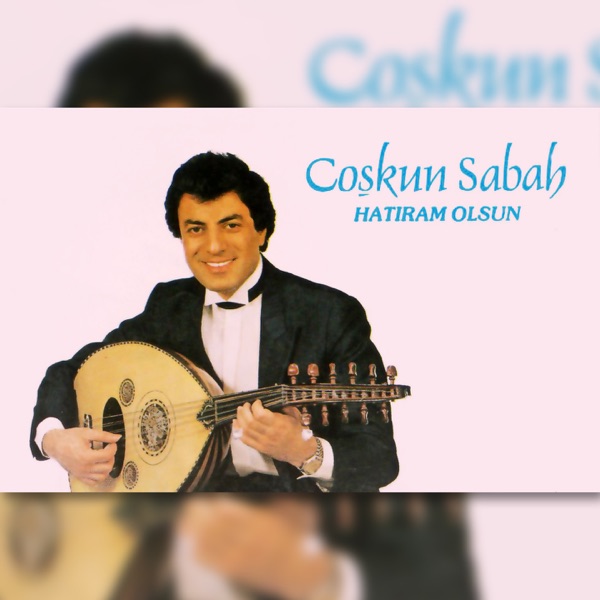
Coşkun Sabah: The Maestro of Turkish Classical and Folk Music
Coşkun Sabah is a celebrated Turkish composer, vocalist, and virtuoso of the ud, a traditional Middle Eastern lute. Hailing from Istanbul, his career spans over five decades, marked by his profound influence on Turkish classical and arabesque music and the commercial success of his numerous instrumental and vocal albums.
Early career
Born in 1950 in Istanbul, Coşkun Sabah was immersed in music from childhood, learning the ud from his older brother, the noted musician Ahmet Sabah. His formal training began at the Istanbul Municipal Conservatory, where he honed his skills in Turkish classical music theory and performance. His professional journey started in the late 1960s, performing in various music halls and quickly gaining a reputation as a gifted instrumentalist and arranger.
Breakthrough
Sabah's major breakthrough came in the mid-1970s with his instrumental album "Gönül Dostum," which showcased his masterful ud technique and melodic composition. This release, often associated with the Kervan Plak label, established him as a leading soloist and brought instrumental Turkish music to a wider mainstream audience. His subsequent albums throughout the late 1970s and 1980s consistently achieved strong sales, earning several gold certifications in Turkey.
Key tracks
Gönül Dostum — This instrumental title track became his signature piece, defining his emotive and accessible style on the ud.
Bir Zamanlar — A poignant vocal performance that highlighted his skills as a singer and songwriter within the arabesque genre.
İşte Gidiyorum — A classic folk song interpretation where Sabah's ud arrangement became the definitive version for many listeners.
Yarim İstanbul'u Mesken Mi Tuttun — This track exemplifies his ability to reinterpret traditional Turkish folk songs with sophisticated classical instrumentation.
Throughout the 1990s and 2000s, Coşkun Sabah remained prolific, releasing albums like "Miras" and "Dostluk," which often blended classical forms with contemporary sounds. He has collaborated with a who's who of Turkish music, including vocal legends like Müzeyyen Senar and Emel Sayın, both as an accompanist and a featured artist. His work as a composer for film and television further cemented his status in the industry.
Artists with a similar dedication to the fusion of Turkish classical and contemporary folk include Orhan Gencebay, a pioneer of the arabesque genre who also masterfully plays the ud. İbrahim Tatlıses shares Sabah's deep roots in folk music and has recorded many songs featuring intricate ud arrangements. The instrumental focus can be heard in the work of Burhan Toprak, another virtuoso instrumentalist known for his saz and ud performances.
Coşkun Sabah's rich catalog is a staple on Turkish music radio stations, from national FM broadcasters specializing in classic Turkish pop and folk to dedicated online radio streams focusing on instrumental and classical repertoires. His music provides essential cultural texture and melodic depth to any programming focused on the sounds of Turkey.
The music of Coşkun Sabah, from his timeless ud instrumentals to his heartfelt vocal works, can be heard on radio stations featured on our website. Listeners can discover the depth of this Turkish artist's catalog through the various radio stations available on onairium.com.