Crass: The Architects of Anarcho-Punk
Crass was a pioneering English anarcho-punk collective formed in 1977. They are best known for their radical politics, DIY ethic, and establishing the influential Crass Records label.
Early career
The group formed in Dial House, an Essex commune, bringing together musicians, artists, and activists. Their early sound was a raw, confrontational blend of punk rock, experimental noise, and stark political diatribes.
Breakthrough
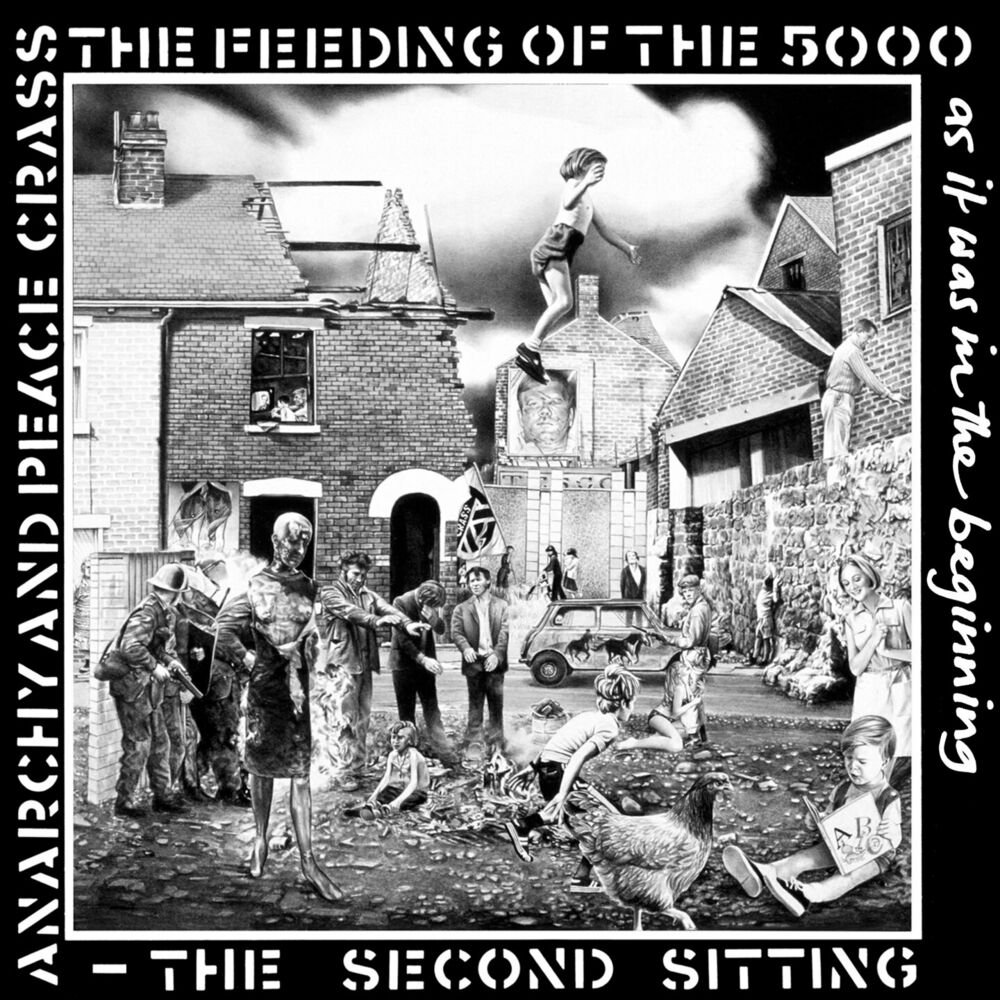
Crass's 1978 debut single Reality Asylum/Shaved Women, released on their own Small Wonder imprint, was a shocking manifesto that set their agenda. Their true breakthrough came with 1979's The Feeding of the 5000, the first release on Crass Records, which defined the anarcho-punk genre with its relentless critique of state, religion, and war.
Key tracks
Reality Asylum - This debut A-side was a blasphemous attack on institutional religion that led to manufacturing problems and established their militant stance.
Banned from the Roxy - A direct critique of the commercialized punk scene, signaling their separation from mainstream punk trends.
Do They Owe Us a Living? - Arguably their most famous anthem, a catchy, rhetorical challenge to capitalist exploitation from The Feeding of the 5000.
Big A Little A - This 1981 single outlined their "thatchergate" tape strategy and promoted direct action and squatting.
How Does It Feel? - A scathing, slow-burning indictment of privilege and colonialism from their 1982 album Christ - The Album.
Their output was prolific, including albums like Stations of the Crass (1979) and Penisp Envy (1981), the latter controversially credited to a fictional female band. Crass engaged in high-profile political campaigns, including their infamous "Thatchergate" tape hoax, and consistently advocated for pacifism, animal rights, and direct action.
The collective announced their end in 1984, playing a final gig in 1984, and officially disbanded, leaving behind a profound legacy on underground music and political activism. Their DIY approach, from record pressing to graphic art, became a blueprint for independent artists.
Listeners who appreciate the politically charged, DIY spirit of Crass might also explore Conflict, another key anarcho-punk band from the same era and scene. The experimental and abrasive side of their work finds parallels in Rudimentary Peni, known for their dark, minimalist punk art. The feminist politics explored on Penisp Envy connect to the work of Poison Girls, their close collaborators and contemporaries.