cuarteto cedron
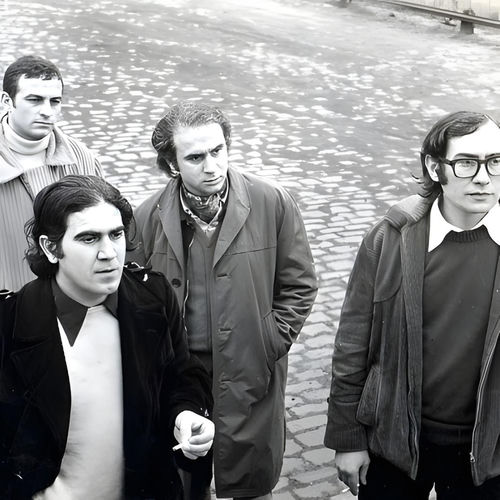
Cuarteto Cedrón: The Vanguard of Argentine Tango and Folk
Cuarteto Cedrón is an influential Argentine musical ensemble that has redefined the boundaries of tango and folk music for over five decades. Hailing from Buenos Aires, the group, led by composer and vocalist Juan "Tata" Cedrón, is celebrated for its politically charged lyrics and innovative fusion of traditional forms with jazz and other genres.
Early career
The group's origins trace back to 1964 in Buenos Aires, founded by Juan "Tata" Cedrón alongside his brother Jorge on guitar. Their initial formation was deeply rooted in the local milonga and café culture, drawing from classic tango but infused with a contemporary, intellectual spirit. Early performances in underground venues and universities established their reputation as musical innovators with a strong social conscience, leading to their first recordings in the late 1960s.
Breakthrough
The quartet's definitive breakthrough came with their 1974 album Cuando llegue el día, a powerful work released just before the onset of Argentina's military dictatorship. Its poignant, socially critical lyrics, often setting poems by figures like Juan Gelman to music, resonated deeply, though the political climate soon forced the group into exile in France in 1976. This period of exile solidified their international stature, with performances across Europe cementing their unique sound.
Key tracks
Cuando llegue el día — The title track of their seminal 1974 album is a haunting anthem of hope and resistance that became a signature of their early period.
Se acabó la diversión — This track exemplifies their fusion of tango with jazz improvisation, featuring complex musical arrangements and sharp lyrical commentary.
Milonga del moro judío — A profound adaptation of a poem by Jorge Luis Borges, showcasing their skill in transforming literary works into powerful musical pieces.
La gotita — A classic example of their ability to blend humor and social observation within a traditional tango and milonga framework.
Throughout the 1980s and beyond, Cuarteto Cedrón maintained a prolific output, releasing albums like Alma de tango and Corazón de tango for labels such as Le Chant du Monde. Their return to Argentina in the democratic era saw them celebrated as national cultural treasures, performing at major venues and festivals. Collaborations with musicians like bandoneonist César Stroscio and French jazz saxophonist Michel Portal further highlighted their cross-genre appeal and technical mastery.
Artists exploring a similar fusion of traditional Argentine music with modern and political themes include Astor Piazzolla, who revolutionized tango with nuevo tango. Mercedes Sosa shared a deep commitment to folk music as a vehicle for social commentary. Los Fabulosos Cadillacs also blend Latin rhythms with ska and rock, carrying forward a legacy of musical and lyrical innovation.
The music of Cuarteto Cedrón holds a permanent place on radio stations dedicated to world music, Latin American folk, and sophisticated tango programming. Their rich catalog is a staple on specialty shows that explore the depth of Argentine culture and the evolution of protest music, ensuring their voice reaches new generations of listeners.
Listeners can explore the profound musical legacy of Cuarteto Cedrón through the curated world music and Latin American folk stations available on onairium.com, where their iconic fusion of tango, poetry, and jazz continues to inspire.