Cultureclub
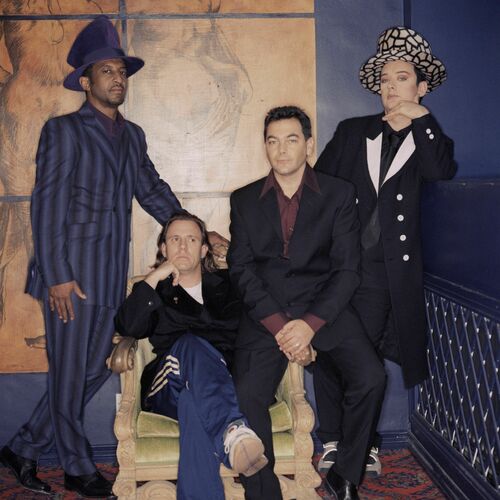
Cultureclub: The German Synthpop & New Wave Project
Cultureclub is a German synthpop and new wave music project formed by producer and musician Oliver W. Riedel. Emerging from the vibrant Berlin electronic scene, the artist carved a distinct niche with a sound that blends melancholic melodies with driving dancefloor rhythms. Their most significant commercial achievement came with the 1991 album "Happiness", which achieved gold status in Germany and spawned several enduring club hits.
Early career
Cultureclub was founded in 1989 in West Berlin by Oliver W. Riedel, who was concurrently the bassist for the influential industrial metal band Rammstein. Seeking an outlet for his passion for classic 80s synthpop, Riedel established Cultureclub as a solo studio project. The debut album, "Love Is the Answer", was released in 1990 on the independent label Motor Music, introducing a polished, radio-friendly synth sound that stood in contrast to the heavier music of his other band.
Breakthrough
The project's major breakthrough arrived in 1991 with the sophomore album "Happiness". Released via Motor Music, the record resonated powerfully with audiences in Germany and across Europe. Fueled by catchy singles and consistent radio play, "Happiness" was certified gold, signifying sales of over 250,000 copies in Germany alone and establishing Cultureclub as a serious force in the synthpop revival.
Key tracks
I Love You — This 1991 single became the project's signature song, a defining anthem of the era that remains a staple on German-language radio and 90s retrospectives.
Heaven's in the Backseat of My Cadillac — A key track from the "Happiness" album, it showcased Cultureclub's adept fusion of American rock and roll imagery with European electronic production.
Mr. DJ — This later single, released in 1995, demonstrated the project's evolution, incorporating stronger house music influences while retaining its characteristic melodic vocal hooks.
Animal — Featured on the 1993 album "Colour", this track highlighted a slightly darker, more experimental edge within the project's accessible pop framework.
Following the success of "Happiness", Cultureclub released the album "Colour" in 1993, which continued their chart presence. Activity slowed in the late 1990s as Riedel's commitments to Rammstein intensified, but the project was never officially disbanded. The music of Cultureclub has experienced a notable resurgence in popularity alongside the wider revival of 80s and 90s synthwave, introducing their work to a new generation of listeners. Their catalog, including compilations like "The Best Of", continues to sell, affirming the lasting appeal of their meticulously crafted synthpop.
Fans of Cultureclub's melodic and danceable German synthpop often appreciate the work of similar artists. Camouflage shares a foundational sound rooted in melancholic melodies and electronic beats. And One operates in a similar electro-industrial and synthpop domain with a strong focus on club energy. Wolfsheim offers a more atmospheric and lyrical approach within the German darkwave and synthpop tradition. De/Vision represents another pillar of the German electronic pop scene, known for their consistent output and emotive songwriting.
Cultureclub's music maintains a steady presence on radio, particularly on stations specializing in classic hits, 80s and 90s retro formats, and dedicated synthpop or new wave online streams. Their tracks are regularly featured in the playlists of European FM stations that celebrate pop and electronic music history, as well as on independent internet radio stations focused on alternative dance genres.
Listeners can explore the distinctive synthpop sound of Cultureclub through the various radio stations featured on our website. Tune in to onairium.com to discover their classic hits and experience a defining chapter of German electronic music on air now.