

Dead Can Dance: Architects of Ethereal and World Music Fusion
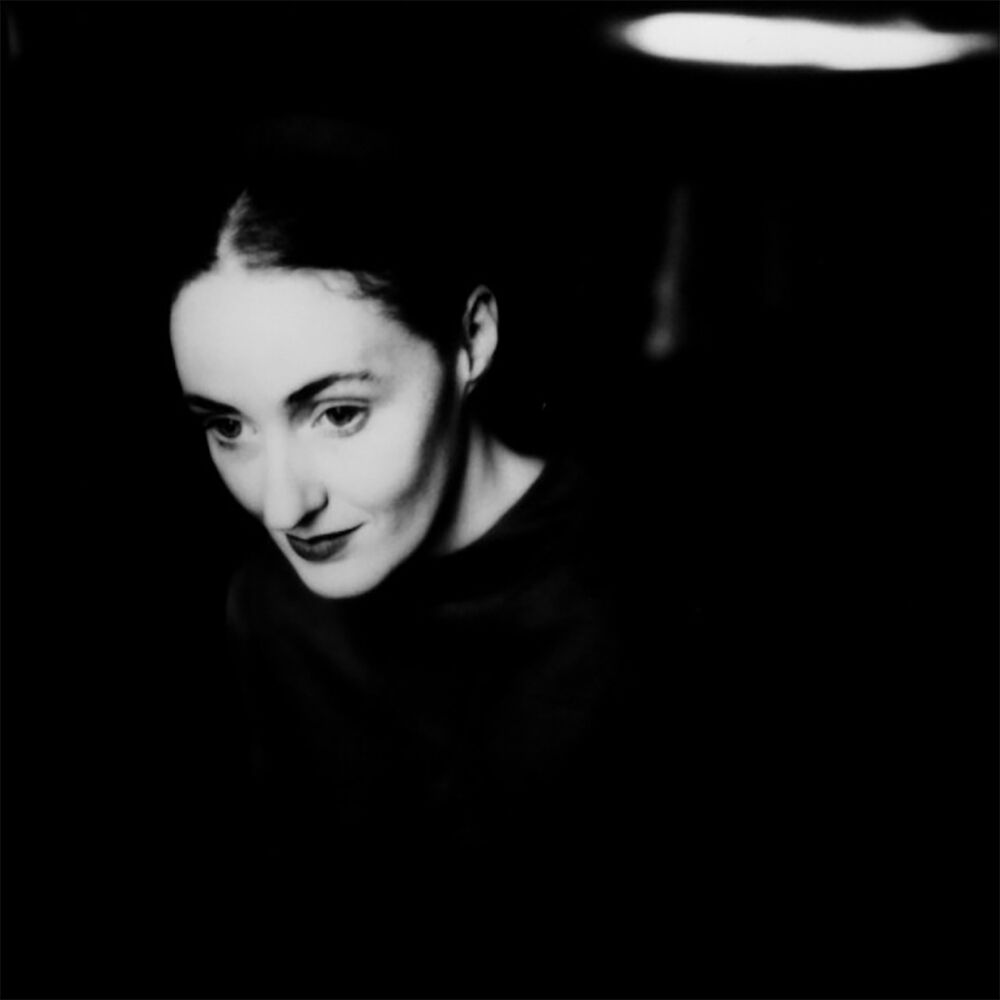
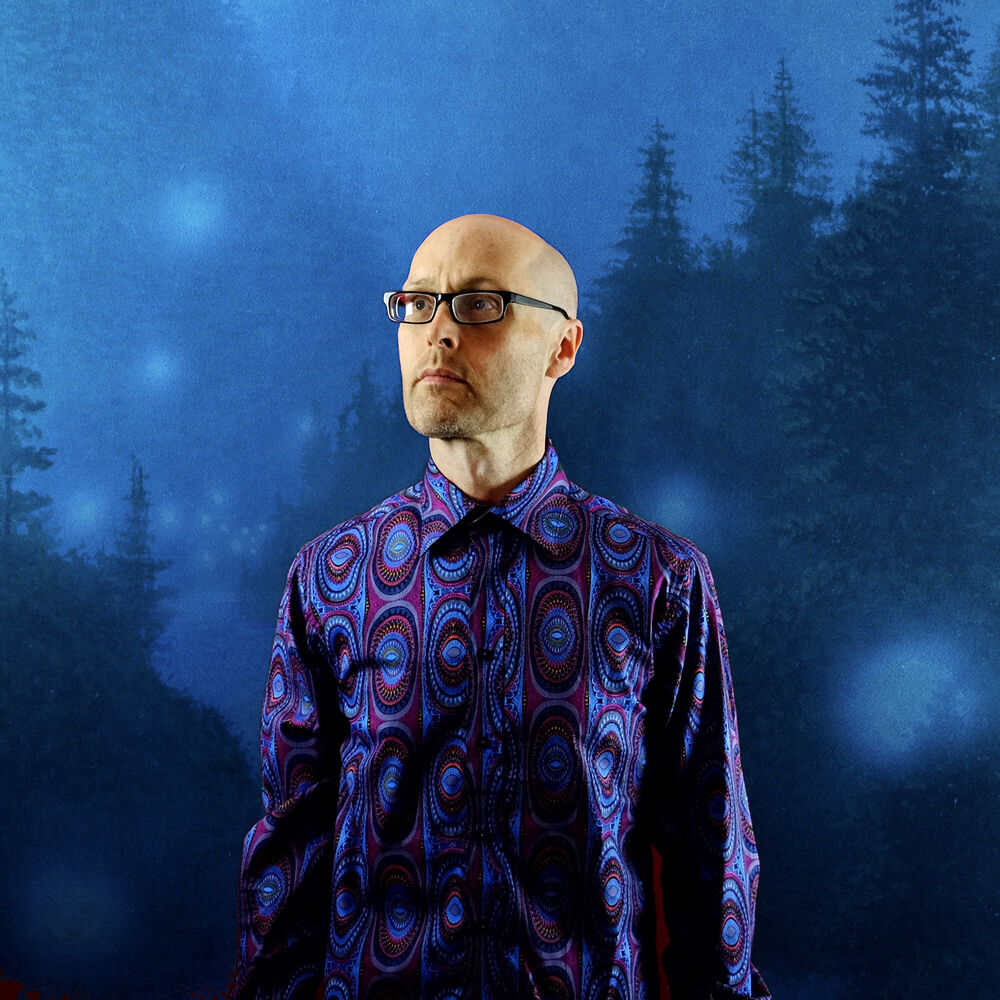
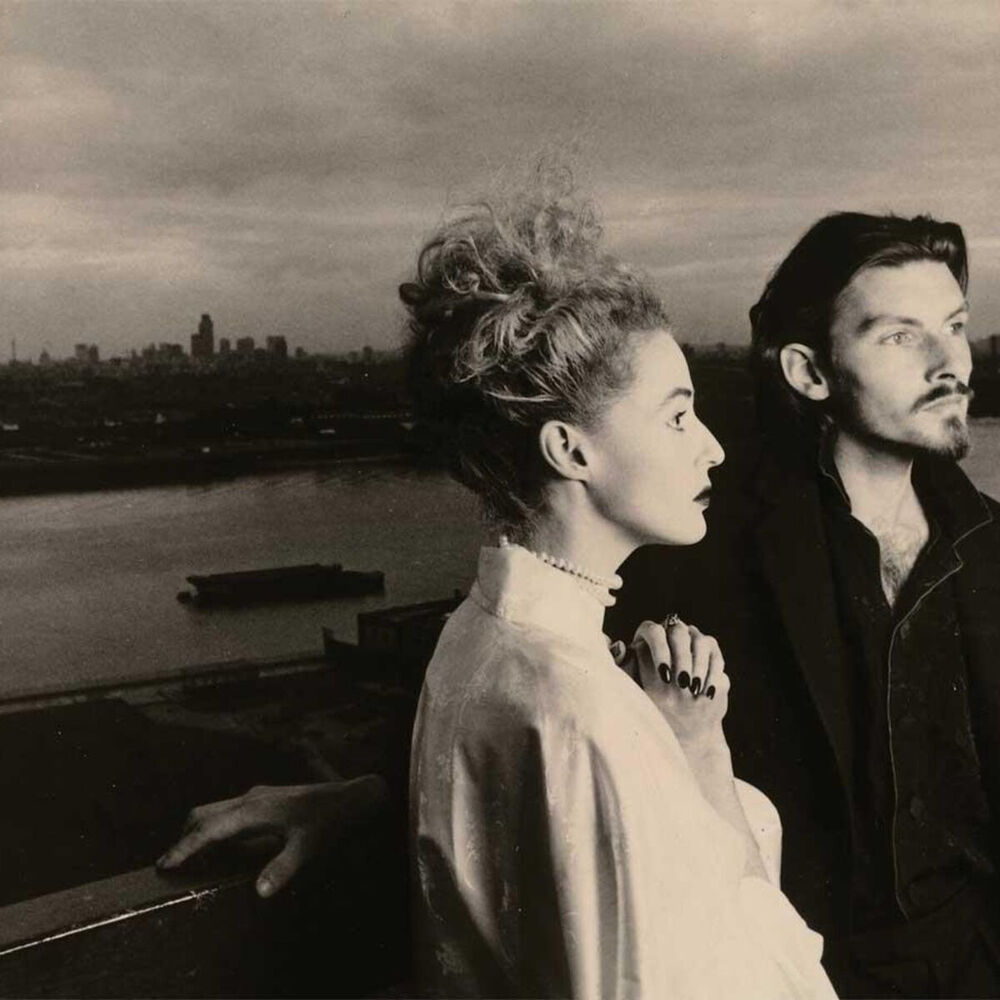
Dead Can Dance is an Australian-British musical project that forged a unique path in the post-punk and alternative landscape. Formed in Melbourne in 1981, the duo of Lisa Gerrard and Brendan Perry are celebrated for their profound, genre-defying albums that blend ancient and modern sounds.
Early career
The group formed in 1981 after Lisa Gerrard and Brendan Perry met in the vibrant Melbourne post-punk scene. Sharing a dissatisfaction with conventional rock, they chose the evocative name Dead Can Dance, suggesting that even inanimate objects could hold rhythm and life. They relocated to London in 1982 and secured a deal with the influential independent label 4AD, releasing their self-titled debut album in 1984.
Breakthrough
Dead Can Dance's breakthrough to a wider audience crystallized with their 1988 album The Serpent's Egg. This record fully realized their signature sound, moving decisively away from their post-punk roots into a rich tapestry of medieval, Middle Eastern, and neoclassical influences. The album's atmospheric depth, built around Gerrard's glossolalic vocals and Perry's baritone, established them as pioneers of what would be termed ethereal wave and neoclassical darkwave.
Key tracks
The Host of Seraphim - This monumental track from The Serpent's Egg is a career-defining piece, featuring Lisa Gerrard's wordless, soaring vocals over a drone-like backdrop, achieving a powerfully spiritual and cinematic quality.
Yulunga (Spirit Dance) - The opening track from 1993's Into the Labyrinth perfectly encapsulates their world music fusion, combining ritualistic percussion with Gerrard's vocalizations to create a trance-inducing atmosphere.
The Carnival Is Over - A standout from 1985's Spleen and Ideal, this song marked their early transition into darker, more orchestral territory, showcasing Perry's melancholic songwriting and the duo's growing compositional ambition.
Sanvean - Originally an instrumental piece performed live, this Lisa Gerrard composition became one of her most beloved solo pieces, epitomizing the melancholic and hymnal quality of her contributions to the Dead Can Dance canon.
Rakim - A Brendan Perry-led track from 1996's Spiritchaser, it highlights the duo's exploration of rhythmic, dance-inflected world music, featuring complex percussion patterns and a hypnotic groove.
Throughout the 1990s, Dead Can Dance released a series of acclaimed albums including Aion (1990) and Into the Labyrinth (1993), the latter being their first album created without external musicians. The duo embarked on a period of hiatus after 1996's Spiritchaser, pursuing successful solo careers, with Gerrard notably contributing to film scores like Gladiator. They reunited for celebrated world tours in 2005 and 2012, and released a new studio album, Anastasis, in 2012, their first in 16 years, followed by Dionysus in 2018.
Fans of Dead Can Dance's atmospheric and genre-blending approach may also appreciate the meditative work of Cocteau Twins, who similarly defined the ethereal wave sound on the 4AD label. The neoclassical and dark ambient textures of This Mortal Coil, another 4AD collective, share a comparable aesthetic depth. For explorations of mystical folk and world music, the output of Heilung offers a more intense, primal ritualistic experience. The atmospheric and historical-inspired compositions of Arcana also travel similar neoclassical darkwave paths.
The music of Dead Can Dance, with its timeless and borderless quality, continues to resonate on specialty radio formats, including online radio streams dedicated to ambient, world, and