Dick Dale And His Del-Tones
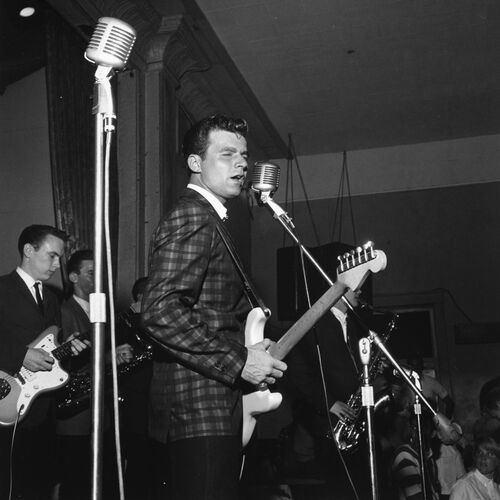
Dick Dale And His Del-Tones: The King of Surf Guitar
Dick Dale And His Del-Tones were the pioneering American instrumental group that defined the sound of surf rock in the early 1960s. Hailing from Boston but forging their legend in Southern California, the band's main achievement was creating a raw, reverb-drenched guitar style that influenced generations, most famously heard on their 1962 hit Misirlou.
Early career
Dick Dale, born Richard Monsour in 1937, began playing guitar after his family moved to Southern California. He developed his signature loud, staccato picking style by trying to emulate the sound of surf waves, first testing his powerful sound with his band The Del-Tones at the Rendezvous Ballroom in Balboa, California.
His early releases on the Deltone label, which he co-founded with his father, included the 1961 single Let's Go Trippin', a regional hit that is often cited as the first true surf rock record. This local success caught the attention of Capitol Records, who signed the act.
Breakthrough
The band's national breakthrough came in 1962 with the single Misirlou, released on Capitol. Originally a traditional Eastern Mediterranean melody, Dale's blisteringly fast, single-note rendition on the Fender Stratocaster became an instant sensation, defining the aggressive tone of surf guitar.
Although it did not chart in the Top 40 nationally, Misirlou became a cultural touchstone and the band's signature song, later experiencing a massive resurgence in 1994 when it was featured in the opening credits of the film Pulp Fiction. Their debut album, Surfer's Choice, initially on Deltone and later reissued by Capitol, solidified their status.
Key tracks
Misirlou — This 1962 single is the definitive surf guitar anthem, showcasing Dale's revolutionary fast-picking technique and heavy use of spring reverb.
Let's Go Trippin' — Often called the first surf rock hit, this 1961 instrumental laid the groundwork for the genre's driving rhythm and clean guitar sound.
Surf Beat — A key track from their debut album, it perfectly captures the live, energetic atmosphere of their legendary Rendezvous Ballroom performances.
The Scavenger — This later recording highlights Dale's continued innovation and mastery of the surf genre, maintaining his powerful, percussive style.
Following the peak of the surf craze, Dale continued to perform and record, though he stepped back from the mainstream spotlight. He remained a revered live performer, known for his incredibly loud shows and advocacy for Fender musical equipment, directly influencing the development of the Fender Showman amplifier.
His career experienced a major revival in the 1990s, spurred by the use of Misirlou in Pulp Fiction and collaborations with bands like the Pixies and Agent Orange. He released new albums like Tribal Thunder in 1993 and Unknown Territory in 1994, proving the enduring power of his sound.
For fans of the raw, instrumental drive of classic surf rock, similar artists include The Ventures, who crafted cleaner, more melodic instrumental hits. The Surfaris are essential for their iconic drum track on Wipe Out. The Chantays delivered the classic pipeline sound with Pipeline. Jan and Dean blended surf instrumentals with vocal harmonies for a pop-oriented take on the California sound.
The music of Dick Dale And His Del-Tones remains a staple on classic rock FM stations, specialty surf rock programs, and online rock radio streams that celebrate the roots of guitar-driven music. Their tracks are regularly featured in rotations dedicated to foundational rock and roll and instrumental guitar excellence.
Listeners can discover the powerful sound of Dick Dale And His Del-Tones, the true King of the Surf Guitar, on the classic rock and specialty genre radio stations available right here on onairium.com.