Die Goldene Sieben
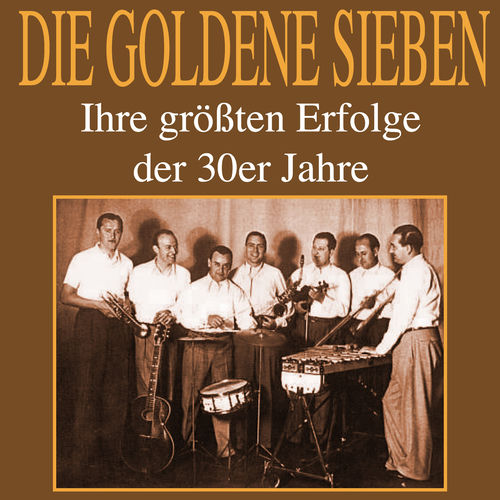
Die Goldene Sieben: The Swing Kings of German Dance Music
Die Goldene Sieben was a premier German dance and entertainment orchestra that defined the sound of an era, achieving immense popularity from the late 1930s through the post-war years. Originating from Berlin, the ensemble became a household name through prolific recordings for Telefunken and regular radio broadcasts, selling millions of records and providing the soundtrack for a nation seeking escapism and rhythm.
Early career
The orchestra was officially formed in 1938 under the leadership of conductor and violinist Heinz Wehner, though its roots trace back to earlier radio dance bands. Based in the vibrant cultural heart of Berlin, the group was assembled from top session musicians to provide sophisticated dance music for the state-controlled radio station Reichssender Berlin, where they quickly became a staple act.
Breakthrough
Their breakthrough was cemented through their immediate and sustained presence on the airwaves, becoming one of the most frequently broadcast orchestras in Germany. While specific chart data from the period is scarce, their commercial success was undeniable, with numerous 78 rpm records on the Telefunken label achieving massive sales, effectively making them a "chart" success through sheer popularity and radio rotation during the late 1930s and early 1940s.
Key tracks
Kauf Dir Einen Bunten Luftballon — This cheerful 1939 hit, featuring vocalist Rudi Schuricke, exemplifies the orchestra's signature light, melodic swing style that captivated audiences.
Goodbye, Johnny — A standout instrumental track showcasing the band's tight, jazz-inflected arrangements and sophisticated musicality beyond simple dance fare.
Wir Machen Musik — The title translates to "We Make Music," serving as an apt anthem for the ensemble's core mission of providing elegant, accessible entertainment.
Schön Ist Die Liebe Im Hafen — Another major pre-war success featuring Schuricke's vocals, highlighting the romantic, sometimes nostalgic vein in their repertoire.
The orchestra's activities were interrupted by World War II but resumed afterwards, with Heinz Wehner reforming the group to continue recording and performing into the 1950s. They adapted to the changing musical landscape, maintaining relevance by incorporating new rhythms while staying true to their polished, danceable sound, and left behind a vast catalog of recordings that document German popular music history.
Fans of the elegant, swing-influenced sound of Die Goldene Sieben should also explore the work of similar German dance orchestras of the era. Max Greger led a similarly popular and long-lasting big band specializing in swing and dance music. James Last later perfected the art of the accessible, non-stop dance orchestra, though with a more modern pop sensibility. Paul Kuhn was another pivotal bandleader and pianist who mastered the blend of jazz and entertainment music. For the vocal charm synonymous with the era, listen to recordings by Rudi Schuricke, the frequent vocalist for Die Goldene Sieben who also had a massive solo career.
Die Goldene Sieben's timeless dance records maintain a steady presence on specialized radio formats, particularly on stations dedicated to classic entertainment, historical pop, and vintage swing music. Their work is a fixture on online streams and FM stations that curate music from the early to mid-20th century, ensuring their sophisticated arrangements continue to reach new generations of listeners.
The music of Die Goldene Sieben, a cornerstone of German entertainment orchestration, can be heard on various radio stations featured on our website. Listeners can discover the classic swing and dance sounds of this iconic ensemble by tuning into the dedicated vintage music stations available on onairium.com.