
Die Goldene Sieben: Germany's Pioneering Swing & Dance Orchestra
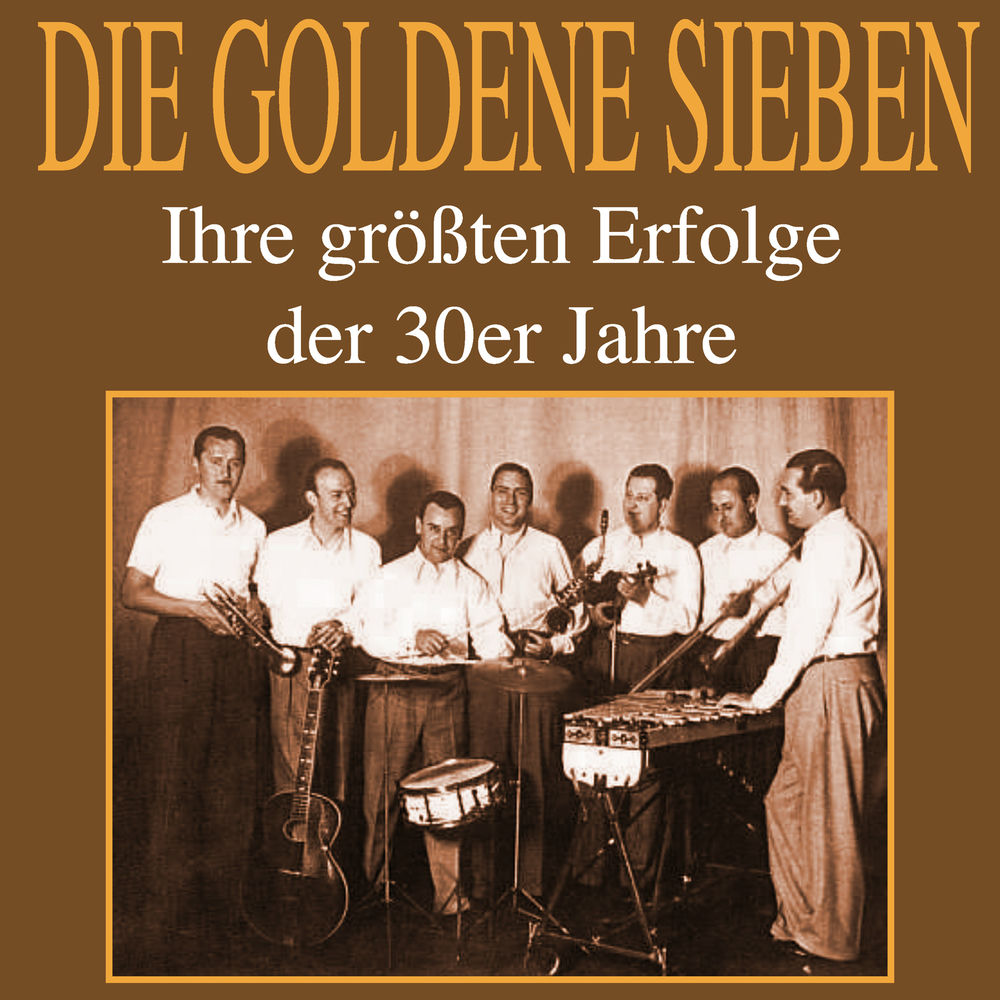
Die Goldene Sieben was a seminal German dance and swing orchestra active from the 1930s through the 1950s. Hailing from Germany, the ensemble achieved major commercial success, becoming one of the country's most popular pre-war bands and leaving a lasting legacy on its popular music landscape.
Early career
The orchestra was formed in 1934 under the leadership of trumpeter and composer Kurt Hohenberger. The name, translating to "The Golden Seven," was chosen to signify the group's original seven members, though it expanded over time. They quickly secured a residency at Berlin's famed "Haus Vaterland," establishing their reputation as a top live act with a sophisticated, jazz-influenced sound.
Their early recordings for the Electrola label showcased a polished, accessible style that blended traditional German dance music with the rhythmic drive of American swing. This period laid the groundwork for their national breakthrough, as radio broadcasts helped spread their music across the country.
Breakthrough
The band's major breakthrough came in 1936-1937 with a string of hit recordings. Their precise arrangements and melodic sensibility resonated widely, leading to significant record sales. While exact certifications from the era are scarce, their dominance on the German pop charts of the late 1930s is well-documented, making them household names.
Die Goldene Sieben maintained a prolific output for Electrola, releasing numerous 78 rpm records that consistently sold well. Their ability to adapt international jazz and swing trends for a German audience, while navigating the complex cultural policies of the time, was key to their sustained popularity.
Key tracks
Guten Abend, gute Nacht — This lush instrumental version of the famous lullaby became one of their signature tunes, demonstrating their skill at reimagining familiar melodies.
Zu dir, zu mir, zum Tanz — A quintessential dance number that captured the lively spirit of their live performances and radio sets.
Schön ist die Liebe im Hafen — A hit record that highlighted the orchestra's romantic, cinematic sound and broad appeal.
Heute an Bord — This track exemplified their incorporation of nautical themes, a popular motif in the dance music of the era.
The orchestra's activities were inevitably impacted by World War II, though they continued to record and perform. In the post-war years, they successfully adapted to the new musical climate, recording for the Polydor label and remaining a popular act into the early 1950s. Their influence persisted as a foundational reference for later German dance and easy listening orchestras.
For fans of the classic German dance orchestra sound, explore similar artists like Max Greger who led a famous big band in the following decades. The sophisticated arrangements of James Last also share a lineage with this style. For the swing-infused pop of the era, listen to Lale Andersen, and for another pivotal orchestra, try Die Willy Berking Orchester.
The music of Die Goldene Sieben remains a staple on dedicated radio formats, particularly on stations focusing on historical pop, classic dance orchestras, and German musical heritage. Their recordings are regularly featured in programming that highlights the pre-war and post-war golden age of popular music.
You can hear the timeless swing of Die Goldene Sieben on radio stations featured on our website. Listeners can discover this pioneering orchestra through the curated historical music stations available on onairium.com.