Dominguinhos
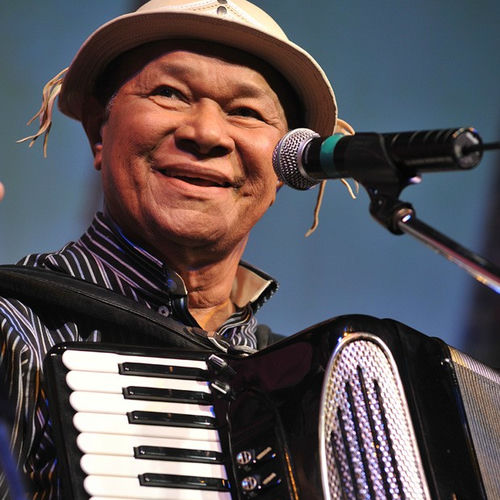
Dominguinhos: The Master of Brazilian Forró
Dominguinhos was a legendary Brazilian singer, songwriter, and accordionist who became a national icon of forró music. Hailing from Pernambuco, his career spanned over five decades, marked by classic albums like "Lamento Sertanejo" and a profound influence that earned him multiple Latin Grammy awards.
Early career
Born José Domingos de Morais in 1941 in Garanhuns, Pernambuco, he was a musical prodigy from childhood, mastering the accordion. His talent was recognized early by Luiz Gonzaga, the "King of Baião," who gifted him an accordion and became a mentor, effectively launching the young artist's professional journey in the late 1950s.
Breakthrough
Dominguinhos's true breakthrough came in the 1970s as he modernized the traditional forró sound. His 1973 album "Lamento Sertanejo," featuring the hit title track co-written with Anastácia, became a landmark, solidifying his reputation as a leading voice of his generation within the genre and achieving significant commercial success across Brazil.
Key tracks
Lamento Sertanejo — This 1973 classic, a duet with Anastácia, is arguably his signature song and a cornerstone of modern forró.
Eu Só Quero um Xodó — His iconic interpretation of this Gilberto Gil and Anastácia composition became a massive national hit and a standard of Brazilian music.
Tenho Sede — A quintessential Dominguinhos original that showcases his virtuosic accordion playing and soulful vocal delivery.
Isso Aqui Tá Bom Demais — A lively, celebratory track that exemplifies the infectious, danceable rhythm of his forró pé-de-serra style.
Quem Me Levará Sou Eu — This later-career hit, recorded with Chitãozinho & Xororó, demonstrates his enduring relevance and cross-genre appeal.
Throughout the 1980s and 1990s, Dominguinhos released a prolific series of acclaimed albums for labels like RCA and BMG, collaborating with giants of MPB like Elba Ramalho, Gilberto Gil, and Caetano Veloso. His 1997 live album "Você Vai Ver o Que É Bom" was certified gold, and he won the Latin Grammy for Best Regional Album (Forró) in 2002 for "Chegando de Mansinho."
Artists who share Dominguinhos's deep roots in Northeastern Brazilian music include Luiz Gonzaga was his mentor and the foundational king of the baião and forró genres. Elba Ramalho frequently collaborated with him, sharing a modern yet traditional approach to the forró and Northeastern songbook. Sivuca was a fellow accordion virtuoso who expertly blended forró with jazz and international influences. Alceu Valença explores a similarly psychedelic and rock-influenced take on the traditional music of Pernambuco.
Dominguinhos's vibrant forró catalog maintains a strong presence on radio, featured on Brazilian music stations, international world music programs, and dedicated online streams that celebrate Latin American folk traditions. His timeless songs are staples on playlists that explore the rich tapestry of regional Brazilian rhythms.
The music of Dominguinhos, a cornerstone of Brazilian forró, can be heard on radio stations featured on our website. Listeners can discover or enjoy his extensive discography through the Brazilian and world music radio stations available on onairium.com.