Dorothy Ashby: The Pioneering Jazz Harpist
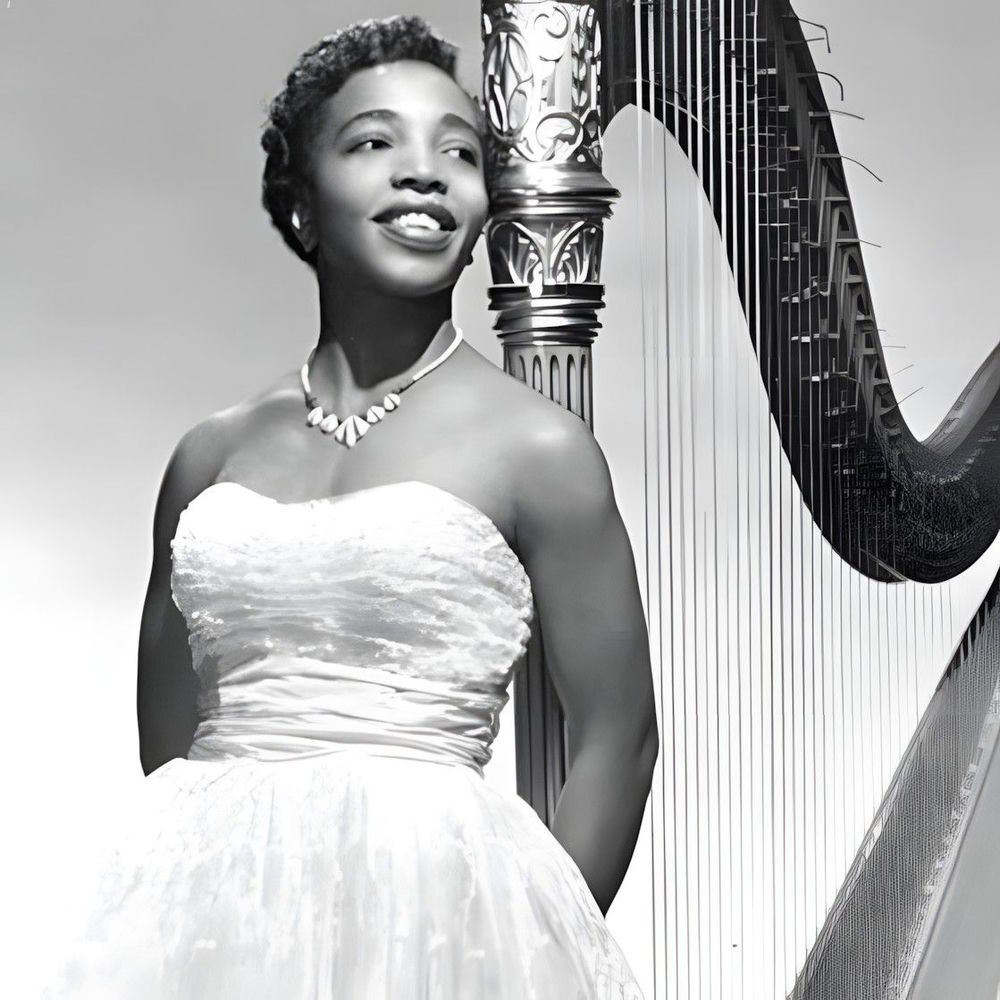
Dorothy Ashby was an American jazz harpist, composer, and vocalist who revolutionized the role of the harp in modern music. Hailing from Detroit, Michigan, her most significant achievement was establishing the harp as a credible solo and improvisational instrument within the hard bop, soul jazz, and crossover genres.
Early career
Born in 1932, Dorothy Ashby grew up in Detroit's vibrant music scene, a city that also nurtured other jazz greats. She studied piano and saxophone before dedicating herself to the harp, an instrument then largely confined to classical music or novelty roles in jazz. Her first albums, The Jazz Harpist (1957) and Hip Harp (1958), were released on the Regent and Prestige labels, showcasing her early mastery.
Breakthrough
Ashby's artistic and commercial breakthrough came in the late 1960s with a series of innovative albums for the Cadet label, a subsidiary of Chess Records. While not major pop chart hits, albums like Afro-Harping (1968) and The Rubáiyát of Dorothy Ashby (1970) found critical acclaim and a dedicated audience by blending jazz with soul, funk, and world music influences, expanding her reach beyond traditional jazz circles.
Key tracks
Pawky — This track from her debut album announced her arrival with a confident, bebop-influenced style on the harp.
Afro-Harping — The title track from her 1968 album epitomizes her fusion of jazz harp with funky rhythms and African-inspired motifs.
The Moving Finger — From The Rubáiyát of Dorothy Ashby, this piece highlights her pioneering use of the Japanese koto alongside her harp and vocals.
Essence of Sapphire — A later career composition that demonstrates her sophisticated approach to melody and rhythm in a small group setting.
Throughout the 1970s, Dorothy Ashby's career expanded through high-profile collaborations, moving beyond the jazz world. She recorded and performed with artists like Stevie Wonder, playing harp on his song If It's Magic from the 1976 album Songs in the Key of Life. She also worked with Bill Withers, Freddie Hubbard, and soul singer Bobby Womack, cementing her reputation as a versatile and in-demand musician.
Her influence extended into the 1980s as hip-hop producers began sampling her rich, textured recordings. Tracks from albums like Afro-Harping have been sampled by numerous artists, introducing her sound to new generations and solidifying her legacy as a hidden architect of modern music. Dorothy Ashby continued to perform and record until her passing in 1986.
Fans of Dorothy Ashby's unique blend of jazz harp may also appreciate the work of Alice Coltrane, who similarly transformed the harp and piano in spiritual jazz. The vibraphone work of Roy Ayers shares a similar soulful and accessible approach to jazz fusion. For the Detroit jazz connection, explore the hard bop of Donald Byrd, who also experimented with soul and funk. The innovative flute and saxophone playing of Yusef Lateef mirrors Ashby's interest in global musical traditions.
Dorothy Ashby's catalog remains a staple on specialty jazz radio stations, particularly those focusing on classic jazz, rare groove, and the soul jazz subgenre. Her music is regularly featured in the rotations of online jazz radio streams and independent music radio stations that celebrate underappreciated musical pioneers.
Listeners can explore the groundbreaking music of Dorothy Ashby through the jazz and classic soul stations featured on our website. Tune in to onairium.com to discover her influential recordings and hear how she masterfully brought the harp into the heart of American jazz.