Dorothy Carter
Dorothy Carter: The Pioneering Spirit of American Folk and World Music
Dorothy Carter was an American multi-instrumentalist and vocalist who carved a unique path through the realms of traditional folk, early music, and global sonic exploration. Hailing from New England, her primary achievement was reviving and popularizing the hammered dulcimer, bringing its ancient, resonant sound to a new generation of listeners through her influential work with the group Mediaeval Baebes and her own solo recordings.
Early career
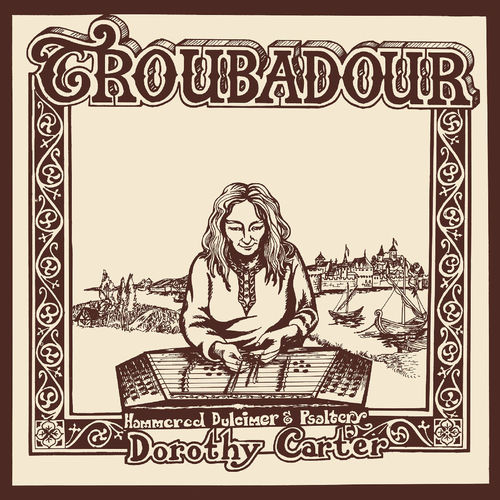
Born in 1935, Carter's musical journey began in a family steeped in folk traditions, learning piano and cello before a fateful encounter with the hammered dulcimer in the 1960s. She dedicated herself to mastering this intricate, centuries-old instrument, initially performing in the folk circuits of New York City and Boston. Her first significant recording was the 1976 album "Troubadour," a collection of medieval and Renaissance pieces that established her distinctive, ethereal style.
Breakthrough
Carter's profile reached an international audience in the late 1990s through her collaboration with the British ensemble Mediaeval Baebes. Her instrumental prowess and arrangements were central to their 1998 debut album, "Salva Nos," which unexpectedly charted in the UK and was certified Silver, selling over 60,000 copies. This success introduced her haunting dulcimer melodies to a wide alternative and world music audience, cementing her status as a key figure in the modern early music revival.
Key tracks
Laude Novella — This track from "Troubadour" showcases Carter's early mastery of layering dulcimer and voice to recreate medieval soundscapes.
Salva Nos — As the title track of the Mediaeval Baebes' breakthrough album, it features Carter's iconic dulcimer lines that defined the group's initial sound.
All Things Are Quite Silent — A later solo work highlighting her ability to weave traditional English folk balladry with sparse, evocative dulcimer accompaniment.
I Am Eve — This original composition exemplifies her skill in writing new material that feels authentically ancient and spiritually resonant.
Following the success with Mediaeval Baebes, Carter continued to record and perform solo, releasing albums like "Waillee Waillee" which further blended Celtic, Appalachian, and Middle Eastern influences. She remained a revered and somewhat enigmatic figure within the folk and world music communities, performing at festivals and dedicated venues until her passing in 2003. Her legacy is preserved through her recordings, which continue to inspire musicians exploring traditional string instruments and modal melodies.
Fans of Dorothy Carter's fusion of ancient folk traditions and ethereal instrumentation may also appreciate the work of Loreena McKennitt, who similarly crafts contemporary music from Celtic and world folk sources. The early acoustic explorations of Joni Mitchell share a spirit of lyrical and melodic innovation. For the medieval tonalities, listen to Dead Can Dance, whose atmospheric compositions orbit a similar historical gravity. The intricate string work of John Fahey, though in the American primitive style, parallels Carter's dedication to reviving and personalizing forgotten acoustic traditions.
The music of Dorothy Carter finds a natural home on specialty radio formats, including independent music radio stations and online streams dedicated to folk, world, and acoustic traditions. Her recordings are regularly featured in programming blocks focused on historical music, singer-songwriter depth, and instrumental mastery, connecting with audiences seeking authenticity and sonic texture.
Listeners can explore the unique American folk and world music catalog of Dorothy Carter through the dedicated radio stations available on onairium.com, where her pioneering hammered dulcimer melodies continue to resonate across the airwaves.