
Dorothy Carter
 United States
Dorothy Carter: The Ethereal Voice of American Folk and Early Music
Dorothy Carter was an American multi-instrumentalist and vocalist who pioneered the revival of medieval and traditional folk music using ancient instruments. Hailing from New England, her most significant achievement was co-founding the influential early music ensemble The Courtly Music Consort and her critically acclaimed 1976 solo album "Troubadour".
Early career
Born in the 1930s, Dorothy Carter's musical journey began in the folk circles of Boston and New York City in the 1960s. Her fascination with historical music led her to master rare instruments like the hammered dulcimer, psaltery, and zither, setting her apart from the contemporary folk scene.
Her early work involved collaborations within the Greenwich Village folk revival, where she absorbed diverse traditions. Carter's dedication to authenticity saw her studying and performing European medieval, Breton, and Appalachian folk music long before the early music movement gained mainstream traction.
Breakthrough
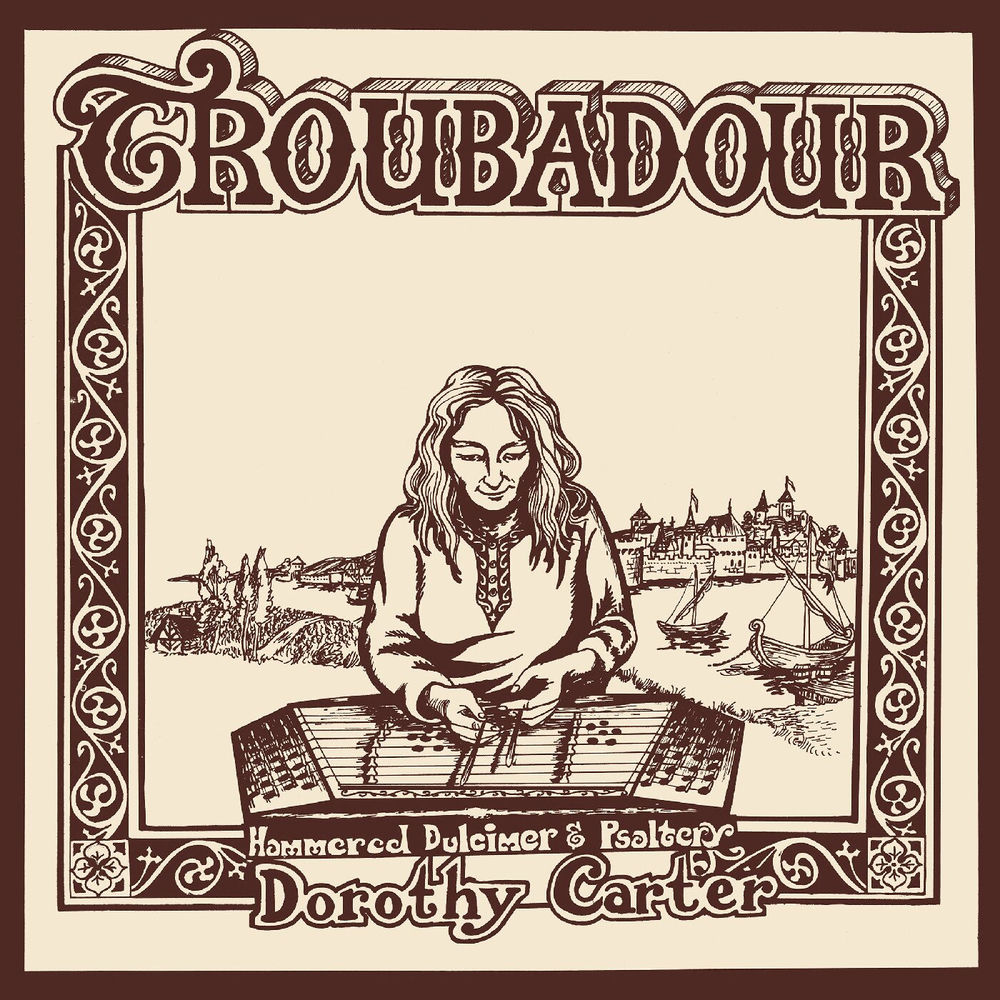
Dorothy Carter's breakthrough came with the 1976 release of her solo album "Troubadour" on the Philo label. The album was a daring fusion of ancient melodies and instruments with a subtle, contemporary sensibility, capturing the attention of both folk and experimental music audiences.
While not a mainstream chart success, "Troubadour" became a cult classic and a landmark record in the nascent world music and historical music revival scenes. Its success solidified her reputation as a unique and scholarly performer dedicated to resurrecting forgotten sounds.
Key tracks
Troubadour — The title track showcases her ethereal vocals and masterful hammered dulcimer playing, defining her signature sound.
Lully Lullay — This arrangement of a traditional Coventry Carol highlights her ability to breathe new life into ancient melodies with haunting beauty.
Waly Waly — Carter's rendition of this classic folk ballad demonstrates her deep connection to the storytelling roots of British and American folk traditions.
La Rotta — An instrumental piece that displays her technical prowess on the psaltery and her skill in interpreting early dance music.
Following "Troubadour", Carter continued to record and perform, including a notable collaboration with experimental composer and musician Robert Rutman and his Steel Cello Ensemble. She remained a vital, if niche, figure, performing at festivals and inspiring a generation of musicians interested in historical instrumentation.
Her later work included the album "The Dorothy Carter Album" and performances well into the 1990s. Dorothy Carter's legacy is that of a true musical archaeologist whose work provided a foundational bridge between ancient folk forms and modern acoustic exploration.
Fans of Dorothy Carter's unique blend of historical reverence and folk innovation often appreciate the work of similar artists. Loreena McKennitt shares Carter's passion for weaving Celtic and medieval themes into contemporary compositions. Shirley Collins represents a similarly deep, scholarly dedication to traditional British and American folk song. Jean Ritchie parallels Carter's role as a key preserver of Appalachian dulcimer traditions. The Incredible String Band explored a similarly eclectic and instrumentally diverse approach to psychedelic folk during the same era.
Dorothy Carter's distinctive catalog finds a natural home on specialty radio programming. Her music is regularly featured on eclectic folk radio stations, dedicated world music programs, and online radio streams that champion historical and acoustic genres. These platforms provide the perfect auditory space for her timeless recordings.
Listeners can explore the unique sonic world of Dorothy Carter through the radio stations featured on onairium.com. Tune in to discover her haunting melodies and masterful instrumentation on stations dedicated to folk, early music, and innovative acoustic sounds.
