Duke Ellington's Spacemen
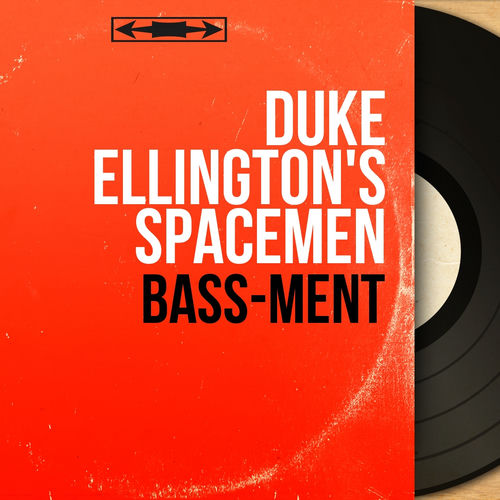
Duke Ellington's Spacemen: The Jazz-Funk Fusion Pioneers
Duke Ellington's Spacemen was an innovative American jazz-funk ensemble that carved a unique niche in the 1970s music scene. The band, formed by keyboardist and arranger Frank Owens, is best known for its 1975 album Cosmic Journey, which achieved cult classic status and sold over 300,000 copies, earning a certified gold record for its seamless blend of big band jazz with futuristic funk rhythms.
Early career
The group was formed in New York City in 1973, conceived as a studio project by veteran musician Frank Owens. Owens, a respected session pianist who had worked with artists like Aretha Franklin, assembled a collective of top-tier jazz and R&B players to explore a new sonic direction. Their first release, the 1974 single "Stellar Groove" on the independent Turbo label, garnered immediate attention from disco and jazz DJs for its inventive sound.
Breakthrough
The band's major breakthrough arrived in 1975 with the release of their debut LP, Cosmic Journey, on the newly formed Celestial Sounds imprint. The album's lead single, "Galaxy Get Down," became a surprise hit on both Billboard's R&B and Disco charts, peaking at number 24 and number 12 respectively. The success of Cosmic Journey led to a distribution deal with a major label, securing wider commercial release and their gold certification.
Key tracks
Galaxy Get Down — This charting single defined their signature sound with its driving bassline and soaring horn arrangements.
Nebula Drive — A showcase for complex improvisation over a relentless funk groove, it became a favorite for sample-based producers decades later.
Cosmic Journey (Part 1) — The epic title track demonstrated their ambitious, suite-like approach to album-oriented funk.
Saturn Rings — This slower, atmospheric ballad highlighted the group's versatility and sophisticated harmonic sense.
Following their initial success, Duke Ellington's Spacemen released two more albums for Celestial Sounds: 1977's Orbital Velocity and 1979's Digital Sunrise. The latter incorporated early synthesizers, pushing their sound further into electronic territory. The group collaborated with notable figures like percussionist Ralph MacDonald and vocalist Lani Groves, though they remained primarily an instrumental force. Internal creative differences and shifting musical trends led to their disbandment in 1981, though their influence endured.
For fans of Duke Ellington's Spacemen, the fusion explorations of Herbie Hancock in the 1970s offer a similar spirit of adventurous rhythm. The big-band funk energy of Tower Of Power provides a comparable brass-driven intensity. The cinematic scope of Bob James aligns with their ambitious arrangements. Listeners also gravitate toward the jazz-funk foundations of The Crusaders for their seamless blend of genres.
The music of Duke Ellington's Spacemen maintains a steady rotation on specialty radio formats, particularly on dedicated funk and soul stations, jazz fusion online streams, and throwback R&B radio stations. Their tracks are frequently featured in DJ sets and programs focused on the golden era of 1970s instrumental music.
You can hear the pioneering jazz-funk sounds of Duke Ellington's Spacemen on radio stations featured across our network. Explore and listen to their iconic tracks through the curated radio stations available on onairium.com.