Duncan Browne
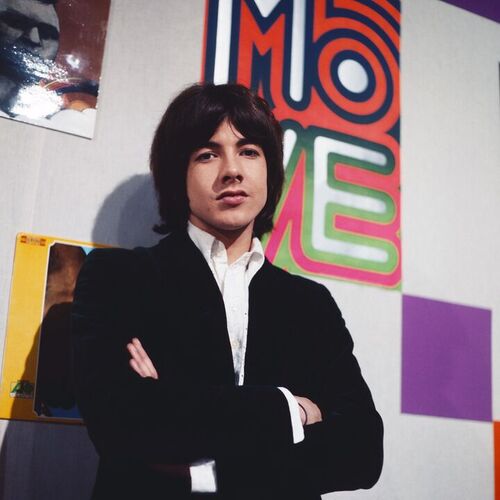
Duncan Browne: The Visionary Voice of British Baroque Pop
Duncan Browne was an English singer-songwriter and guitarist whose sophisticated blend of folk, progressive rock, and classical influences carved a unique niche in the 1970s music scene. His 1972 debut album, "Give Me Take You," remains a cult classic, while his 1978 single "The Wild Places" provided a late-career chart success, securing his legacy as a meticulous and evocative composer.
Early career
Born in 1947 in London, Duncan Browne displayed prodigious musical talent from a young age, studying classical guitar at the Guildhall School of Music. His professional journey began in the late 1960s with the psychedelic folk band The Honeybus, contributing guitar to their 1968 hit "I Can't Let Maggie Go," before embarking on a solo path.
His early demos caught the attention of Andrew Loog Oldham's Immediate Records, leading to his first solo single, "On the Bombsite," in 1968. This period established Browne's signature style: intricate, flamenco-inspired guitar work paired with melancholic, poetic lyrics, setting the stage for his landmark debut.
Breakthrough
Browne's true artistic breakthrough arrived in 1972 with the release of his debut album, "Give Me Take You," on the Mickie Most-owned RAK Records. While not a major commercial smash, the album was a critical triumph, celebrated for its baroque pop arrangements and Browne's delicate guitar virtuosity, garnering a dedicated following that persists today.
His commercial peak came later in the decade with a shift towards a more accessible rock sound. Signed to Magnet Records, Browne released the album "The Wild Places" in 1978, with its title track becoming his most recognizable hit.
Key tracks
Give Me Take You — The title track from his debut album perfectly encapsulates Browne's early, intricate baroque pop sound and lyrical romanticism.
Journey — A standout from his debut, this track showcases Browne's classical guitar training and his skill in building expansive, progressive song structures.
The Wild Places — This 1978 single became Browne's biggest chart success, reaching the UK Top 40 and introducing his music to a wider adult-oriented rock audience.
Ragged Rain Life — A key track from his 1973 album "Duncan Browne," it highlights his evolving songcraft and the enduring quality of his melodic sensibilities.
Boulevard — This later-career song demonstrates Browne's seamless adaptation to the soft-rock radio sound of the early 1980s while retaining his distinctive guitar tone.
Throughout the late 1970s and early 1980s, Browne continued to write and record, including work on the soundtrack for the film "The Secret Policeman's Ball." He also collaborated with other artists, such as writing the song "Criminal World" for Metro, later famously covered by David Bowie on his "Let's Dance" album.
Duncan Browne's career was tragically cut short when he died of cancer in 1993 at the age of 45. His influence, however, has grown posthumously, with reissues of his work introducing his elegant baroque pop and sophisticated rock to new generations of listeners.
Fans of Duncan Browne's intricate guitar work and melodic baroque pop style should also explore Nick Drake for similarly introspective British folk. Al Stewart shares Browne's historical and literary lyrical themes woven into soft-rock. The Zombies offer a comparable mastery of 1960s baroque pop arrangement. 10cc mirror the meticulous studio craftsmanship and melodic ingenuity found in Browne's later work.
The music of Duncan Browne maintains a steady presence on the playlists of specialist classic rock FM stations and online radio streams dedicated to sophisticated 1970s rock and singer-songwriter genres. His songs are staples on channels focusing on album-oriented rock and British musical heritage, where his nuanced compositions are celebrated.
Listeners can discover the elegant baroque pop and rock of Duncan Browne by tuning into the classic