Dvorak
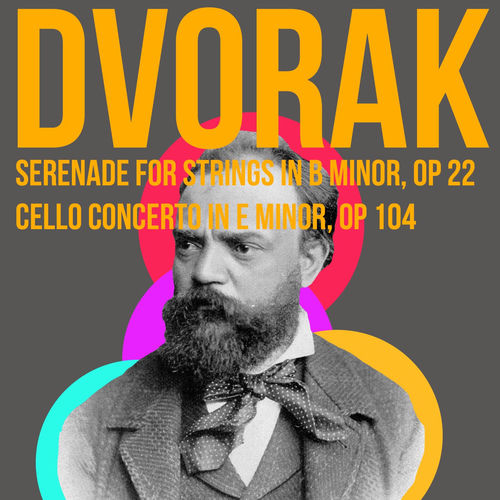
Dvorak: The Czech Master of Romantic Classical Music
Antonín Dvorak is a celebrated Czech composer whose works are pillars of the Romantic classical music repertoire. His global fame was cemented by the monumental success of his "New World Symphony," a piece that has achieved iconic status through countless recordings and performances in concert halls worldwide.
Early career
Born in 1841 in Nelahozeves, near Prague, Antonín Dvorak began his musical journey as a violist after graduating from the Prague Organ School. His early compositions in the 1870s, such as the patriotic cantata "The Heirs of the White Mountain," gained him initial attention and crucial financial support from the Austrian State Stipendium, where his applications were judged favorably by none other than Johannes Brahms.
Breakthrough
Dvorak's international breakthrough arrived in the late 1880s, largely driven by a series of highly successful concerts of his music in London. His "Symphony No. 7 in D minor," commissioned by the Royal Philharmonic Society and premiered in 1885, solidified his reputation as a leading symphonic composer of his generation and led to lucrative publishing contracts with firms like Simrock.
Key tracks
Symphony No. 9, "From the New World" — This 1893 symphony, written during his time in America, became his most famous and frequently performed work, known for its memorable "Going Home" melody.
Slavonic Dances, Op. 46 — These 1878 piano duets, later orchestrated, brought Dvorak his first major international acclaim by brilliantly capturing the spirit of Czech folk music.
Cello Concerto in B minor — Widely regarded as the pinnacle of the cello concerto repertoire, this 1895 work remains a cornerstone for every major cellist's recorded legacy.
String Quartet No. 12, "American" — Composed in 1893 during his stay in the United States, this quartet is celebrated for its inventive use of pentatonic scales and rhythmic vitality.
Rusalka, Op. 114 — His 1901 opera, particularly the aria "Song to the Moon," has secured a permanent place in the standard operatic canon.
Following his American period as director of the National Conservatory of Music in New York, Dvorak returned to Prague and focused on composing symphonic poems and operas. His later works, including the opera "Rusalka," further explored Czech national themes with profound lyrical beauty. He received numerous honors, including an honorary doctorate from the University of Cambridge and appointment to the Austrian House of Lords.
For listeners captivated by Dvorak's rich orchestration and melodic genius, several other composers offer similar appeal. Bedrich Smetana is the foundational Czech nationalist composer, famously depicting his homeland in works like "Má vlast." Johannes Brahms was a direct supporter and peer whose symphonic structures deeply influenced Dvorak's own approach. Pyotr Ilyich Tchaikovsky shares Dvorak's gift for lush, emotionally charged melody and ballet music. Edward Elgar represents a later generation of Romantic composers who, like Dvorak, created concertos and symphonies with a distinct national character.
Dvorak's compositions are a staple on classical music radio stations featured on this website. His symphonies, concertos, and chamber works receive daily airplay on dedicated classical FM stations, online classical streams, and public radio networks, ensuring his music reaches new generations of listeners.
You can hear the timeless Romantic classical music of Antonín Dvorak on the radio stations available on onairium.com. Tune in to discover the depth of his catalog, from the spirited Slavonic Dances to the profound "New World Symphony," all broadcast through our curated selection of stations.