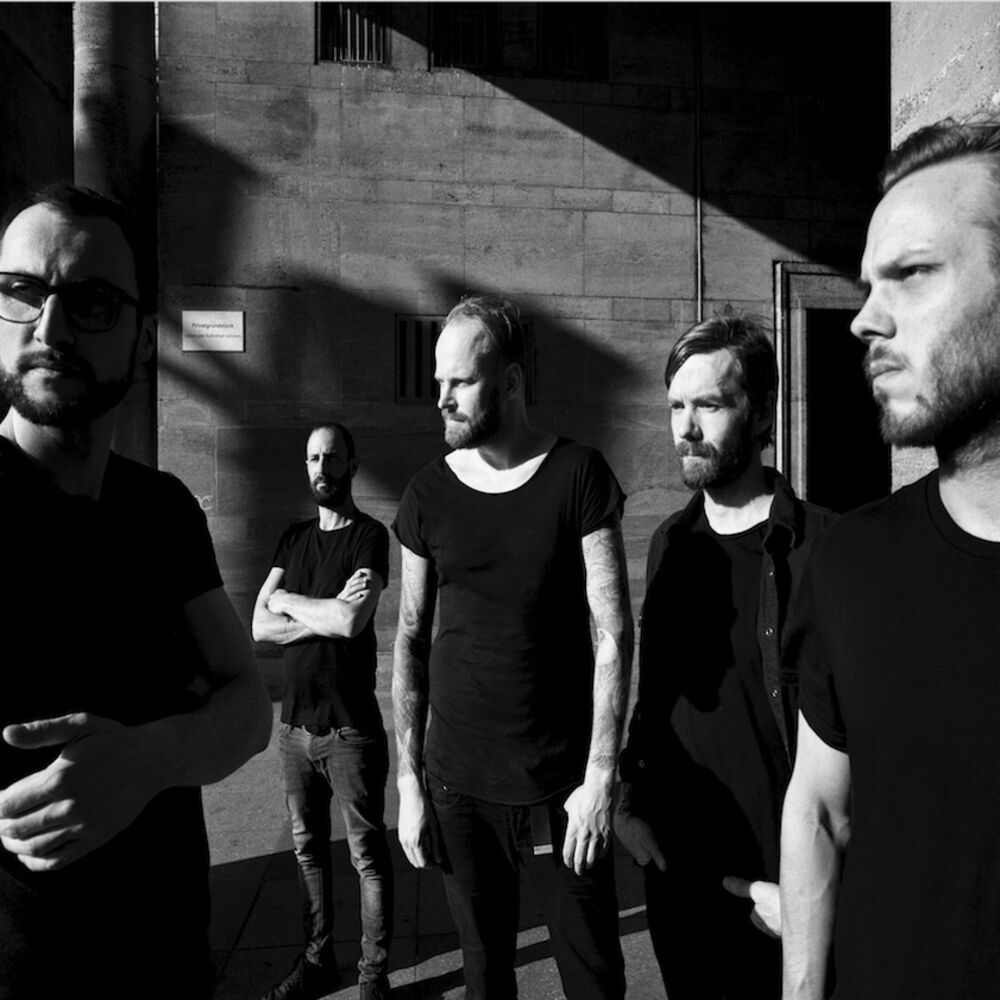
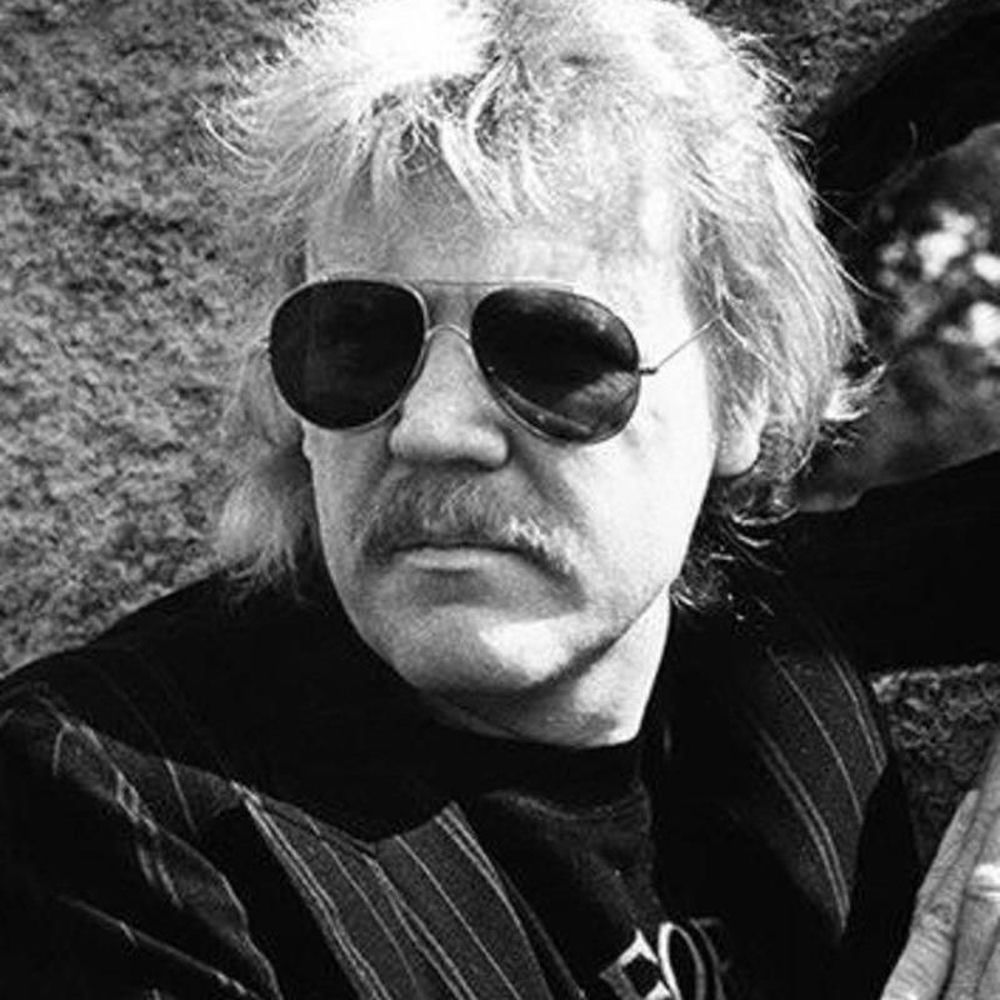
Edgar Froese
 Germany
Listen Edgar Froese on radio stations:
Edgar Froese: Architect of the Berlin School
Edgar Froese was a German composer and musician best known as the founder and constant leader of the pioneering electronic group Tangerine Dream. Hailing from Berlin, his primary achievement was shaping the "Berlin School" of progressive electronic music, a genre defined by sequencer-driven soundscapes and cosmic atmospheres.
Early career
Born in 1944 in Tilsit, East Prussia, Edgar Froese initially studied sculpture and painting before music became his central focus. His early musical endeavors were with the rock band The Ones, but a pivotal experience opening for Jimi Hendrix in 1967 inspired a radical shift towards experimental sound.
Breakthrough
Froese formed Tangerine Dream in 1967, and the group's early albums on the Ohr label established their reputation in the burgeoning German krautrock scene. The band's international breakthrough came with the 1974 album Phaedra on the Virgin label, which entered the UK Albums Chart and became a landmark of electronic music.
Key tracks
Phaedra - The title track from the 1974 album is a definitive Berlin School piece, built on mesmerizing sequencer patterns and ethereal Mellotron layers.
Ricochet - This live-recorded epic from 1975 showcases Froese and Tangerine Dream's mastery of dynamic, evolving electronic improvisation.
Stuntman - A track from Froese's 1979 solo album of the same name, it highlights his individual compositional style within the broader electronic framework.
Epsilon in Malaysian Pale - The title piece from his 1975 solo album is a classic, evocative of vast, otherworldly landscapes created with Mellotron and synthesizers.
Tangram Set 1 - From Tangerine Dream's 1980 album, this work represents the more structured, melodic phase of Froese's output in the early 1980s.
Froese remained the sole continuous member of Tangerine Dream across five decades, guiding the group through numerous stylistic phases and over one hundred album releases. He also pursued a parallel solo career, releasing albums like Aqua (1974) and Macula Transfer (1976) that further explored his sonic visions.
His work, both solo and with Tangerine Dream, has been highly influential across electronic, ambient, and film score music. Edgar Froese continued composing and performing until his death in 2015, leaving behind a vast and foundational catalog.
Fans of Edgar Froese's pioneering electronic sound may also appreciate the work of Klaus Schulze, a fellow Berlin School architect known for his expansive, minimalist compositions. The rhythmic patterns of Kraftwerk share a common German electronic heritage, though with a more pop-oriented focus. The atmospheric textures of Jean-Michel Jarre also explore similar synthetic territories, making him a key figure in popularizing the genre globally.