Eiichi Ohtaki
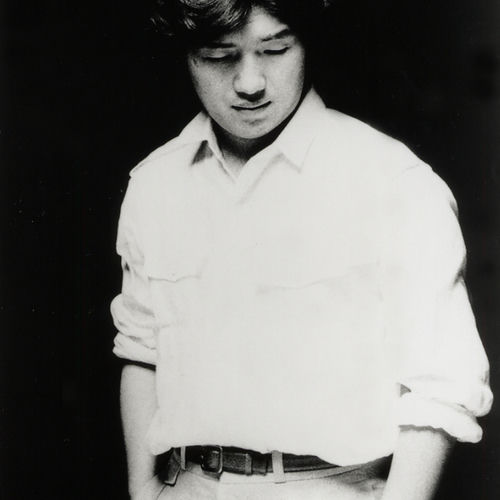
Eiichi Ohtaki: The Architect of Japanese City Pop
Eiichi Ohtaki was a visionary Japanese singer-songwriter, producer, and arranger who became a foundational figure in the creation of the lush, West Coast-inspired "city pop" sound. From his early work with the influential band Happy End to his landmark solo album "A Long Vacation," Ohtaki crafted a sophisticated musical legacy that continues to resonate decades later.
Early career
Born in 1948 in Setagaya, Tokyo, Eiichi Ohtaki's musical journey began in the late 1960s amidst Japan's burgeoning folk and rock scene. He first gained significant attention as a member of the pioneering rock band Happy End, formed in 1969, which successfully blended Western rock stylings with Japanese lyrics, influencing a generation.
Following Happy End's dissolution in 1972, Ohtaki, alongside former bandmate Haruomi Hosono, dove into production and studio work. He co-founded the legendary "Tin Pan Alley" studio in Tokyo's Shibuya district, which became the creative hub for the emerging city pop genre in the mid-to-late 1970s.
Breakthrough
Ohtaki's solo career reached its commercial and artistic zenith in 1981 with the release of his album A Long Vacation on Niagara / CBS Sony. The album was a massive success, eventually selling over 1.6 million copies and becoming one of the defining records of the city pop era, celebrated for its meticulous production and sunny, nostalgic atmosphere.
Key tracks
Kimi wa Tennen Shoku — This vibrant, saxophone-driven single from "A Long Vacation" became Ohtaki's signature hit and a perennial summer anthem in Japan.
Kazemachi Restaurant — The opening track to his 1976 debut solo album, it established his signature blend of folk-rock and sophisticated pop arrangements.
Fun×4 — A later single from 1994 that demonstrated his enduring knack for crafting catchy, impeccably produced pop melodies.
Subway Express — An earlier track showcasing his skill in creating atmospheric, narrative-driven music that painted vivid urban scenes.
Ohtaki continued to release music and produce for other artists throughout the 1980s and 1990s, though he never replicated the monumental success of "A Long Vacation." His later work included the ambitious 1996 album "The Last Album," and he remained a respected elder statesman in the Japanese music industry until his passing in 2013. His influence is profoundly heard in the work of later Japanese pop and electronic artists who draw from his rich sonic palette.
Fans of Eiichi Ohtaki's polished, melodic style should also explore Tatsuro Yamashita, his city pop contemporary known for smooth vocals and jazz-inflected arrangements. The sophisticated production of Haruomi Hosono is essential, given their collaborative history in Happy End and beyond. For a later interpretation of the genre, listen to Mariya Takeuchi, whose hit "Plastic Love" owes a debt to Ohtaki's era. The meticulous studio craft of Yumi Matsutoya also operates in a similar realm of detailed, emotive Japanese pop.
Eiichi Ohtaki's music maintains a dedicated following and is regularly featured on specialty radio programming, including online radio streams dedicated to Japanese classics, vintage pop rotations, and independent music radio stations exploring global sounds.
Listeners can discover the timeless sound of Eiichi Ohtaki and the city pop genre on radio stations featured on our website. Tune in to stations available on onairium.com to hear his iconic hits and deep cuts that define an era of Japanese music.