
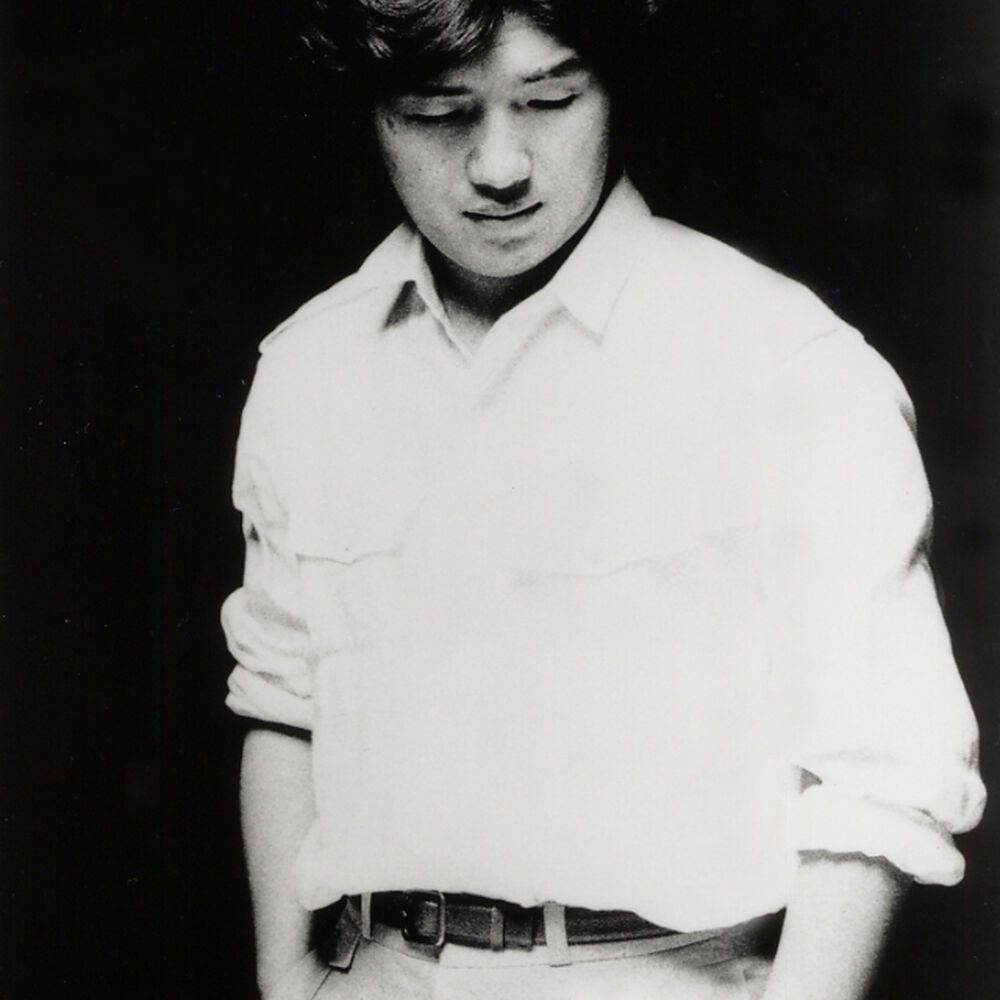
Eiichi Ohtaki
Listen Eiichi Ohtaki on radio stations:
Eiichi Ohtaki: The Architect of Japanese City Pop
Eiichi Ohtaki was a visionary Japanese singer-songwriter, producer, and arranger who became a foundational figure in the creation of the lush, sophisticated sound known as City Pop. Hailing from Tokyo, his crowning achievement is the 1981 masterpiece album A Long Vacation, a multi-million selling record that defined an era and remains a cultural touchstone in Japan.
Early career
Born in 1948, Ohtaki first entered the music scene in the late 1960s as a member of the folk-rock band Happy End, a group whose pioneering work in blending Western rock with Japanese lyrics profoundly influenced the nation's popular music. Following the band's dissolution in 1973, Ohtaki launched his solo career, establishing his own label, Niagara, and releasing his debut solo album, Happy End, in 1976, showcasing his growing skills as a meticulous studio craftsman.
Breakthrough
Ohtaki's commercial and artistic breakthrough arrived in 1981 with his third solo album, A Long Vacation. Released on his Niagara label under distribution by CBS Sony, the album was a phenomenal success, eventually selling over 2 million copies and achieving multi-platinum status. Its seamless fusion of pop, rock, jazz, and AOR, inspired by Southern California's sunny vibe, provided the definitive blueprint for the burgeoning City Pop genre.
Key tracks
Kimi wa Tennen Shoku — This vibrant, saxophone-driven single from A Long Vacation became an instant and enduring hit, perfectly encapsulating the album's carefree, stylish atmosphere.
Kazemachi Restaurant — The opening track of his 1980 album Just a Time Machine is a lush, multi-part suite that demonstrated Ohtaki's ambitious, cinematic approach to pop production.
Subway Express — A sophisticated, rhythmically complex instrumental from A Long Vacation that highlights Ohtaki's genius for arrangement and studio orchestration.
Futari no Vacation — Another standout track from his landmark album, this duet with singer Epo showcases his knack for crafting breezy, melodic pop confections.
Following this peak, Eiichi Ohtaki continued to produce and arrange for numerous artists, including the idol group Onyanko Club, while releasing his own meticulously crafted albums like 1984's Each Time. His role shifted increasingly behind the scenes, solidifying his reputation as a producer's producer whose Niagara label served as a creative hub for like-minded musicians. His influence endured for decades, with a major resurgence in the 21st century as global audiences rediscovered City Pop.
For listeners exploring the sophisticated sounds of Japanese City Pop and soft rock, several artists share Ohtaki's meticulous studio craft and melodic sensibility. Tatsuro Yamashita, Ohtaki's close collaborator and fellow genre architect, is renowned for his smooth vocals and jazz-inflected arrangements. Taeko Ohnuki pursued a similarly refined and artistic path in pop music, often working within the same creative circles. Haruomi Hosono, Ohtaki's bandmate in Happy End, explored eclectic electronic and world music influences with the same pioneering spirit. Mariya Takeuchi, whose hit "Plastic Love" fueled the City Pop revival, benefits from the lush production style Ohtaki helped define.
The music of Eiichi Ohtaki maintains a steady rotation on dedicated online radio streams and specialty FM programs focused on vintage Japanese pop, classic AOR, and curated retro music formats. His meticulously crafted soundscapes are a staple for stations celebrating the artistry of 1980s production and the timeless appeal of City Pop.
Listeners can explore the influential catalog of Eiichi Ohtaki, from the sunny melodies of A Long Vacation to his deeper album cuts, through the variety of radio stations available on onairium.com, where his music is regularly featured as essential listening within the genre.
