Ekseption
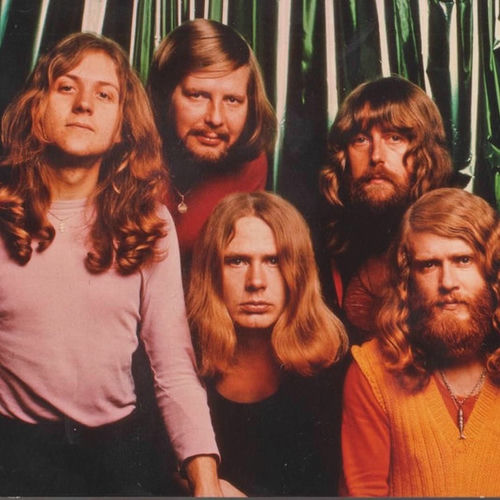
Ekseption: Pioneers of Dutch Symphonic Rock
Ekseption was a groundbreaking Dutch band that fused classical music themes with rock and jazz, creating a unique and commercially successful sound in the late 1960s and 1970s. Hailing from the Netherlands, the group achieved major chart success with their reinterpretations of classical works, scoring multiple number-one hits and gold records in their home country.
Early career
The band's origins trace back to 1967 in the city of Haarlem, evolving from a jazz and beat group called The Jokers. Under the leadership of trumpeter Rein van den Broek, the newly christened Ekseption began to develop their signature style, blending complex arrangements with accessible rock rhythms. They signed with the Philips label and released their self-titled debut album in 1969, which laid the foundation for their imminent breakthrough.
Breakthrough
Ekseption's major national breakthrough came in 1969 with the release of their second album, Beggar Julia's Time Trip. The lead single, a rock adaptation of Ludwig van Beethoven's "Fifth Symphony," became an instant and massive hit in the Netherlands. This track propelled the album to the top of the Dutch charts, earning a gold certification and establishing Ekseption as a household name.
Key tracks
Fifth Symphony — This explosive adaptation of Beethoven's classic became the band's first number-one single in 1969, defining their symphonic rock approach.
Air — Their 1970 interpretation of Bach's "Air on the G String" showcased a more serene side and also reached the number-one position on the Dutch charts.
Sabre Dance — Ekseption's powerful, driving version of Aram Khachaturian's composition became another staple of their live performances and radio play.
The 5th — A later, more progressive and extended reinterpretation of Beethoven's Fifth Symphony, highlighting the band's evolving musicianship.
Following this peak, Ekseption experienced several lineup changes, with keyboardist Rick van der Linden becoming the central creative force for many albums. The band continued to release prolific work, including albums like 3 and Ekseption 00.04, exploring more original compositions alongside classical adaptations. Their consistent output and high-energy performances kept them in the Dutch spotlight throughout the early 1970s.
Fans of Ekseption's bold fusion of classical motifs with rock energy should also explore other innovative acts from the region. Focus is another legendary Dutch progressive rock band known for instrumental virtuosity and major hits. Trace was a Dutch symphonic rock trio heavily influenced by classical music, often compared to Ekseption. Solution offered a more jazz-rock oriented take on the progressive sound emerging from the Netherlands. Kayak blended symphonic rock with strong pop melodies, achieving significant success in the same era.
The innovative tracks of Ekseption remain a staple on classic rock FM stations and dedicated progressive rock radio streams. Their unique blend of bombastic classical themes and tight rock instrumentation ensures their music continues to resonate with listeners seeking adventurous sounds from radio history.
You can discover the pioneering symphonic rock of Ekseption by tuning into the classic rock and specialist prog stations featured right here on onairium.com. Listen to their iconic hits and deep cuts as part of our curated radio rotation celebrating groundbreaking artists.