Electronic
Listen on radio stations:


Electronic: The Synth-Pop Supergroup of British Alternative Dance
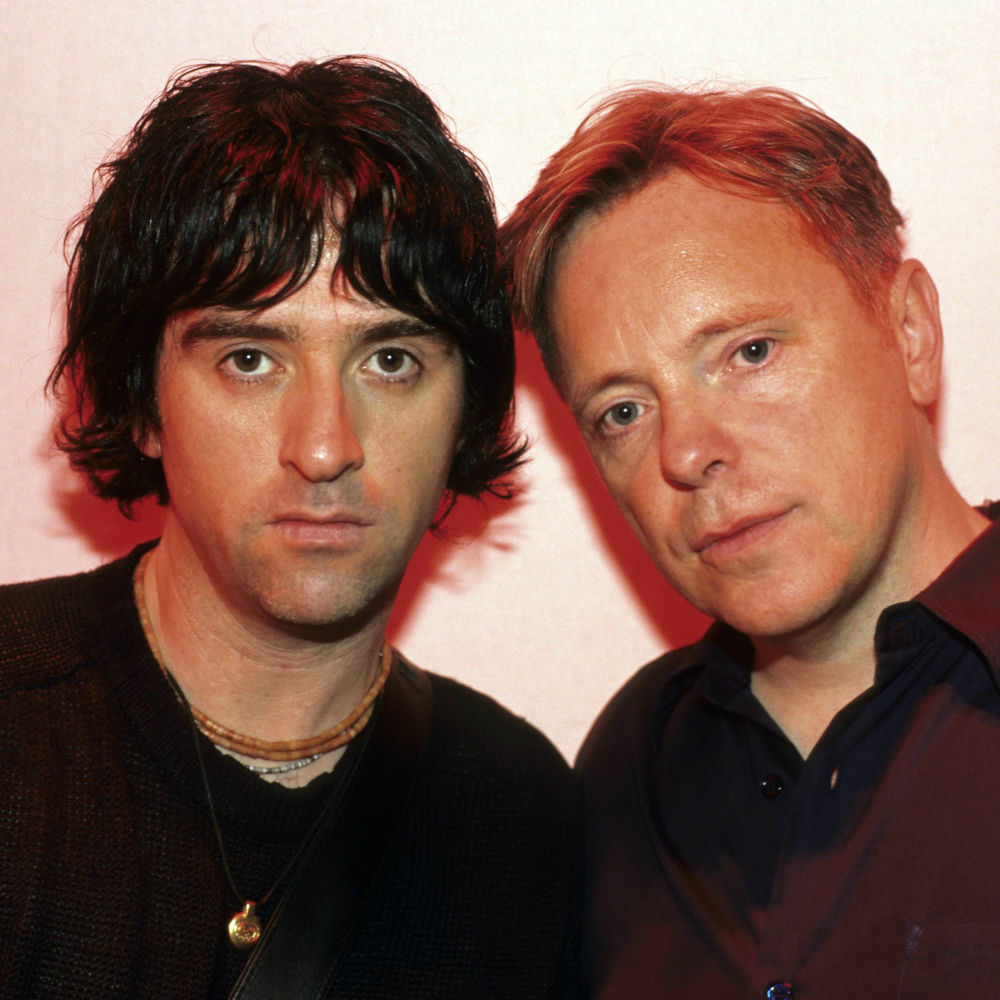
Electronic was a British alternative dance and synth-pop group formed as a collaborative project between New Order's Bernard Sumner and The Smiths' Johnny Marr. Emerging from the Manchester music scene, the project became a critically acclaimed success, blending Marr's intricate guitar work with Sumner's electronic textures and melodic sensibilities across three studio albums.
Early Career
Electronic was conceived in 1988 when Bernard Sumner and Johnny Marr began working together during a hiatus from their respective bands. Their initial sessions, which included programming from Pet Shop Boys' Neil Tennant and Chris Lowe, focused on crafting a new sound that fused guitar-based indie rock with contemporary dance rhythms. The duo's first single, "Getting Away with It," was released in December 1989 on Factory Records, featuring guest vocals by Pet Shop Boys' Tennant.
Breakthrough
The group's self-titled debut album, "Electronic," arrived in 1991 on Factory in the UK and Warner Bros. Records in the US, achieving critical praise and commercial success, particularly in the UK. While not achieving massive chart-topping singles in the US, the album solidified their reputation as a formidable creative force, with tracks like "Get the Message" becoming an alternative club staple. Their follow-up, 1996's "Raise the Pressure," continued this trajectory, incorporating more pronounced dance elements.
Key Tracks
Getting Away with It - This debut single introduced the world to the Electronic sound, featuring the distinctive vocals of Neil Tennant and establishing the project's sophisticated pop credentials.
Get the Message - A defining track from their first album, it perfectly encapsulates the synergy between Marr's jangling guitar and Sumner's synth programming, becoming a fan favorite.
Feel Every Beat - A later single showcasing the group's ability to craft driving, club-ready dance music while maintaining their melodic and textural sophistication.
The project evolved into a more permanent band for their third and final album, 1999's "Twisted Tenderness," which featured a harder, more guitar-driven sound. Despite never officially disbanding, Sumner and Marr's commitments to New Order and solo work meant Electronic remained a celebrated, finite chapter in British alternative music.
Fans of Electronic's blend of indie songcraft and electronic beats might also enjoy the work of New Order, which shares Bernard Sumner's vocal and synthesizer style. The guitar-driven synth-pop of The Smiths is foundational due to Johnny Marr's involvement. For a similar exploration of dance-oriented rock, listen to Happy Mondays, another key act from the Manchester scene.
Similar artists