Emitt Rhodes
Type: Person
 Mauritius
Mauritius
Listen on radio stations:
Emitt Rhodes: The Brief Brilliance of a Soft Rock Singer-Songwriter
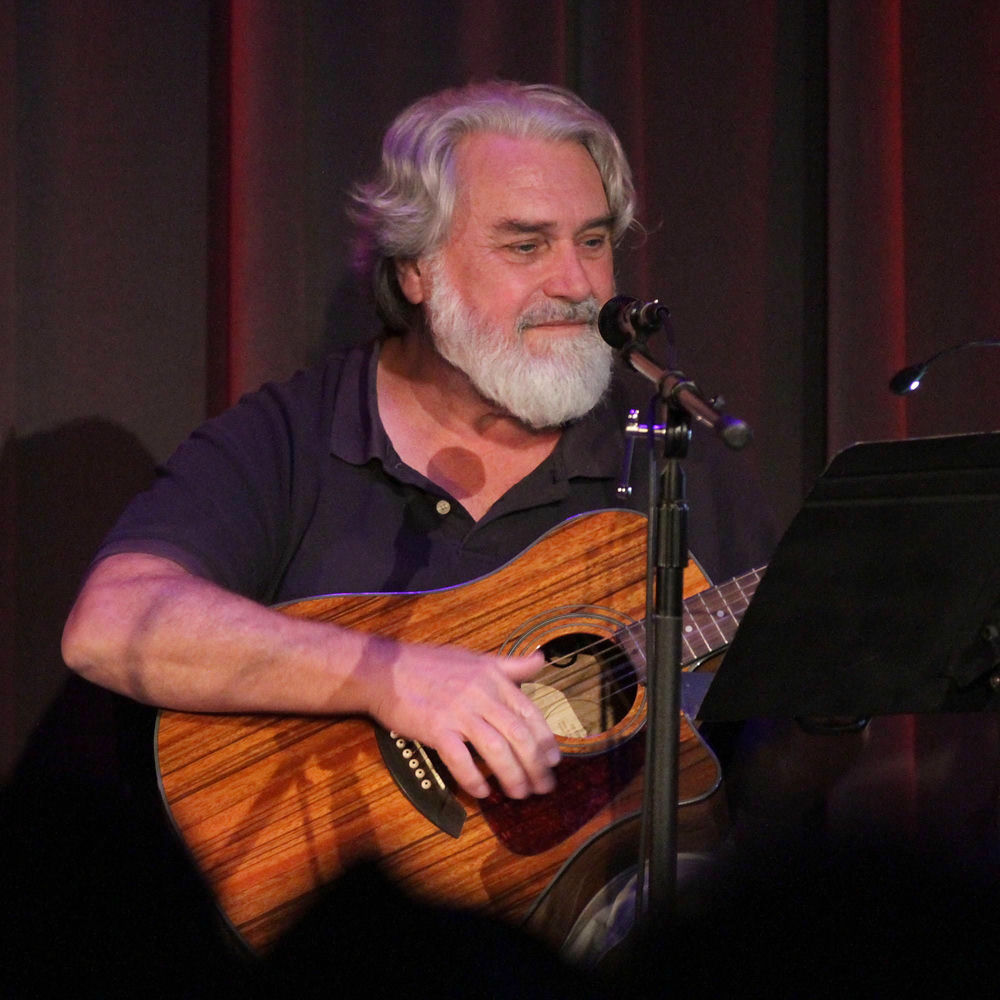
Emitt Rhodes was an American singer-songwriter and multi-instrumentalist from Hawthorne, California, whose career is noted for its early promise and prolific, self-contained output. His primary achievement was creating a series of critically admired albums in the early 1970s where he performed nearly all the instruments and vocals himself, crafting a distinct brand of melodic soft rock.
Early Career
Emitt Rhodes began his musical journey in the 1960s as a teenager, first gaining attention as the drummer and vocalist for the psychedelic pop band The Merry-Go-Round. The band, formed in Los Angeles, scored a regional hit with the song "Live" in 1967 and released one self-titled album on A&M Records before disbanding in 1969. This experience established Rhodes not just as a performer but as a budding songwriter, setting the stage for his solo work.
Breakthrough
Rhodes' breakthrough came swiftly after going solo, signing with Dunhill Records in 1970. His self-titled debut album, Emitt Rhodes, was released that same year and featured the single "Fresh as a Daisy," which garnered radio play and critical praise for its Beatlesque melodies and polished production. The album's success was built on the remarkable fact that Rhodes wrote, sang, played all the instruments, and engineered and produced the recordings largely by himself in his home studio, a feat that drew immediate comparisons to Paul McCartney.
Key Tracks
Live - This 1967 single with The Merry-Go-Round provided the first major showcase for Rhodes' vocal and songwriting talents on a national level.
Fresh as a Daisy - The lead single from his 1970 solo debut became his most recognizable song, perfectly encapsulating his melodic soft rock sound and DIY approach.
You Take the Dark Out of the Night - A track from his 1970 album that highlights his skill for crafting sophisticated, harmony-rich pop arrangements.
Following his debut, Rhodes maintained a intense pace, releasing the albums Mirror in 1971 and Farewell to Paradise in 1973. The contractual obligation to deliver albums quickly, combined with the immense personal effort of his one-man-band process, led to professional burnout. After the release of Farewell to Paradise, his recording career largely halted for decades, though his existing work cultivated a loyal cult following among fans of melodic singer-songwriter and soft rock music.
Artists with a similar melodic, introspective approach from the same era include Harry Nilsson, who shared a gift for intricate pop songcraft. The music of Badfinger also resonates, bridging power pop and softer rock melodies. For a later artist influenced by the home-recorded aesthetic, Emitt Rhodes' work is a clear precursor to figures like Josh Rouse.
Similar artists