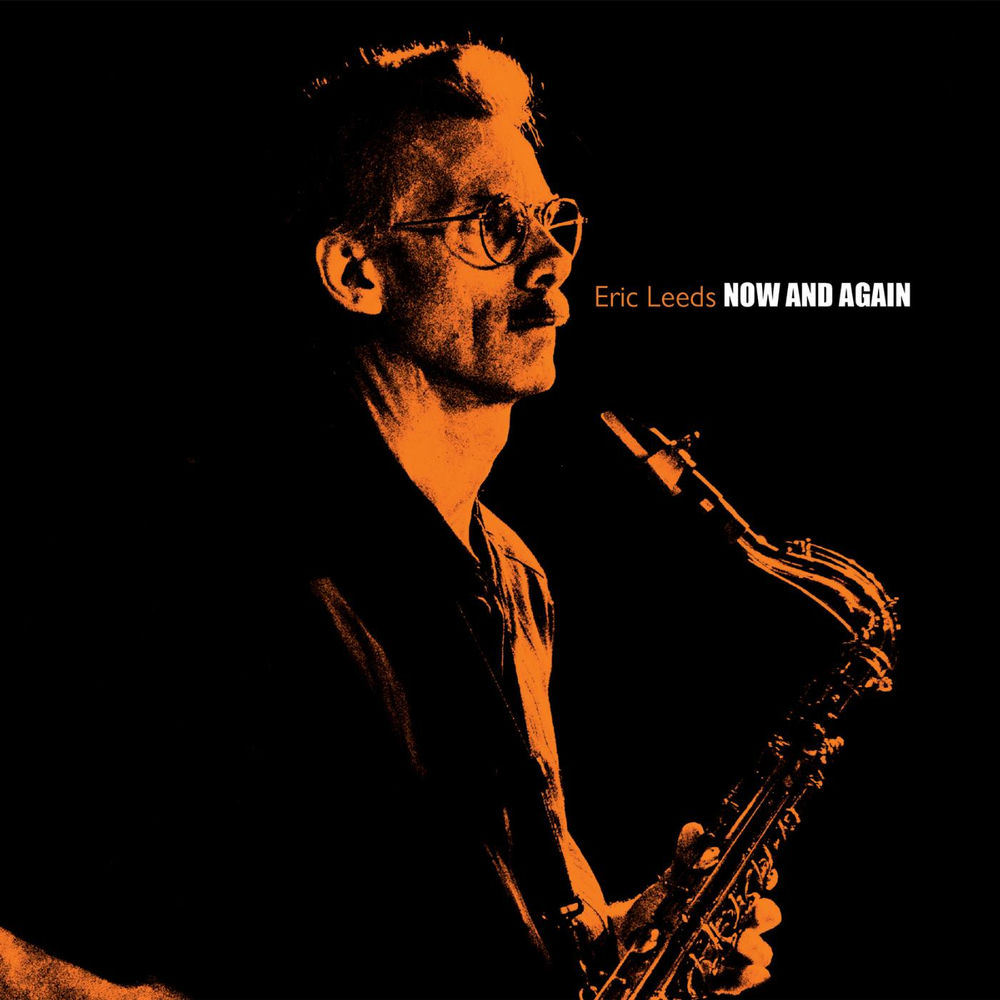

Eric Leeds: The Funk and Jazz Saxophonist of the Minneapolis Sound
Eric Leeds is an American saxophonist and flautist best known for his integral role in Prince's musical revolution during the 1980s. Hailing from Minneapolis, his sophisticated horn arrangements and solos became a defining element on landmark albums like Sign o' the Times and Graffiti Bridge.
Early career
Born in 1952, Eric Leeds began his musical journey studying classical flute before mastering the saxophone. His early professional work in the late 1970s included touring with R&B group Flyte Tyme, which featured future production giants Jimmy Jam and Terry Lewis.
This connection proved pivotal, as Jam and Lewis were core members of The Time, the funk ensemble led by Prince protégé Morris Day. Leeds first entered Prince's orbit by contributing horn arrangements to The Time's 1984 album Ice Cream Castle.
Breakthrough
Eric Leeds's official breakthrough into Prince's world came in 1986. He was prominently featured on the album Parade, contributing the iconic saxophone solo on the hit single Anotherloverholenyohead.
His role expanded rapidly, and he became a full-time member of Prince's touring band and recording collective. Leeds's work was central to the critically acclaimed double album Sign o' the Times in 1987, which reached number 6 on the Billboard 200 and is certified platinum.
Key tracks
Anotherloverholenyohead — This track from Parade marked Eric Leeds's first major saxophone feature on a Prince single, instantly establishing his signature sound within the Paisley Park universe.
Hot Thing — His sultry saxophone lines on this Sign o' the Times cut perfectly underscore the song's jazzy, late-night funk atmosphere.
Willing and Able — From the 1991 Diamonds and Pearls album, this track showcases Leeds's playful flute work, a key texture in the New Power Generation's sound.
Crystal Ball — The sprawling, eight-minute title track from the 1998 compilation allowed Leeds space for extended, exploratory jazz-funk improvisation.
Expanding the Paisley Park sound
Beyond his work with Prince, Eric Leeds was a key architect of the wider Paisley Park Records sound. He co-founded the instrumental funk group Madhouse with Prince, releasing a series of albums including 8 and 16 that showcased their tight, jazz-inflected compositions.
Leeds also contributed to albums by other Paisley Park artists like Sheila E. and Mavis Staples. His musicianship provided a crucial bridge between raw funk, pop melody, and sophisticated jazz, helping to define the eclectic Minneapolis Sound for a global audience.
Artists with a similar blend of virtuosic musicianship and genre fusion include Maceo Parker, whose saxophone work with James Brown and Parliament-Funkadelic shares a similar rhythmic drive. Candy Dulfer brings a comparable energy to her pop-infused funk and jazz saxophone performances. The collaborative spirit of The Revolution mirrors the ensemble work Leeds perfected with Prince. For horn-driven modern funk, explore Lettuce and their high-energy, instrumental approach.
The music of Eric Leeds remains a staple on specialty radio formats, particularly on classic funk and R&B FM stations and dedicated online radio streams focusing on 1980s and 1990s pop. His recordings with Prince are frequently featured on stations celebrating album-oriented rock and legacy artists, ensuring his saxophone and flute work continues to reach new listeners.
You can hear the influential sounds of Eric Leeds on radio stations featured right here on onairium.com. Tune in to discover his essential contributions to funk and jazz through our curated selection of classic rock, alternative, and independent music radio stations.