
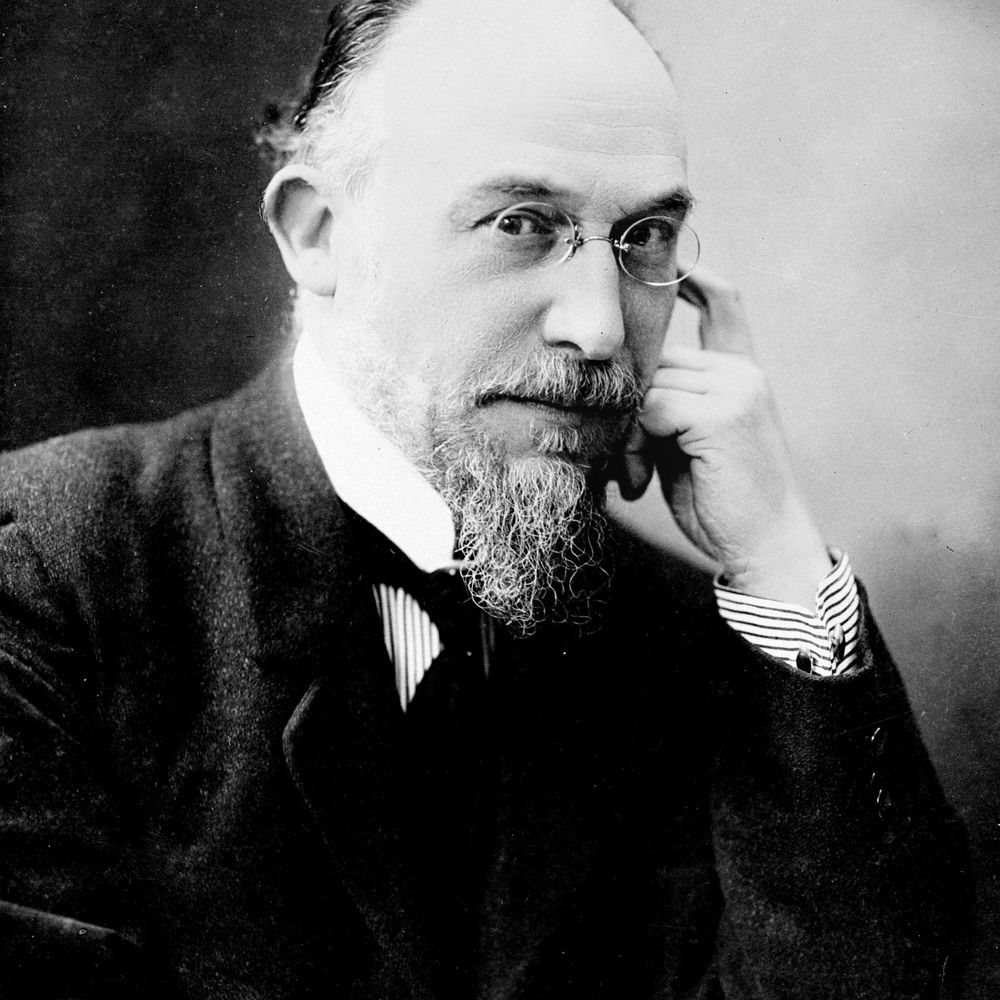
Erik Satie
Listen on radio stations:
Erik Satie: The Visionary of French Minimalist Music
Erik Satie was a French composer and pianist whose avant-garde approach laid foundational stones for modern classical and ambient music. Originating from Honfleur, France, his most enduring achievement is the creation of sparse, evocative piano works that continue to influence musicians across genres.
Early Career
Born in 1866, Erik Satie enrolled at the Paris Conservatoire in 1879 but was an unremarkable student, later finding his voice in the cabarets of Montmartre. His first published compositions, like the 1888 Gymnopédies, introduced a radical simplicity and emotional ambiguity that defied the romantic excesses of his time.
Breakthrough
Satie's work gained wider recognition in the 1910s through associations with figures like Jean Cocteau and his involvement with the ballet Parade in 1917. While not a commercial chart success, this period cemented his reputation as a leader of the French avant-garde, with his concepts of "furniture music" foreshadowing ambient and minimalist genres.
Key Tracks
Gymnopédie No. 1 - This piece is perhaps Satie's most famous work, defining his signature style of melancholic, slowly unfolding melodies.
Gnossienne No. 1 - Part of a set of six, this composition is notable for its free, unmetered rhythm and mysterious, haunting quality.
Je te veux - A rare example of Satie's venture into a more popular, waltz-like style, showcasing his melodic versatility.
Vexations - A short, enigmatic piece intended to be repeated 840 times, it stands as an extreme early precursor to minimalist and conceptual art music.
Later in his career, Satie formed "The Arcueil School" and continued to compose with provocative titles and instructions, influencing the Dada and Surrealist movements. His legacy is not measured in album sales or certifications, but in the profound impact of his ideas on 20th-century music, from classical to film scores and beyond.
Artists exploring similar territories of atmospheric and minimalist piano include Claude Debussy, a fellow French impressionist composer who was both a friend and admirer of Satie's work. The introspective quality of Satie's music can also be found in the works of Arvo Pärt, the Estonian composer known for his tintinnabuli style. For listeners drawn to Satie's avant-garde spirit, the experimental approaches of John Cage offer a compelling continuation of his conceptual challenges to music.