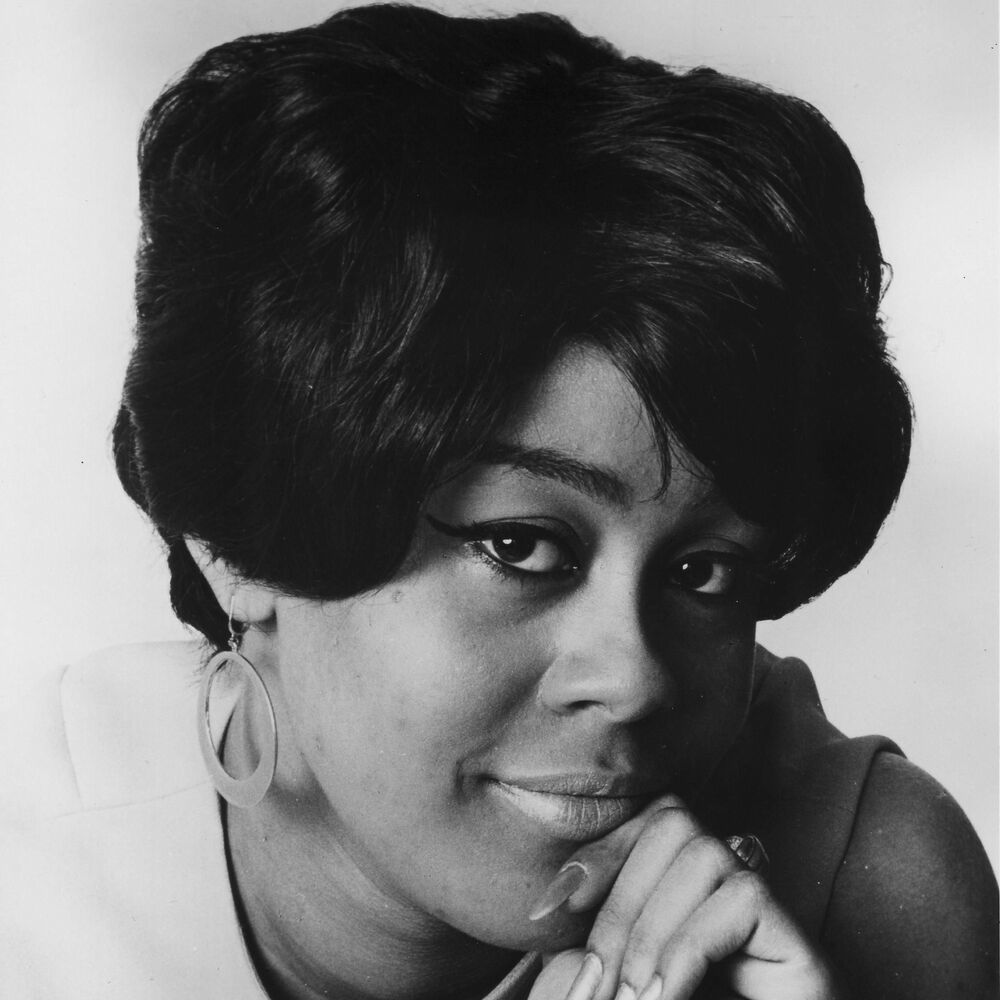

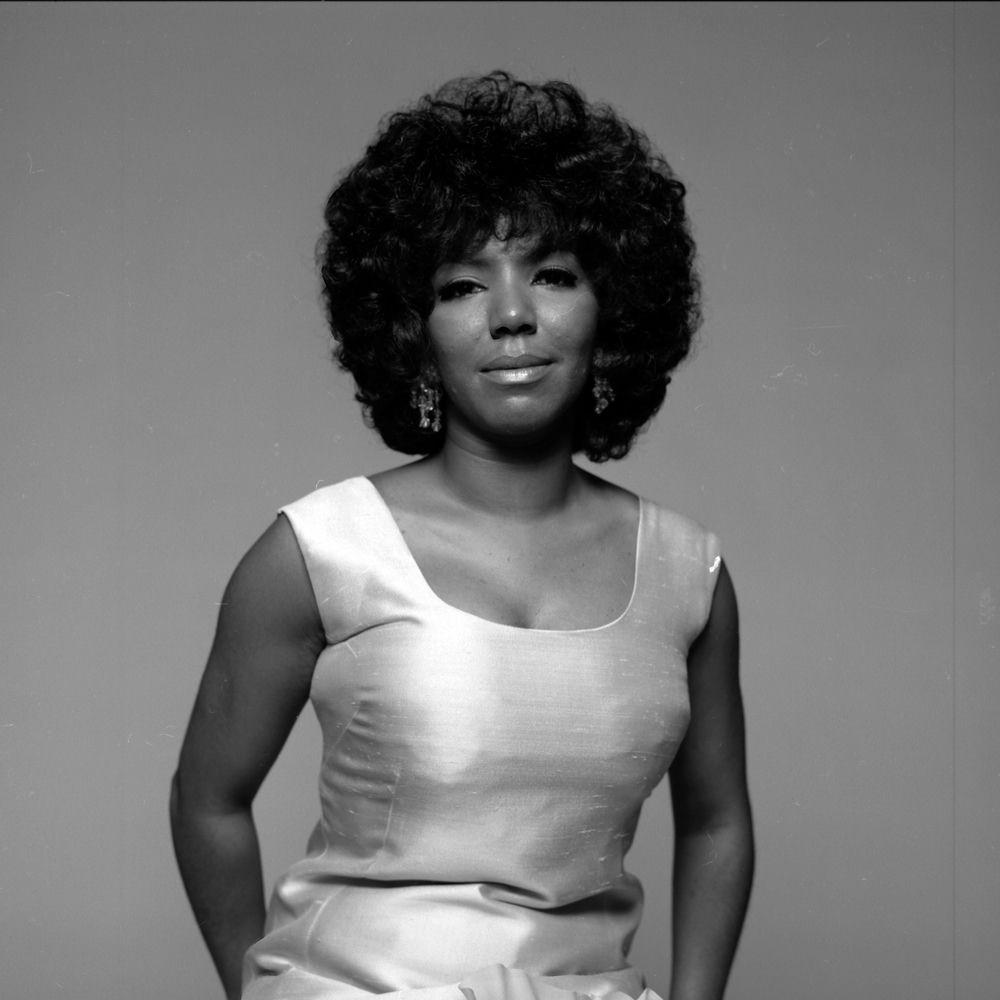
Erma Franklin: The Soulful Voice Behind a Timeless Classic
Erma Franklin was an American soul and gospel singer whose powerful contralto voice carved a distinct path in the 1960s music scene. Hailing from Memphis, Tennessee, her most enduring achievement is the original 1967 recording of (You Make Me Feel Like) A Natural Woman, a song later famously covered by Aretha Franklin.
Early career
Born in 1938, Erma Franklin was the eldest daughter in the famously musical Franklin family. She began singing gospel in her father's Detroit church and formed a vocal group, The Cleo-Patrettes, which recorded for J-V-B Records in 1956.
Her first major solo step came in 1961 when she signed with Epic Records, releasing the single Abracadabra. This early period established her professional footing separate from her siblings, though major commercial success proved elusive at this stage.
Breakthrough
Erma Franklin's breakthrough arrived in 1967 after signing with the Shout label, a subsidiary of Brunswick Records. That year, she recorded the original version of (You Make Me Feel Like) A Natural Woman, written by Carole King, Gerry Goffin, and Jerry Wexler.
While her rendition reached a respectable No. 64 on the Billboard R&B chart, the song's legacy was cemented when her sister Aretha's cover became a monumental hit. Nevertheless, Erma's original recording garnered critical acclaim and solidified her reputation among soul music connoisseurs.
Key tracks
(You Make Me Feel Like) A Natural Woman — This is the original 1967 recording that introduced the soul standard with a deeply resonant and nuanced vocal performance.
Piece of My Heart — Franklin's powerful 1967 cover of the Bert Berns song, released months before Big Brother and the Holding Company's famous version, showcased her raw emotional delivery.
Open Up Your Soul — A vibrant 1968 single on the Shout label that exemplifies her commanding approach to uptempo soul music.
Gotta Find Me a Lover (24 Hours a Day) — This 1969 track highlighted her versatility and continued presence on the R&B charts during the peak of the soul era.
Big Boss Man — Her gritty and blues-infused take on this Jimmy Reed classic demonstrated the depth and power of her contralto range.
Following her time at Shout, Erma Franklin continued to record, including the 1969 album Erma Franklin for Brunswick. She also collaborated with notable artists, providing backing vocals for her sister Aretha and for The Who on their 1972 track Join Together.
Her recording activity slowed in the 1970s, though she remained a respected live performer. Erma Franklin's influence is measured not in chart dominance but in the profound respect she earned from peers and critics for her authentic, gospel-rooted soul sound.
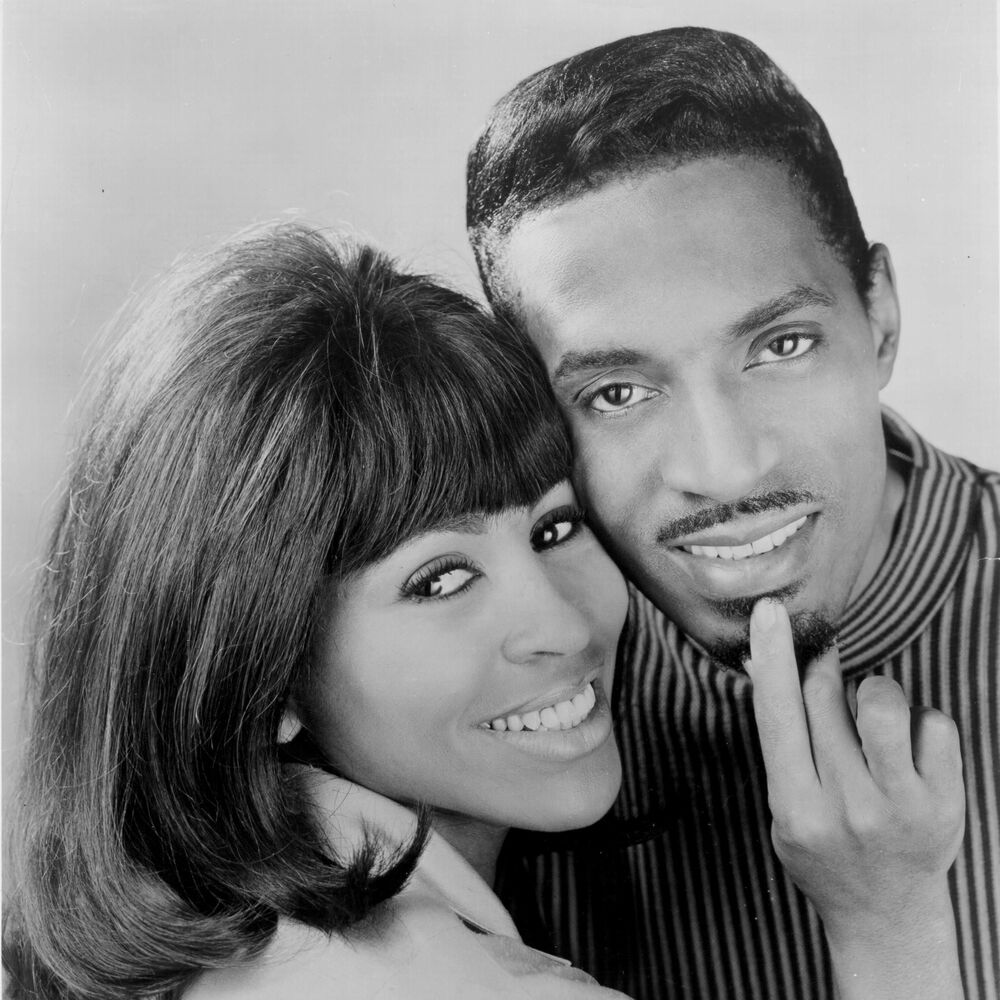
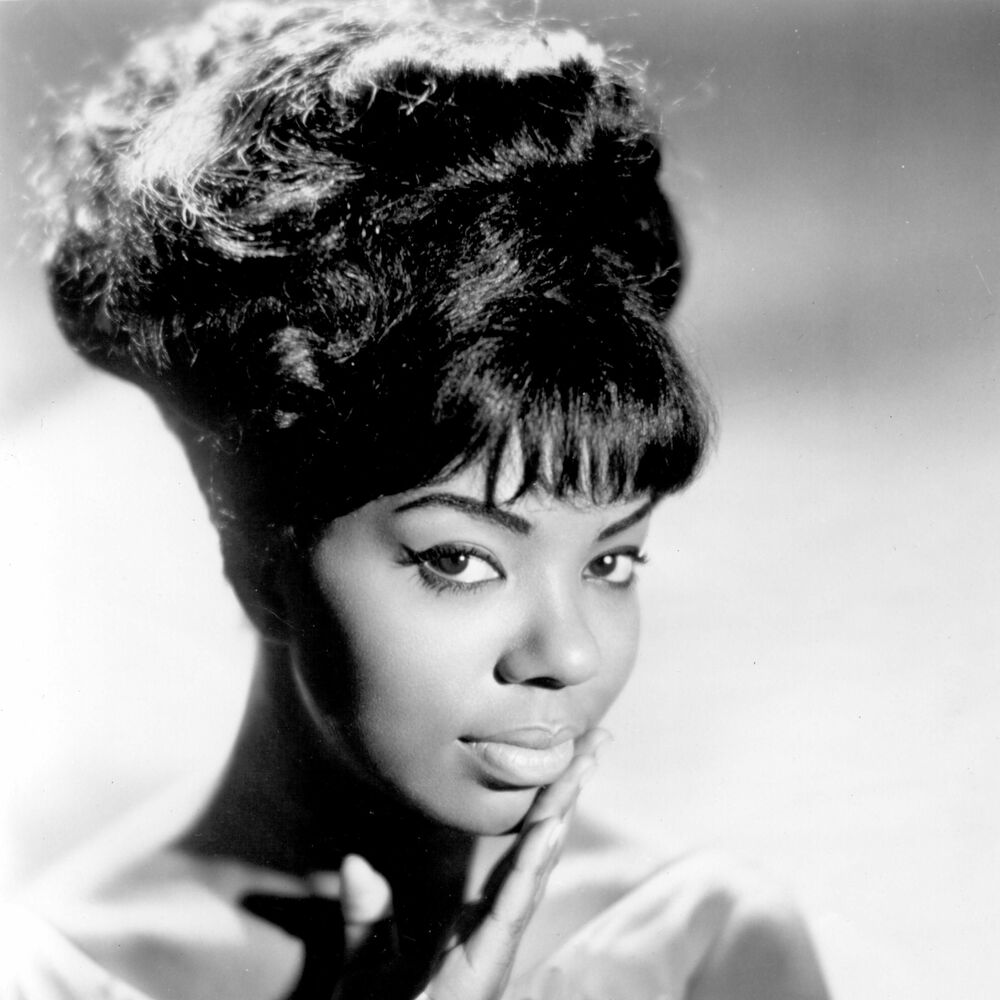
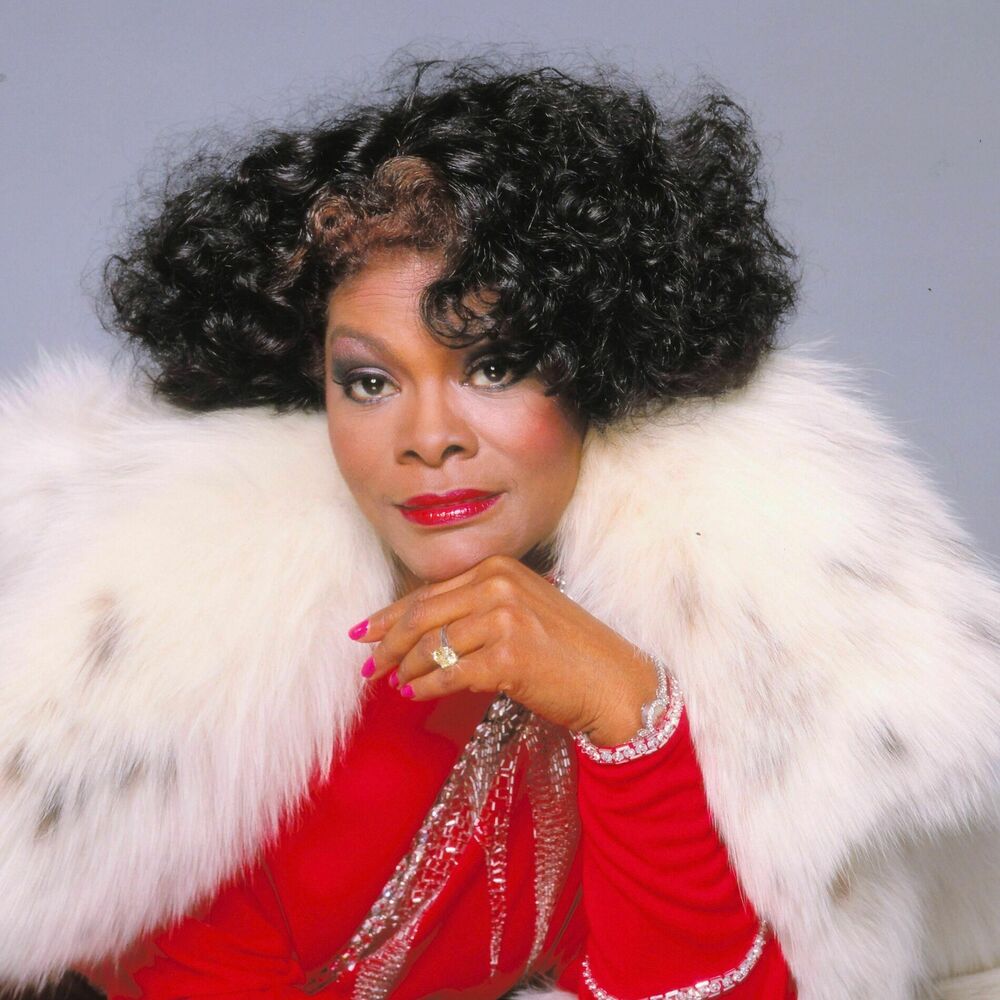
Fans of Erma Franklin's rich gospel-soul style should also explore Aretha Franklin, her sister whose legendary career shared the same foundational roots. The emotive power of Carla Thomas also mirrors the classic Memphis soul feeling. Listeners may appreciate the deep soul delivery of Etta James, another vocalist of immense power. The sophisticated R&B of Maxine Brown represents another key voice from the same era.
Erma Franklin's soul catalog remains a staple on classic soul and oldies FM stations, as well as on dedicated online radio streams that celebrate the golden age of R&B. Her music is regularly featured in programming blocks highlighting influential female vocalists and foundational 1960s hits.
The music of Erma Franklin, an essential American soul singer, continues to resonate on the airwaves. You can discover her powerful voice and timeless recordings by tuning into the classic soul and vintage R&B radio stations featured right here on onairium.com.