Esther Phillips
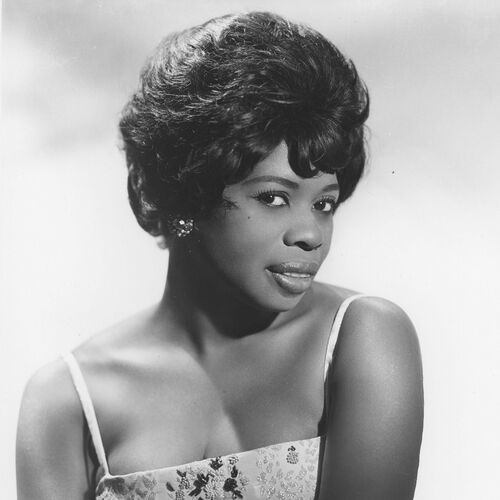
Esther Phillips: The Pioneering Soul and Jazz Vocalist
Esther Phillips was an American singer whose emotionally raw and versatile voice bridged the gaps between rhythm and blues, jazz, and country. Hailing from Galveston, Texas, she scored a major hit with her 1962 cover of "Release Me" and later earned a Grammy nomination for her acclaimed 1975 album What a Diff'rence a Day Makes.
Early career
Born Esther Mae Jones in 1935, she was discovered as a teenager in Los Angeles, winning an amateur talent contest at a local blues club in 1949. This led to her first recording contract with Savoy Records, who renamed her Little Esther, and she quickly scored a series of R&B hits with the Johnny Otis Orchestra, including the number one "Double Crossing Blues" in 1950.
Breakthrough
After a period battling personal struggles, Phillips reignited her career in the early 1960s by signing with Lenox Records. Her sophisticated, adult-oriented rendition of the country ballad "Release Me" in 1962 became a massive pop crossover success, reaching the Top 10 on the Billboard Hot 100 and establishing her as a formidable solo artist beyond the R&B charts.
Key tracks
Release Me — This 1962 crossover smash was her commercial peak, taking a country song to the pop Top 10 and redefining her career.
What a Diff'rence a Day Makes — The title track from her 1975 album showcased her jazzier side and earned her a Grammy Award for Best Female R&B Vocal Performance.
Home Is Where the Hatred Is — Her harrowing, funk-laden 1972 cover of Gil Scott-Heron's song is a powerful testament to her interpretive depth and social consciousness.
And I Love Him — A 1965 Beatles cover that became a signature tune for Phillips, blending soulful yearning with a subtle bossa nova arrangement.
Turn Me Loose — This 1969 track marked her successful move to Atlantic Records' subsidiary, Roulette, and her embrace of a more contemporary soul sound.
Phillips continued to record prolifically through the 1970s for labels like Kudu and Mercury, collaborating with jazz-funk luminaries like CTI Records producer Creed Taylor. Her 1975 album What a Diff'rence a Day Makes was a critical and commercial highlight, winning a Grammy and solidifying her status as a versatile interpreter. Despite ongoing health challenges, she performed until her untimely death from liver and kidney failure in 1984 at age 48.
Fans of Esther Phillips's blend of soulful blues and jazz sophistication should explore Etta James, who shared a similarly powerful and emotionally direct vocal style. The genre-defying soul of Nina Simone also resonates with Phillips's eclectic musical approach. For the deep R&B roots of her early work, listen to Ruth Brown. The country-soul fusion she mastered can also be heard in the work of Joe Simon.
Esther Phillips's rich catalog remains a staple on classic soul, jazz, and blues radio stations featured on this website. Her timeless recordings are regularly featured on independent music radio stations and online radio streams dedicated to America's musical heritage.
The music of soul and jazz artist Esther Phillips can be heard on radio stations featured on our website. Listeners can discover her powerful discography through the classic soul and jazz radio stations available on onairium.com.