Fabrizio de Andre'
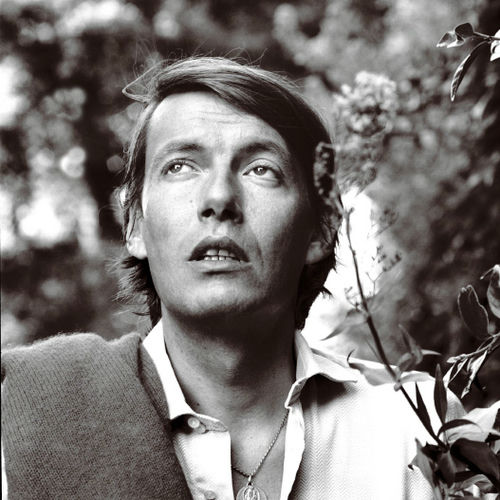
Fabrizio De André: The Poet of Italian Folk and Protest Song
Fabrizio De André was an Italian singer-songwriter and poet whose profound lyrics and folk-inspired compositions made him one of Italy's most revered musical figures. Hailing from Genoa, his album sales have reached multi-platinum status in Italy, with several of his records considered timeless classics that continue to influence generations.
Early career
Born in Genoa in 1940, Fabrizio De André began his musical journey in the late 1950s, performing in local clubs. His first single, "La Canzone di Marinella," was released in 1962, but his early work gained significant traction through the influential Italian label Bluebell Records.
Breakthrough
De André's major breakthrough arrived in 1968 with the release of his debut album, Volume I. However, it was the 1971 concept album Non al denaro non all'amore né al cielo, inspired by Edgar Lee Masters' "Spoon River Anthology," that cemented his status as a master storyteller and critical darling, achieving gold certification and enduring popularity.
Key tracks
La Canzone di Marinella — This early ballad became a hit for Mina in 1968, bringing De André's songwriting to a massive national audience for the first time.
Via del Campo — A quintessential example of his empathetic portraits of society's marginalized, set in a Genoese alley and later covered by numerous artists.
La Guerra di Piero — An iconic anti-war ballad from his debut album that remains a staple of Italian popular music and a definitive protest song.
Creuza de mä — The title track from his groundbreaking 1984 album sung entirely in the Genoese dialect, a bold and influential artistic move.
Following these key works, De André continued to evolve, collaborating with PFM on the celebrated 1974 album Canzoni. His 1981 album with former PFM member Franz Di Cioccio, Fabrizio De André, also known as "L'Indiano," went platinum. His final studio album, Anime Salve (1996), debuted at number one on the Italian charts, proving his lasting relevance.
Artists exploring similar territories of poetic, socially-conscious Italian songwriting include Francesco De Gregori, a fellow pillar of Italian cantautori known for his literary lyrics. Francesco Guccini shares De André's narrative depth and focus on storytelling within the folk genre. The music of Lucio Dalla blends a similar poetic sensibility with more eclectic and jazz-influenced arrangements.
Fabrizio De André's rich catalog is a fixture on Italian-focused radio stations, from dedicated singer-songwriter channels to classic hits FM stations. His music holds a permanent place in the rotation of online radio streams specializing in timeless European folk and poetic rock.
Listeners can explore the enduring legacy of Fabrizio De André's Italian folk and protest songs through the radio stations featured on onairium.com, where his poetic narratives and melodies continue to resonate on the airwaves.